For shooters, hunters, and range enthusiasts, protecting your hearing is non-negotiable. But the best hearing protection does more than just block loud noises; it enhances your situational awareness, allowing you to hear range commands and environmental sounds with clarity. Modern electronic earmuffs achieve this balance, making them an essential piece of gear for safety and performance.
With so many options on the market, choosing the right pair can be challenging. Factors like Noise Reduction Rating (NRR), sound amplification quality, comfort, and additional features like Bluetooth connectivity all play a role. This roundup highlights nine of the top-rated shooting earmuffs available, designed to suit a variety of needs and preferences.
Our Top Picks for Shooting Earmuffs
- Walker’s Razor Slim Electronic Muff
- WALKER’S Single Mic Compact Folding Muff
- WALKER’S Razor Electronic Quad Muff w/ Bluetooth
- Peltor Sport Tactical 500 Bluetooth Hearing Protection
- Sordin Pro-X Ear Muffs with Neckband
- Howard Leight Impact Sport Electronic Shooting Earmuff
- Professional Safety Ear Muffs by Decibel Defense
- Pro For Sho 34 NRR Shooting Ear Protection
- Caldwell E-Max Low Profile Electronic Earmuffs
Walker’s Razor Slim Electronic Muff

The Walker’s Razor Slim is a popular choice for its balance of protection and low-profile design. Its extra slim ear cups provide a secure fit without interfering with your firearm stock, while the sound-dampening composite housing and rubberized coating offer durable protection for the internal electronics.
These muffs feature sound amplification through two hi-gain microphones, providing clear omnidirectional hearing. They enhance low-end frequencies to produce a natural soundscape, allowing you to hear range commands and environmental sounds clearly while instantly compressing harmful noise from gunshots.
WALKER’S Single Mic Compact Folding Muff

This model from Walker’s focuses on simplicity and portability. Its compact, folding design makes it easy to store in a range bag, and it comes with batteries included for immediate use. The sound-activated compression reacts in a split-second to loud impulses, providing reliable hearing protection.
Equipped with a single Hi-Gain omnidirectional microphone and high-definition speakers, it amplifies crucial sounds for enhanced awareness during shooting or hunting. The soft-touch controls are simple to operate silently, ensuring your focus remains on your activity.
WALKER’S Razor Electronic Quad Muff w/ Bluetooth

For superior sound capture, the Razor Quad Muff utilizes four omnidirectional microphones for 360-degree audio awareness. This setup provides a more immersive and accurate representation of your surroundings, which can be a significant advantage in dynamic shooting situations.
A key feature is the integrated Bluetooth connectivity, allowing you to stream audio from a phone or take calls. You can adjust the ambient sound volume independently from your Bluetooth audio. With a 23dB NRR and frequency tuning for natural clarity, it offers dynamic protection and modern convenience.
Peltor Sport Tactical 500 Bluetooth Hearing Protection

From the trusted 3M Peltor brand, the Sport Tactical 500 offers a high 25 dB Noise Reduction Rating for optimal protection. Its advanced electronics are designed to measure the energy in loud impulses like gunshots and dynamically adjust the suppression time to reduce echoes, providing a more comfortable shooting experience.
These muffs enhance situational awareness with Clear Voice Tracking technology, which filters out background and wind noise while amplifying low-level sounds and preserving voice frequencies. The recessed microphones further help minimize wind interference, and Bluetooth connectivity adds versatility for audio streaming.
Sordin Pro-X Ear Muffs with Neckband
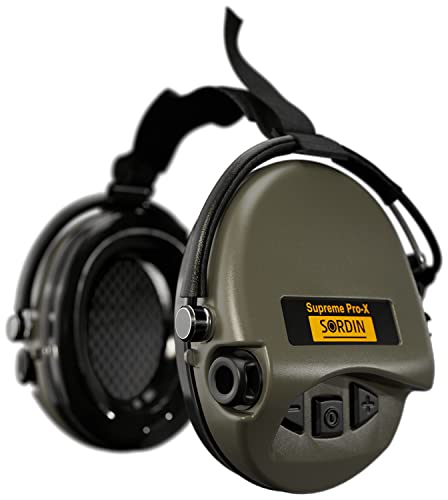
The Sordin Pro-X series is renowned in professional circles for its robust performance. This neckband version is ideal for use with helmets or hats, offering great flexibility. It features waterproof electronics for increased durability in various weather conditions.
A standout feature is the four selectable sound modes: hunting, focus, shooting, and communication. This allows you to tailor the audio profile to your specific activity. With a 1:4 noise amplification ratio, it provides excellent clarity for soft sounds while delivering strong attenuation for loud noises.
Howard Leight Impact Sport Electronic Shooting Earmuff

A long-time favorite for value and performance, the Howard Leight Impact Sport offers reliable electronic protection with a 22 NRR. Its sound amplification is rated at 4x, specifically enhancing low-level frequencies to help you hear conversations and range commands clearly.
The design prioritizes a low profile and stock clearance with Air Flow Control Technology. It includes two omni-directional microphones for sound source identification and a compact, folding design for easy storage. The padded, adjustable headband is built for comfort during extended wear.
Professional Safety Ear Muffs by Decibel Defense
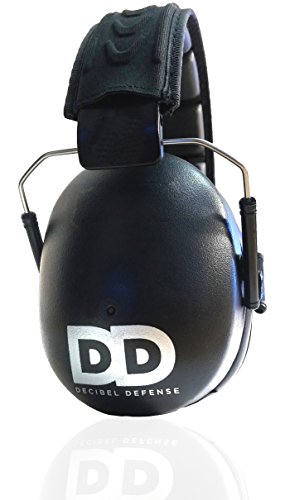
If your primary need is maximum passive noise reduction, these earmuffs from Decibel Defense boast an impressive NRR of 37 dB. This industry-leading rating makes them suitable for the loudest environments, including industrial settings and high-caliber shooting.
They are designed for comfort with a padded headband and fully adjustable ear cups to fit a wide range of head sizes. The foldable design enhances portability. The company emphasizes a satisfaction guarantee and offers sizing advice to ensure a proper, comfortable fit for both adults and children.
Pro For Sho 34 NRR Shooting Ear Protection
This product is positioned as a high-protection option with a 34 Noise Reduction Rating. It is built for shooters who require substantial passive attenuation without electronic amplification, focusing on creating a quiet, protected hearing environment.
Details highlight its design for shooting sports, suggesting features aimed at durability and a secure fit appropriate for active use. As a passive muff, it offers simplicity and reliability, often at a accessible price point for those seeking strong protection above all else.
Caldwell E-Max Low Profile Electronic Earmuffs
The Caldwell E-Max series is known for providing quality electronic hearing protection with a value-focused approach. The low-profile design helps ensure compatibility with rifle stocks, a common concern for shooters.
These electronic muffs amplify ambient sounds to enhance awareness while providing instant protection from loud impulses. They typically feature adjustable volume controls and are powered by standard batteries, making them a straightforward and effective choice for regular range use.
How to Choose the Best Shooting Earmuffs 2025
Picking the right pair of shooting earmuffs isn’t just about grabbing the first pair you see. I’ve learned that getting it wrong means a day of discomfort and, more importantly, inadequate protection. Let me walk you through what I always look for so you can find your perfect match.
First and foremost, the Noise Reduction Rating (NRR) is king. This number, measured in decibels (dB), tells you how much outside sound the muffs can block. For most shooting, I recommend looking for an NRR of at least 25 dB. If you’re often around very loud firearms or on an indoor range, aim for 30 dB or higher. Remember, electronic muffs will list two ratings: one for passive protection (when they’re just muffling) and one for the amplified sound when they’re on. Both are important.
Next, consider electronic features. Do you want to hear range commands and normal conversation? Then electronic muffs are a must. Check the directionality of the microphones—good ones pick up sound from in front of you and suppress noise from the sides and rear. Also, pay attention to the compression speed. This is how fast the muffs react to a loud noise like a gunshot. Faster compression means less of that sharp “crack” reaches your ears. Look for a rating under 5 milliseconds for the best performance.
Comfort is what makes you keep wearing them. I always check the headband. A padded, self-adjusting band is great for a quick, secure fit. If you wear a hat or glasses, look for muffs with deep ear cups that won’t break the seal. The weight matters, too; lighter muffs (around 10-12 ounces) are less tiring during long sessions. Finally, think about your use case. Will you use them with a rifle? Low-profile cups prevent stock interference. Need to connect to a radio or phone? Make sure they have an audio input jack or Bluetooth.
FAQ
What’s the difference between passive and electronic shooting earmuffs?
Passive muffs are simple; they use the foam and seal of the ear cup to block all sound. They’re reliable and often have a higher NRR for the price. Electronic muffs use external microphones to pick up ambient sounds, amplify quiet noises (like conversation), and instantly shut off when a loud impulse sound is detected. This allows for normal hearing protection while still protecting you from gunshots. For most modern shooters, electronic muffs are the preferred choice.
Can I wear earplugs under my earmuffs?
Absolutely, and for certain situations, I highly recommend it. This practice, called “doubling up,” is common for indoor ranges, with large-caliber rifles, or during competitive shooting. It adds an extra layer of protection. Just make sure your over-ear muffs are large enough to fit comfortably over the plugs without breaking the seal. Some of the best shooting earmuffs 2025 models are designed with this in mind and have a slimmer profile.
How do I know if my earmuffs fit properly?
A proper fit is critical for safety. The ear cups should seal completely around your ears without pressing too hard on your glasses frames or head. The headband should feel snug but not create a headache. You can do a simple test: put the muffs on in a quiet room and cup your hands over them. If you hear a significant change (like a “rushing” sound gets quieter), the seal likely isn’t perfect and you should adjust them.
How long do the batteries last in electronic muffs?
Battery life varies a lot by model and usage. Basic electronic muffs might get 300-500 hours on a pair of AAA batteries. More advanced models with Bluetooth and multiple microphones may have shorter life, around 40-60 hours. I always keep a spare set of batteries in my range bag. A good feature to look for is an auto-shutoff, which helps conserve power when the muffs aren’t in use.
Are more expensive shooting earmuffs always better?
Not always, but usually. A higher price often gets you better build quality, more comfortable materials, faster electronics, and clearer sound amplification. However, there are excellent value options that offer solid protection and core features for casual shooters. I think it’s best to match the muffs to your specific needs and frequency of use, rather than just looking at the price tag alone.