Starting your turkey hunting journey is exciting, but the array of calls available can be overwhelming. The right call can make the difference between a quiet morning and a successful hunt. For beginners, finding a call that is easy to use, reliable, and produces realistic sounds is the most important step. This roundup focuses on tools that help new hunters build confidence and skill without unnecessary complexity.
We have selected eight top-rated turkey calls known for their beginner-friendly design. From classic box calls to versatile mouth diaphragms, each product offers a straightforward path to learning essential turkey sounds. These calls are praised for their quality construction and ability to produce authentic yelps, clucks, and purrs that attract gobblers effectively.
Our Top Picks for Beginner Turkey Calls
- Primos Hunting 272 Friction Call Starter Pack
- Lynch Fool Proof Turkey Box Call
- ESH Turkey Mouth Calls 3-Pack – Realistic Diaphragm Calls
- Zink Calls Power Hen-1 Polycarbonate Single Reed Call
- Lynch World Champion Turkey Box Call
- Pete Rickard’s Scotch The Mohawk Turkey Mouth Call
- Primos Hunting The Original Lil’ Deuce Friction Call
- Woodhaven Custom Calls Cherry Classic Mouth Call
Primos Hunting 272 Friction Call Starter Pack

This comprehensive starter pack is an excellent choice for a beginner looking to try multiple call types. It includes a double-sided box call, a slate pot call with a sonic dome, a slim striker, and even a diaphragm call conditioning kit. Having several options in one package allows you to practice with different sounds and find which style works best for you without a large initial investment.
The sonic dome technology on the slate pot call is designed to project sound further, which is a significant benefit in the field. The carrying case keeps everything organized and protected, making it simple to transport your gear. This all-in-one approach provides a practical foundation for learning the basics of turkey calling.
Lynch Fool Proof Turkey Box Call

The Lynch Fool Proof Box Call lives up to its name by being remarkably simple to operate. Its design requires minimal technique to produce realistic hen yelps, making it a favorite for those new to turkey hunting. The offset pivoting lid and automatic stop ensure consistent sound with every stroke, removing much of the guesswork for a first-time user.
Constructed from solid straight-grain mahogany and walnut, this call offers the authentic tone that plastic calls often lack. It is hand-tuned and tested, providing a level of quality that beginners can trust. This call is a classic tool that focuses on reliability and ease of use above all else.
ESH Turkey Mouth Calls 3-Pack

For beginners ready to try diaphragm calls, this three-pack from ESH offers great value and variety. The set includes three different three-reed calls—True Hype, React, and Long Spur—each with a distinct cut designed for specific sounds like yelps, clucks, and purrs. This allows you to experiment and learn which reed configuration suits your calling style.
These calls are engineered to produce realistic sounds with minimal air pressure, which makes them more user-friendly for those still developing their technique. Being hand-assembled and tested, they provide consistent performance. A multi-pack is ideal for practice, as it offers backups and different sound options.
Zink Calls Power Hen-1 Polycarbonate Call

The Zink Power Hen-1 is a durable polycarbonate call known for its versatility and range. Its single-reed design is often recommended for beginners because it is easier to control and master than double-reed calls, while still offering a wide spectrum of realistic tones. The tough construction can handle the rigors of learning and field use.
It features Zink’s innovative Z-cut, no-stick tone channel, which helps prevent reed lock—a common frustration for new callers. This design allows for smooth operation and reliable sound production. This call is a solid, straightforward option for building foundational calling skills.
Lynch World Champion Turkey Box Call
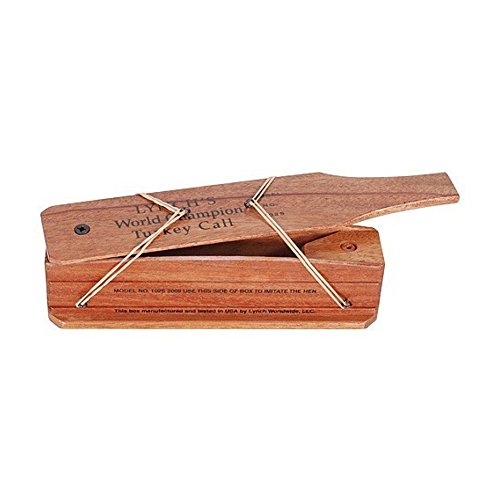
The Lynch World Champion is another expertly crafted box call made with straight-grain mahogany. Its reputation is built on producing exceptionally realistic turkey sounds that are highly effective in the field. For a beginner, using a call of this quality means you are learning with a tool that delivers authentic results, building your confidence.
Handmade in the USA and hand-tuned, this call represents traditional call-making quality. The rich, resonant tones it produces are difficult to achieve with lower-quality materials. It is a call that a hunter can start with and continue to use for many seasons as their skills progress.
Pete Rickard’s Scotch The Mohawk Turkey Mouth Call

This single-reed diaphragm call from Pete Rickard’s is a straightforward and effective choice for beginners. The single reed design is typically easier to use and control when first learning mouth call technique, allowing you to focus on breath control and tongue placement without overcomplication.
It is made in the United States, reflecting a commitment to quality craftsmanship. A reliable single-reed call like this is a fundamental tool for any turkey hunter’s kit, providing a clear path to mastering basic hen sounds before moving on to more advanced multi-reed calls.
Primos Hunting The Original Lil’ Deuce Friction Call
The Primos Lil’ Deuce is a popular double-sided friction call, offering both a slate surface and a glass surface on one compact unit. This gives you two distinct sound profiles from one call, adding versatility to your setup. The smaller size is comfortable to hold and operate, which is helpful for new hunters.
Friction calls like the Lil’ Deuce are excellent for learning because they allow you to create a variety of sounds, from soft clucks to loud cutts, by adjusting pressure and stroke. It’s a durable and proven design that many hunters have used successfully for years.
Woodhaven Custom Calls Cherry Classic Mouth Call
Woodhaven’s Cherry Classic is a three-reed mouth call known for its clear, high-quality sound. While multi-reed calls can have a learning curve, starting with a well-made call from a respected manufacturer can be advantageous. The three-reed design provides a full, realistic tone that is very effective.
This call is crafted with attention to detail, ensuring consistent performance. For a dedicated beginner willing to practice, a call of this caliber can accelerate skill development. It represents a step into the world of premium diaphragm calls.
Buying Guide: What to Look For in Your First Turkey Call
When I first started turkey hunting, the sheer number of calls was overwhelming. Box calls, slate calls, diaphragm calls, locator calls… where do you even begin? The trick is to not overcomplicate it. For a beginner, the goal isn’t to sound like a world champion caller on day one. It’s to find a tool that’s easy to learn, reliable, and gives you the confidence to get out in the woods. Let’s break down the main types you’ll encounter and what makes a good one for a new hunter.
First, consider ease of use. This is the most important factor. A call that’s frustrating to operate will just end up in your vest, unused. For most, a friction call like a pot-and-peg (slate, glass, or crystal surface) or a box call is the best starting point. With a pot call, you just need to learn the right pressure and motion with the striker. A box call is even more straightforward—a simple push-pull motion creates realistic yelps and clucks. These calls let you produce good sounds quickly, which builds your morale.
Next, think about versatility and sound quality. A good beginner call should be able to make the fundamental turkey vocabulary: the yelp, the cluck, and the purr. You don’t need a call that can do every exotic sound in the book. Look for calls known for being “forgiving” or having a “sweet spot.” Many modern pot calls are designed to be less finicky about striker angle. Read reviews or ask experienced hunters; they’ll often point you to models known for consistent, realistic tones right out of the box.
Finally, don’t forget durability and maintenance. Your first call will get banged around. A pot call with a wooden or slate surface might be more susceptible to moisture than a synthetic surface. A box call can swell in humidity. Knowing a little about how to care for your call—like sanding a slate surface or chalkin’ a striker—will keep it sounding its best. My advice? Start with one or two simple, well-reviewed calls. Master the basics on those before you even think about adding more to your collection. The right beginner call is the one you’ll actually practice with and take into the field.
FAQ
What is the most forgiving type of turkey call for a beginner?
In my experience, a good box call or a pot-style friction call with a slate surface is often the most forgiving. A box call is fantastic because the motion is simple and it almost always produces a clear, realistic yelp. For pot calls, slate is a classic choice for beginners because it’s less sensitive to striker angle than glass or crystal. It gives you a wider “sweet spot” to hit a good sound. Both of these types allow you to focus on learning rhythm and cadence without fighting the call itself.
How many different calls should a beginner start with?
I strongly recommend starting with just one or two. Getting overwhelmed is easy. Pick one primary call, like a box or pot call, to learn your basic hen yelps and clucks. Then, maybe add a simple push-button call, which is great for soft tree calls and purring. The goal is to become proficient and confident with a couple of tools, not to be mediocre with a dozen. Mastering the fundamentals on one call will make learning others much easier later on.
Is a mouth (diaphragm) call a bad choice for someone just starting out?
Not necessarily bad, but it has a steep learning curve. Diaphragm calls require tongue placement, air control, and can make you gag at first. They’re incredibly hands-free, which is a huge advantage. If you’re determined, get a multi-reed beginner diaphragm call from a reputable brand and practice while driving or doing chores. But be prepared for frustration. Most hunters have more immediate success and build confidence faster with a friction or box call.
How important is practicing with my turkey call before the season?
It’s everything. Practicing isn’t just about making the sound; it’s about building muscle memory so you can make the right sound under pressure. A tom is coming in, your hands are shaking—you need to rely on that practiced motion. Start by just making consistent, clear notes. Then, listen to real turkey sounds online and try to mimic the rhythms. Practice a little every day for weeks before the season opens. The difference between a practiced caller and an unpracticed one in the woods is massive.
What’s a common mistake beginners make when calling turkeys?
The number one mistake is calling too much and too loudly. It’s called “turkey hunting,” not “turkey calling.” We get excited and want to keep talking to the bird. In reality, less is often more. A few soft, confident yelps followed by long periods of quiet waiting is usually more effective than constant, aggressive calling. Your call is just to get a tom’s attention and pique his interest. Let his natural instincts do the rest. Patience is the best call in your arsenal.