Choosing the right predator call can be the difference between a quiet stand and a successful hunt. Coyotes are intelligent and wary, making realistic, versatile calling crucial for bringing them into range. Whether you prefer the convenience of an electronic caller or the hands-on control of a mouth call, having the right tool for the job is essential.
This roundup covers a spectrum of top-rated predator calls, from advanced programmable systems to simple and effective manual options. We’ve analyzed features like sound quality, range, portability, and ease of use to help you find the perfect call for your hunting style and budget. Read on to find the best caller to add to your gear.
Our Top Picks for Coyote Predator Calls
- FOXPRO X24 Electronic Predator Call
- Flextone Double Up Predator Combo Game Calls
- Icotec Model 300 Predator Caller
- FOXPRO Prowler Electronic Predator Call
- Cass Creek Ergo Electronic Predator Call
- Haydel’s DR-85 Mallard Duck Call for Hunting
- Primos Randy Anderson Lil’ Dog Predator Call
- Primos Hunting Dogg Catcher 2 Electronic Call
- Primos Hunting Alpha Dogg Electronic Call
FOXPRO X24 Electronic Predator Call

The FOXPRO X24 represents the high end of electronic calling with professional-grade features. It comes loaded with 100 high-quality sounds and provides access to over 100 more from FOXPRO’s free library, offering incredible variety for any hunting scenario. Its FOXMOTION technology mimics moving prey by fading sound between speakers, adding a layer of realism that can fool cautious predators.
Beyond calling, this unit acts as a hunting computer with its FOXDATA feature. It records real-time stand data like temperature, barometric pressure, and moon phase. Over time, this information helps you identify patterns and predict animal activity based on hard data, making you a more effective hunter.
Flextone Double Up Predator Combo Game Calls

For hunters who prefer mouth calls, the Flextone Double-Up Combo provides two essential tools in one package. The set includes a Coyote Rage call for howls, yips, and barks, and a Dying Rabbit call for distress sounds. The flexible, easy-to-blow design requires less hand movement for realistic sounds, which is a significant advantage when trying to remain still.
The Coyote Rage features a unique tone bulb for added vocal realism, while the Dying Rabbit uses a simple squeeze of the exhaust bell to control volume. This combo is an excellent, budget-friendly way to cover the primary calling strategies for coyotes and foxes.
Icotec Model 300 Predator Caller

The Icotec Model 300 stands out with its impressive 300-yard remote range, allowing you to place the call far from your position and operate it while completely hidden. This extended range is a major benefit when hunting in open country or for particularly wary animals that might circle downwind of the sound source.
It utilizes new high-fidelity sound technology for clear, convincing audio and has the capability to play multiple sounds at the same time. This function lets you create complex, overlapping soundscapes, such as a rabbit distress with occasional coyote pup yips, which can be incredibly effective.
FOXPRO Prowler Electronic Predator Call

The FOXPRO Prowler is a robust, American-made electronic call that balances performance with value. It includes 75 premium FOXPRO sounds and can store up to 300 via its mini-USB port, plus access to the extensive free online library. This makes it a highly versatile system for calling a wide range of predators and pests.
Its remote features a comfort-grip design with a large backlit LCD screen and glow-in-the-dark buttons for easy operation in low light. As a product from the industry leader, the Prowler offers proven reliability and user-friendly programming in a portable package.
Cass Creek Ergo Electronic Predator Call

The Cass Creek Ergo is designed for simplicity and portability. Its ergonomic grip fits comfortably in one hand, with a thumb dial for volume control and an easy on/off switch. This straightforward design means you can focus on the hunt rather than managing a complicated device.
It features five digitally remastered, essential calls: Coyote Howl, Cottontail Rabbit, Jackrabbit Distress, Pup Yips, and Fawn Distress. Compact and lightweight, it easily fits in a pocket and includes a lanyard loop. It’s an ideal entry-level electronic call or a reliable backup for any hunter.
Haydel’s DR-85 Mallard Duck Call for Hunting

While primarily a duck call, the legendary Haydel’s DR-85 “The Deceiver” is a secret weapon for many predator hunters. Its realistic, convincing duck sounds are perfect for hunting coyotes near water sources or in areas where waterfowl are common prey. The sound of a distressed duck can be an irresistible draw for a opportunistic coyote.
This double-reed call features a fully adjustable floating wedge, allowing you to personally tune it. It’s known for being very easy to blow, making it effective for both beginners and professional callers, even in wet conditions.
Primos Randy Anderson Lil’ Dog Predator Call
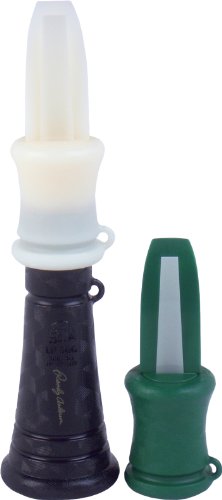
The Primos Lil’ Dog is a compact and effective mouth call designed with input from expert caller Randy Anderson. It is great for producing coyote howls, as well as sounds for foxes and bobcats. Its small size makes it easy to carry and use quickly.
This call includes two interchangeable mouthpieces: a green one for close-in, subtle calling and a white one for projecting sound over longer distances. This versatility allows you to adapt your calling strategy based on terrain and how the animals are responding.
Primos Hunting Dogg Catcher 2 Electronic Call

The Primos Dogg Catcher 2 is a compact and affordable electronic caller designed for effectiveness and ease of use. It comes pre-loaded with 12 proven Randy Anderson sounds tailored for calling bobcats, fox, and coyotes. The included remote operates up to 100 yards away, giving you good separation from the sound source.
A key feature is its ability to play two sounds simultaneously, allowing you to create more dynamic and convincing calling sequences. This unit packs useful functionality into a simple, value-oriented package perfect for hunters new to electronic calling.
Primos Hunting Alpha Dogg Electronic Call
The Primos Alpha Dogg is designed as a capable and user-friendly electronic predator call. It provides hunters with a reliable tool to broadcast a variety of distress and predator vocalizations. These calls are engineered to attract coyotes and other predators by replicating authentic sounds found in nature.
While specific features for this model are not listed in our provided data, Primos is a trusted name in hunting calls. Products like the Alpha Dogg typically focus on delivering clear sound, straightforward controls, and portability, making them a solid choice for consistent performance in the field.
What to Look For in the Best Predator Calls for Coyotes
Choosing the right gear can make or break your hunt, and when it comes to calling coyotes, your call is your most important tool. I’ve spent a lot of time in the field testing different calls, and I’ve learned that the “best” one depends heavily on your situation and skill level. Let’s break down what you should consider before picking one of the 9 best predator calls for coyotes.
First, think about the type of call. Electronic calls are incredibly popular for a reason. They offer a huge library of sounds, from distressed rabbit cries to coyote howls, and they can project that sound a long way. They’re great for beginners because you can hit play and focus on your setup and shooting. The downside is they’re another piece of electronics to manage, with batteries and speakers. On the other hand, mouth calls (or hand calls) are simple, reliable, and give you total control. You can change the pitch, volume, and sequence on the fly, which is a huge advantage when a coyote is hanging up just out of range. They take practice to master, but many experienced hunters swear by them.
Next, consider volume and sound quality. You need a call that can be heard clearly at several hundred yards, especially in windy or dense cover. A tinny, weak speaker won’t cut it. Look for calls with good, clear speakers and the ability to adjust volume smoothly. For mouth calls, it’s about your lung power and the call’s design. Durability is non-negotiable. You’re going to be in the elements—cold, dust, rain. Your call needs to withstand that. A good electronic call should have a sturdy, weather-resistant case. Mouth calls are generally tough, but look for ones made from quality acrylic or polycarbonate.
Finally, match the call to your hunting style. If you’re a run-and-gun hunter covering lots of ground, a compact electronic call or a few mouth calls in your pocket are perfect. If you tend to set up in one spot for longer periods, a larger e-call with a remote gives you more options. Don’t forget about versatility. Having access to a variety of sounds—distress calls, challenge howls, pup whimpers—lets you adapt to the season and coyote behavior. Start with a good distressed rabbit sound, which is a year-round producer, and then build your sound library from there.
FAQ
What is the most effective sound for calling coyotes?
In my experience, the plain old cottontail rabbit distress cry is the most consistent and effective sound across the country, year-round. It’s a universal dinner bell. However, don’t be afraid to switch it up. During mating season, a female invitation howl can be deadly. In the fall, pup distress sounds can bring in protective adults. I always start with rabbit distress, and if I’m not getting responses, I’ll move to other sounds like bird distress or coyote vocalizations.
How far away can coyotes hear a call?
Under ideal, quiet conditions with little wind, a loud, clear call can be heard by a coyote a mile away or more. Their hearing is exceptional. But “ideal conditions” are rare. In reality, with typical background noise and wind, a good call is effective out to about 300-500 yards. This is why setup is so critical. You want the wind in your face and to place your call sound so it carries into likely cover, giving every coyote in that effective range a chance to hear it.
Should I use an electronic call or a mouth call?
This is a personal preference, but I recommend beginners start with an electronic call. It removes the learning curve of blowing the call correctly and lets you focus on concealment and shooting. For veterans, mouth calls offer a level of subtlety and instant reaction that electronics can’t match. You can stop and start instantly if you see a coyote approaching, which can prevent them from pinpointing your location. Many hunters, myself included, carry both.
How long should I call at one stand?
My standard routine is to call for about 20 to 30 minutes at a stand. I start with a minute or two of loud, aggressive distress sounds, then go silent for a few minutes. I’ll repeat this sequence, sometimes mixing in softer cries or switching sounds. Most coyotes that are coming will show up within the first 15 minutes. If I haven’t seen anything after 30 minutes, it’s usually time to move quietly to the next location. Staying too long in one spot rarely pays off.
Is it worth spending more on a high-end predator call?
Yes, to a point. With electronic calls, a higher price typically gets you better sound quality, more durable construction, a more reliable remote, and better weather resistance. You don’t need the most expensive model, but avoiding the absolute cheapest options is wise. For mouth calls, price often reflects material quality and design. A well-tuned acrylic call from a reputable maker will be easier to blow and produce more realistic sounds than a cheap plastic one. Investing in a few quality calls from the list of the 9 best predator calls for coyotes is better than having a pile of mediocre ones.