When heading into the wilderness, a reliable machete is more than just a tool—it’s a survival partner. The right blade can clear trails, process firewood, build shelter, and handle countless camp tasks with authority. This roundup cuts through the noise to present blades built for endurance, from compact bushcraft designs to heavy-duty choppers, ensuring you find the perfect match for your outdoor needs.
Selecting a survival machete involves balancing blade length, steel type, handle ergonomics, and intended use. Whether you need a versatile sawback for intricate work, a traditional kukri for powerful chops, or a robust all-purpose design, the following options represent the best in durability and functionality for 2025.
Our Top Picks for Survival Machetes
- SOGFARI – 18″ Machete, Black
- GERBER Gator Machete – Black w/ Nylon Sheath
- CAMILLUS Carnivore X 18″ Machete with Removable Knife
- Schrade Delta Class Decimate Kukri Machete
- Ontario Knife Company SP8 Machete Survival 10″ Sawback
- Gerber Gear Gator Combo Axe II
- Ontario Knife Company 18″ Military Machete
- ESEE PR4 Fixed Blade Survival Knife
- Condor Tool & Knife El Salvador Machete
SOGFARI – 18″ Machete, Black
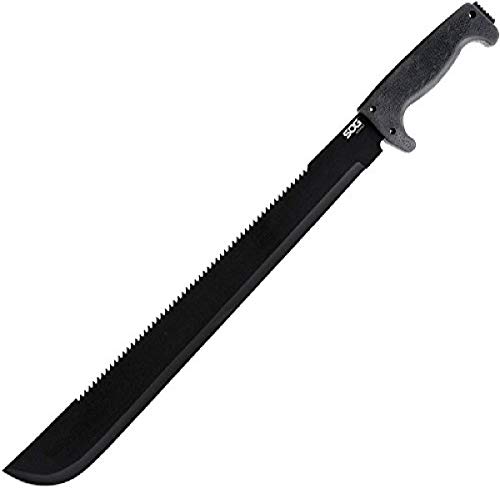
The SOGFARI 18″ Machete is built for versatility in demanding outdoor conditions. Its high carbon stainless steel blade provides excellent resistance to rust and corrosion while maintaining a sharp edge through tough use. The compact 13-inch cutting edge is designed for controlled, precise movements, making it manageable for a variety of tasks beyond simple chopping.
What sets this tool apart is its dual-function sawback spine. This feature allows you to quickly switch from clearing brush to sawing through thicker branches or bone. This combination of a sharp cutting blade and an aggressive saw makes it a highly capable all-in-one tool for survival situations where packing light is essential.
GERBER Gator Machete

Gerber’s Gator Machete is engineered for secure performance in any weather. It features a 15-inch fine-edge blade paired with an 18-inch saw blade, offering two distinct tools in one robust package. This dual-purpose design is ideal for users who need to efficiently clear trails and then process the wood with a saw.
The standout feature is the renowned Gator Grip handle. This textured rubber overmold ensures a firm, non-slip hold whether your hands are wet, dry, or muddy. This secure grip increases control and safety during strenuous chopping and sawing tasks, making it a dependable choice for extended outdoor use.
CAMILLUS Carnivore X 18″ Machete

The CAMILLUS Carnivore X is a multi-tool powerhouse designed for serious outdoor work. Its 12-inch blade undergoes a Titanium Bonding treatment, making it up to three times harder than standard steel for remarkable durability and edge retention. This blade is engineered for cutting, digging, sawing, chiseling, and gutting.
This machete includes a significant bonus: a removable trimming knife with its own dedicated nylon sheath. This adds a layer of functionality for fine-detail tasks, skinning, or food preparation, effectively giving you two specialized tools in one integrated system. It’s a comprehensive solution for hunters and survivalists.
Schrade Delta Class Decimate Kukri Machete

Inspired by the classic Nepalese design, the Schrade Decimate Kukri delivers powerful chopping force. The 13.3-inch blade is made from powder-coated 3Cr13 stainless steel, offering good corrosion resistance and strength. The forward-weighted blade geometry concentrates mass near the tip, allowing for deeper, more efficient cuts with less effort.
This machete comes with a highly versatile polyester sheath system. It includes a removable shoulder pouch, shoulder strap, leg strap, and belt loop, providing multiple carry options for hiking, working, or quick access. This adaptability makes it suitable for a wide range of activities and user preferences.
Ontario Knife Company SP8 Machete
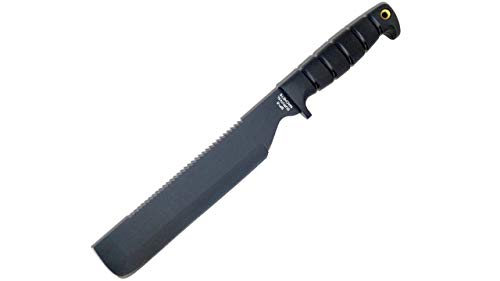
The Ontario SP8 is a rugged, no-nonsense survival tool built for performance. Its 10-inch sawback blade is designed for heavy-duty cutting and sawing tasks in a more compact format. As a product made in the USA, it is constructed with an emphasis on durability and functional reliability under stress.
It comes with a robust Cordura and leather sheath designed for secure carry and long-term wear resistance. This machete is for the user who values straightforward, proven design and American manufacturing, needing a tool that can handle intense survival scenarios and bushcraft projects.
Gerber Gear Gator Combo Axe II

The Gerber Gator Combo Axe II is a unique hybrid tool that blends the functions of a hatchet and a machete. It features a forged steel axe head for powerful splitting and striking, providing a different kind of utility compared to a traditional blade-only machete. This makes it excellent for processing firewood.
Its innovation lies in the glass-filled nylon handle, which conceals a coarse blade saw. You can pull this saw out to cut through brush and branches, then use the axe head for heavier work. The handle is also coated with the signature Gator Grip material for a secure hold in all conditions.
Ontario Knife Company 18″ Military Machete
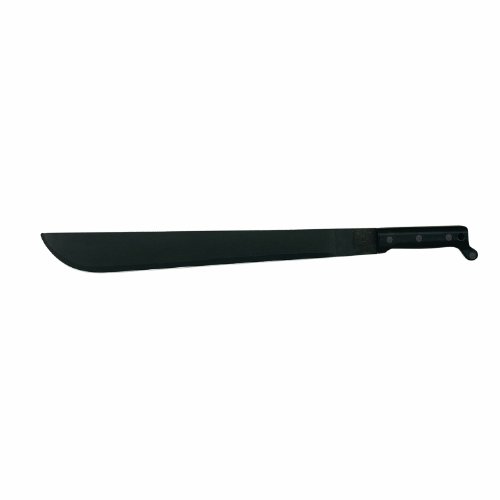
This is a classic military-spec machete built to a proven standard. With a full 18-inch blade made from 1095 carbon steel, it is designed for serious chopping and clearing work. The steel is hardened to a robust 50-55 HRC, offering a balance of toughness and the ability to hold a keen edge.
Its 24-inch overall length provides substantial reach and leverage, making it highly effective for clearing dense undergrowth and vegetation. The simple, durable design has been trusted for generations, representing a time-tested option for users who prefer a traditional, long-bladed machete without extra gadgets.
ESEE PR4 Fixed Blade Survival Knife
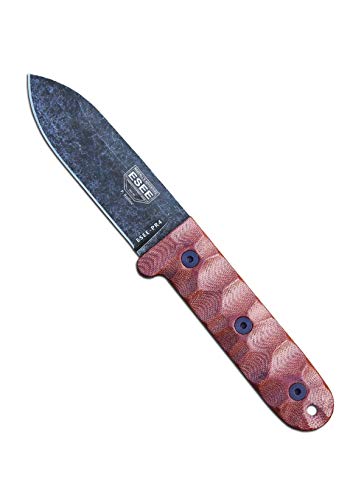
The ESEE PR4 is a compact, field-tested bushcraft knife that serves as an excellent companion to a larger machete or as a primary tool for precision tasks. Based on a historic design, its 4-inch blade made from 1095 carbon steel is known for durability, ease of sharpening, and reliable performance.
With a flat grind and a sturdy .125-inch blade thickness, it excels at wood carving, feather sticking, food preparation, and other detailed camp chores. Its smaller size makes it comfortable for all-day carry and use, perfect for the survivalist or outdoorsman who values precision and control in their cutting tools.
Condor Tool & Knife El Salvador Machete
Condor Tool & Knife is renowned for producing high-quality, handcrafted blades using traditional methods. The El Salvador Machete typically features a robust, wide blade ideal for agricultural and jungle use, translating perfectly to heavy-duty survival clearing tasks. These machetes are often made from high-carbon steel that takes and holds a superior edge.
Expect full-tang construction for maximum strength and durable, ergonomic handle materials like hardwood or micarta. For the user seeking a premium, traditionally crafted machete from a specialist manufacturer, Condor’s offerings represent some of the finest tools available for serious outdoor work and collection.
Buying Guide: How to Choose the Best Survival Machete of 2025
Picking the right survival machete isn’t about grabbing the biggest blade you see. It’s about finding the tool that fits your hand, your environment, and your tasks. I’ve handled dozens, and the differences matter. Let’s break down what you should actually look for when you’re choosing from the 9 best survival machetes of 2025.
First, think about blade length and style. For general trail clearing and camp chores, an 18-inch blade is a sweet spot. It gives you reach and power without being too unwieldy. If you’re in thick jungle, you might want a longer blade, like 22 inches, for hacking through dense vegetation. For more precise work around camp, a shorter 12-14 inch blade could be better. The shape matters too. A classic Latin or kukri style is incredibly versatile for chopping and slicing. A tanto point is great for piercing, but less ideal for fine work.
Next, the steel. You’ll hear terms like 1095 carbon steel and 420HC stainless. Carbon steel, like 1095, takes a razor-sharp edge and is easier to sharpen in the field, but it will rust if you don’t maintain it. Stainless steel is more corrosion-resistant, which is a huge plus in wet climates, but it can be harder to get that hair-popping sharpness. Look for a good balance—a high-carbon steel with a protective coating, or a quality stainless that still holds an edge well.
The handle might be the most important part you touch. It needs to be secure and comfortable during long, sweaty work. Check for a full tang—this means the metal of the blade runs the full length of the handle. It’s non-negotiable for a survival tool; it provides immense strength. Handle materials like textured rubber, G-10, or Micarta offer excellent grip even when wet. Avoid smooth, shiny plastics. Also, see how it feels in your swing. A good machete will have a balance point near the handle, making it feel like an extension of your arm, not a dead weight.
Finally, consider the sheath. A flimsy nylon cover won’t protect you or your blade. A quality molded plastic or leather sheath with a positive retention system (like a snap or strap) is essential for safe carry. Some even have built-in sharpeners or pockets for a ferro rod, which adds to their utility. Remember, your machete is only as good as its ability to be carried safely and accessed quickly when you need it most.
Frequently Asked Questions
What’s the main difference between a survival machete and a regular one?
It often comes down to construction and intended abuse. A regular machete for yard work might have a partial tang or lower-grade steel. A true survival machete is built for constant, hard use in uncertain conditions. It will almost always have a full tang for maximum durability, higher-quality steel that can hold an edge through tough material, and a handle designed for a secure grip when your hands are wet, muddy, or tired. It’s a tool you can bet your life on.
Can I use a survival machete to split wood?
You can, but it’s not the ideal tool. Machetes are designed for slicing and chopping through fibrous vegetation. For splitting logs, you really want the wedge shape of an axe or hatchet. Using a machete to split wood can damage the thinner blade, potentially causing it to chip or even get stuck. For processing smaller kindling, the back of the blade (the spine) near the handle can be used with a baton, but for serious splitting, pair your machete with a small forest axe.
How do I properly sharpen my machete?
Start with a coarse stone or file if the edge is very dull or nicked. Hold it at a consistent angle—usually around 20 to 25 degrees—and use long, smooth strokes along the entire edge. Then, move to a finer stone to hone the edge. I prefer a simple sharpening puck in the field; it’s portable and effective. The key is consistency and patience. A sharp machete is safer and more effective than a dull one, as it requires less force to use.
Is a sawback on the spine of the machete a useful feature?
This is a personal preference. A sawback (like those on some military-style models) can be handy for notching wood or cutting through smaller branches. However, it can make batoning (using a stick to hammer the blade through wood) uncomfortable on your hand, and it adds a point of potential weakness in the spine. For most general survival tasks, a plain, robust spine is more versatile and stronger.
What maintenance does a carbon steel machete need?
Carbon steel needs a little more love to prevent rust. After use, always dry the blade thoroughly. A light coat of food-grade mineral oil, gun oil, or even a thin layer of Vaseline will protect the metal during storage. If you see surface rust starting, you can usually remove it with fine steel wool and oil. The patina (a dull gray coating) that forms over time is actually protective, so you don’t need to polish it to a mirror shine.