Rock climbing demands precision, strength, and resilience, not just from your body but also from your gear. Your hands are your primary connection to the rock and your rope, making their protection a critical safety and performance consideration. The right pair of climbing gloves can prevent painful abrasions, blisters, and rope burns, allowing you to focus on your technique and push your limits with confidence.
From specialized crack climbing designs to versatile belay and rappelling gloves, the market offers options for every discipline. This roundup examines ten of the best models available, focusing on durability, dexterity, and specialized protection to help you find the perfect pair for your next ascent.
Our Top Picks for Climbing Hand Protection
- Ocun Crack Climbing Gloves (Medium)
- PETZL CORDEX Gloves – Lightweight, Breathable Leather Belay Gloves
- Black Diamond Mens Stone Gloves for Rock Climbing, Belaying
- Mechanix Wear: M-Pact 3 Tactical Work Gloves, Touchscreen Capability
- Outdoor Research Men & Women Splitter II Gloves – Crack Climbing Gloves
- Mammut Astro Guide SO Glove
- Metolius 3/4 Climbing Glove – Natural Medium
- Black Diamond Transition Gloves | Goat Leather Palm | Breathable Stretch Fabric
- EDELRID Work Glove Open II Work Gloves, Titanium, Size XL
- PETZL Cordex Plus Gloves
Ocun Crack Climbing Gloves

Designed specifically for the unique demands of crack climbing, the Ocun Crack Climbing Gloves provide targeted protection where you need it most. Their anatomical shape is engineered to offer greater comfort and hand security during strenuous jams and fist stacks. The improved design reduces fatigue and helps prevent the skin damage common in this climbing style.
The glove combines microfiber stretch suede with a high-sensitivity adhesive rubber palm. This material choice aims for maximum friction against the rock, giving you a more secure feel. This balance of protection and tactile feedback is crucial for maintaining control in thin cracks and off-widths.
PETZL CORDEX Gloves

The PETZL CORDEX Gloves strike a notable balance between durability and comfort, making them a popular choice for belaying and rappelling. Weighing only 115 grams, they are lightweight and breathable, thanks to a stretch nylon back. The premium leather palm requires no break-in period, offering immediate performance and reliable rope handling.
Enhanced protection is placed in high-traffic areas like the fingertips and the space between the thumb and forefinger, which helps extend the glove’s lifespan during frequent rope work. A simple Velcro closure ensures a secure fit, and a built-in carabiner hole allows for easy storage on your harness or gear loop when not in use.
Black Diamond Stone Gloves

Black Diamond’s Stone Gloves are built as a versatile option for rock climbing and belaying duties. They are designed to protect your hands during repeated rope handling on long sport climbs, trad routes, or multi-pitch adventures. The focus is on providing essential coverage without overly compromising your sense of touch.
Constructed from durable materials in key wear zones, these gloves help prevent rope burn and palm abrasion. Their design prioritizes a balance, offering enough protection for safety during belaying and rappelling while maintaining the dexterity needed for basic climbing movements and gear management.
Mechanix Wear M-Pact 3 Tactical Gloves

While not designed specifically for climbing, the Mechanix Wear M-Pact 3 gloves are favored by some climbers for their robust protection and unique features. They offer significant impact protection across the knuckles and back of the hand, which can be useful for crack climbing or alpine environments where knocking your hands against rock is likely.
The synthetic leather construction provides abrasion resistance, and the internal fingertip reinforcement adds durability. A standout feature is their touchscreen capability, allowing you to use a phone or device without removing the gloves—a convenient perk for checking route beta or weather at the crag.
Outdoor Research Splitter II Gloves
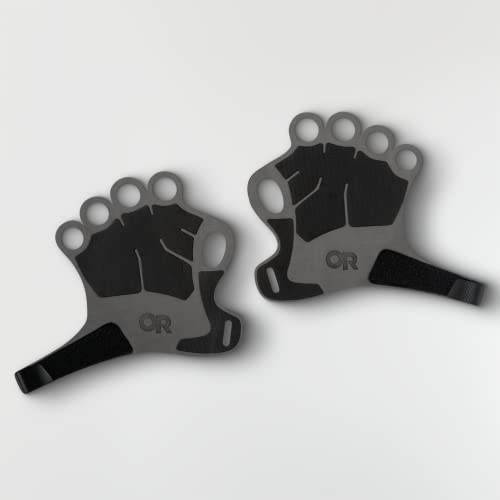
The Outdoor Research Splitter II Gloves are purpose-built for crack and trad climbing. Their precision design offers a natural fit and aims to improve grip on technical routes across various rock types like granite and sandstone. The focus is on protecting your hands during sustained jamming without sacrificing all tactile sensation.
Durable leather construction provides lasting defense against abrasion while remaining flexible. A key protective feature is the integrated knuckle guard, which helps shield sensitive knuckle areas from painful scrapes and direct impact against the rock during climbs.
Mammut Astro Guide SO Glove

For climbers facing cold or variable conditions, the Mammut Astro Guide SO Glove offers a more insulated solution. It incorporates wind-proof and breathable Gore-Tex material, providing weather resistance while managing moisture. This makes it suitable for alpine climbing, mountaineering, or cold-weather belaying sessions.
The palm is made from supple, water-repellent goatskin leather, chosen for its good accuracy and durable grip on ropes and gear. Reinforced leather in the palm area enhances abrasion resistance, aiming for long-term performance in demanding, all-weather environments.
Metolius 3/4 Climbing Glove

The Metolius 3/4 Climbing Glove takes a minimalist approach, covering the palm and lower fingers while leaving the upper fingers exposed. This design is intended for situations where palm protection is paramount but maximum fingertip sensitivity is still required for feeling holds or handling small gear.
Built with durability as a priority, it features a cowhide main body with triple-stitched, split cowhide palm reinforcement. All high-wear areas are reinforced, and the finger openings are double-stitched for increased longevity during repeated use.
Black Diamond Transition Gloves

Built specifically for climbing and rope work, the Black Diamond Transition Gloves are designed for belaying, rappelling, and general rope management across various disciplines. They aim to provide excellent hand protection against friction burns while maintaining a high degree of dexterity for clipping and other tasks.
A premium goatskin leather palm delivers a secure grip and stands up to abrasion from ropes, with reinforcement in the zones that experience the most wear. The back of the hand uses a breathable stretch mesh, which keeps hands cooler and allows for a comfortable, natural fit during long days of use.
EDELRID Work Glove Open II

The EDELRID Work Glove Open II provides a straightforward, durable option for climbers needing reliable hand protection. With durable leather palms, these gloves are built to handle the rigors of rope work, gear handling, and general climbing use. The open-back design offers ventilation and a less restrictive feel.
A closure tab at the wrist allows for easy on and off and helps secure the glove during use. The included carabiner hole is a practical feature for hanging the gloves from a harness or pack when they are not being worn, keeping them accessible and organized.
PETZL Cordex Plus Gloves
As an evolution of the popular CORDEX line, the PETZL Cordex Plus Gloves are designed to offer enhanced durability and performance for intensive rope work. They build upon the lightweight and breathable foundation with upgraded materials in critical wear zones to handle the demands of frequent belaying, rappelling, and hauling.
These gloves typically maintain the features climbers appreciate, such as a secure closure system and practical storage solutions. The “Plus” designation generally indicates improvements aimed at extending the product’s lifespan under heavy use, making them a solid choice for guides, frequent climbers, or those working with ropes often.
What to Look For in the Best Climbing Gloves for Protection
When I’m looking for a pair of climbing gloves, my main goal is always protection, but the right pair does so much more. It’s not just about slapping on any leather mitt; it’s about finding a glove that becomes a seamless extension of my hands for the specific task. The wrong glove can be worse than no glove at all, robbing me of the dexterity and feel I need to handle gear safely. So, before you pick from a list of the 10 best climbing gloves for protection, let’s break down what actually matters.
First, consider the material and construction. For heavy-duty rope work like hauling or rigging, full-grain leather palms are the gold standard for durability. For mixed climbing or ice, you’ll need a waterproof and insulated shell, often with a synthetic palm for grip when wet. Synthetic materials like Clarino or durable nylon blends are fantastic for warm-weather crack climbing or gym use, offering solid abrasion resistance without the bulk. Look at the stitching—reinforced seams in high-wear areas (like the thumb crotch) are a sign of a glove built to last.
Next is fit and dexterity. This is non-negotiable. A glove that’s too loose will create dangerous folds and blisters, while one that’s too tight will fatigue your hands quickly. You should be able to make a fist and easily pick a carabiner off a flat surface. Pre-curved finger designs and articulated knuckles allow for a more natural hand position. For tasks requiring extreme sensitivity, like handling thin cordage, look for gloves with exposed fingertips or very thin, form-fitting palms.
Finally, think about the specific features for your discipline. Belay gloves need excellent heat resistance on the palms and fingers. Gloves for outdoor bouldering or working on projects might prioritize padded palms for protecting against sharp crystals. Touchscreen-compatible fingertips are a modern luxury I’ve come to appreciate for checking a topo or using a phone without removing my glove. Breathability is also key; a sweaty hand is an uncomfortable and slippery one. Mesh panels on the back can make a huge difference on long, hot days.
Remember, the best climbing gloves for protection are the ones you’ll actually wear because they fit well and suit the job. Don’t buy a bulky rigging glove for delicate face climbing, and don’t expect a thin crack glove to save your hands on a long rappel. Match the tool to the task.
FAQ
Do I really need climbing gloves, or are they just for beginners?
This is a common question, and the answer is absolutely not just for beginners. While they can help new climbers avoid painful blisters, gloves are a critical piece of protective gear for any climber doing repeated rope work. Belaying a leader on multiple pitches, top-roping for hours, or doing any hauling/rigging generates significant friction heat. Gloves prevent rope burn and allow for a more secure, comfortable grip, letting you focus on your partner’s safety rather than your stinging palms.
Can I use regular work gloves for climbing?
I strongly advise against it. General-purpose work gloves are often too bulky, lack the necessary dexterity for handling carabiners and tying knots, and may use materials that can melt from rope friction. They also frequently have seams in places that will cause hot spots. Climbing-specific gloves are engineered for the unique demands of the sport, with abrasion-resistant materials in precise locations and a fit designed for a climbing grip. Using the wrong tool for the job can compromise safety.
How do I care for and clean my climbing gloves?
Proper care extends their life significantly. For leather palms, I condition them occasionally with a leather balm (like what you’d use for hiking boots) to prevent drying and cracking. For most synthetic and leather gloves, I hand-wash them in lukewarm water with a mild soap, gently scrubbing the soiled areas. Never put them in the dryer; always air dry them away from direct heat or sunlight, which can break down the fibers and cause shrinkage. For waterproof models, follow the manufacturer’s instructions for reapplying a DWR (durable water repellent) treatment.
What’s the difference between belay gloves and crack climbing gloves?
They serve two very different purposes. Belay gloves are designed for rope handling. They prioritize heat resistance, full-finger coverage, and a secure grip on the rope, often with a textured palm. Crack gloves, on the other hand, are for protecting the back of your hand and knuckles from jamming into rough rock. They are typically fingerless, made from tough leather or synthetic suede, and focus on protecting the top of the hand while leaving your fingertips free for feeling placements.
How often should I replace my climbing gloves?
There’s no set timeline—it depends entirely on use. I replace mine when the primary wear areas (usually the palms and thumb) show significant thinning, holes, or when the stitching fails. A small scuff is fine, but once the material is worn through to the point where your skin is exposed or the glove’s integrity is compromised, it’s time for a new pair. Regularly inspecting your gear, including your gloves, is a fundamental safety habit.