Summer camping is all about warm days, starry nights, and the perfect balance of comfort without overheating. Your sleeping bag is a critical piece of gear for these adventures, needing to provide just enough warmth for cool evenings while remaining breathable and packable. Choosing the wrong one can lead to a restless night, leaving you tired instead of refreshed for the day’s hikes and activities.
To help you find your ideal match, we’ve compiled a list of eight excellent sleeping bags suited for summer conditions. This roundup includes options ranging from ultralight backpacking models to roomy picks for car campers, all selected for their performance, comfort, and value during the warmer months.
Our Top Picks for Summer Sleeping Bags
- Winner Outfitters Mummy Sleeping Bag with Compression Sack
- Sleeping Bag | 3 Season Warm & Cool Weather – Summer Spring Fall
- Teton Celsius XXL, 0 Degree Sleeping Bag, All Weather Sleeping Bag
- Retrospec Dream 30 Sleeping Bag – Mummy Sleeping Bag for Camping
- Coleman North Rim 40°F Sleeping Bag
- Sleeping Bag by Wakeman Outdoors 40 Degree
- Outdoor Vitals LoftTek 50°F Ultralight Sleeping Bag
- ALPS Mountaineering Velocity 20 Sleeping Bag
Winner Outfitters Mummy Sleeping Bag with Compression Sack

This versatile mummy bag from Winner Outfitters is designed for campers who venture out across multiple seasons, including summer. Its lightweight and portable design is a major benefit for backpackers, as it compresses down into the included sack without taking up much room in your pack. The mummy shape is efficient at retaining body heat on unexpectedly cool summer nights at higher elevations.
Built for 3-4 season use, it offers a balance of warmth and breathability. The construction focuses on essential weather protection and comfort, making it a reliable and straightforward choice for various outdoor activities from hiking to general travel.
Sleeping Bag | 3 Season Warm & Cool Weather

The Abco sleeping bag uses a barrel-shaped design that provides more shoulder room than a traditional mummy bag while still tapering at the feet. This shape is ideal for sleepers who want a comfortable balance of space and warmth. Its double-filled technology and S-shaped quilting are intended to manage a range of temperatures, making it suitable for spring through fall camping trips.
Convenience is a strong point for this model. It is noted as being machine washable, which is perfect for cleaning after summer trips. The included compression sack with straps makes packing and carrying straightforward, whether you’re heading to a campground or on a short hike.
Teton Celsius XXL, 0 Degree Sleeping Bag

For campers who prioritize space and extreme warmth for high-altitude summer adventures, the Teton Celsius XXL is a standout. It features a generous cut and a soft poly-flannel lining that adds to sleeping comfort. The half-circle mummy hood helps keep warmth in and can also function as a clean spot for your pillow.
While rated for very low temperatures, its design includes features like double-layer construction and insulated draft tubes that prevent heat loss. The robust compression sack makes packing this larger bag more manageable, allowing you to secure it tightly for transport.
Retrospec Dream 30 Sleeping Bag
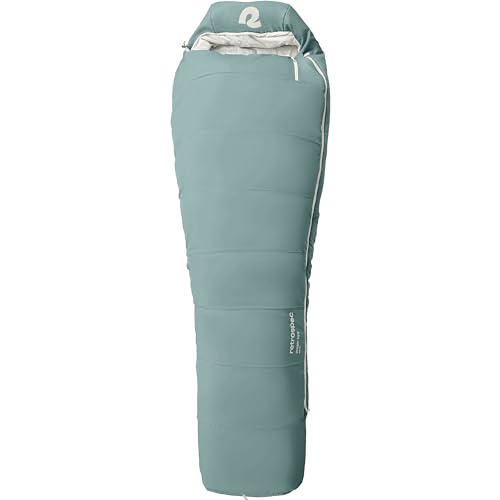
The Retrospec Dream 30 is a water-resistant, insulated sleeping bag built for cooler summer nights, especially in damp conditions. Its relaxed mummy shape is designed to retain heat efficiently without feeling overly restrictive. Multiple layers of synthetic fill and a draft collar work together to provide solid insulation.
Weighing just over two and a half pounds, it strikes a good balance between warmth and packability for backpackers. The included stuff sack compresses the bag down to a portable size, making it easy to include in your gear for a multi-day summer trek.
Coleman North Rim 40°F Sleeping Bag
The Coleman North Rim is tailored for warm-weather camping with a 40-degree Fahrenheit comfort rating. This makes it an excellent choice for typical summer conditions where you need only a light layer of insulation. Coleman’s reputation for durable, user-friendly outdoor gear is evident in this model’s construction.
It is likely designed with features that promote airflow and prevent overheating, such as a less restrictive shape or specific lining materials. This bag is ideal for car camping, scout trips, or any summer outing where pack size is less critical than comfort in mild temperatures.
Sleeping Bag by Wakeman Outdoors 40 Degree
This 40-degree bag from Wakeman Outdoors offers a straightforward and affordable solution for summer camping. It provides sufficient warmth for most summer nights without being too heavy or bulky. The design typically focuses on essential comfort and easy maintenance.
Many of these value-oriented bags include a convenient carry bag for storage and transport. It’s a practical pick for casual campers, festival-goers, or as an extra bag for guests on a backyard camping trip, delivering reliable performance for warm-weather use.
Outdoor Vitals LoftTek 50°F Ultralight Sleeping Bag
For the weight-conscious backpacker, the Outdoor Vitals LoftTek 50 is a top contender. With a 50-degree rating, it is specifically engineered for summer and warm-weather trips where every ounce matters. It uses advanced materials to minimize weight while still providing necessary insulation and weather resistance.
The ultralight build does not sacrifice durability or packability. This type of bag is perfect for long-distance hikers, bikepackers, or anyone looking to reduce their pack weight significantly during the summer months without sacrificing a comfortable night’s sleep.
ALPS Mountaineering Velocity 20 Sleeping Bag
The ALPS Mountaineering Velocity 20 offers a higher warmth-to-weight ratio for campers who experience colder summer nights in the mountains or desert. Its 20-degree rating provides a safety margin for unpredictable weather. The design likely incorporates efficient insulation and a contoured shape to maximize heat retention.
Despite its lower temperature rating, it is built with materials that aim to keep the overall weight and packed volume manageable for backpacking. This bag is for the adventurous summer camper who needs a single, versatile bag capable of handling a wide swing in nighttime conditions.
Buying Guide: How to Pick Your Summer Sleeping Bag
When I’m getting ready for a summer camping trip, my sleeping bag choice is all about balancing comfort with practicality. Summer nights can be surprisingly chilly, but you also don’t want to sweat yourself awake. The key is finding a bag rated for the right temperature. For most summer conditions, I look for a bag with a comfort rating between 35°F and 50°F. This keeps me cozy when the temperature dips but isn’t overkill for a mild night. If you’re camping in the desert or somewhere known for very warm nights, a simple liner or even a quilt might be all you need.
Next up is insulation type. For summer, synthetic fill is my go-to. It’s less expensive, dries much faster if it gets damp from condensation or an unexpected shower, and it’s hypoallergenic. Down insulation is fantastic for cold weather due to its superior warmth-to-weight ratio, but in summer humidity, it can clump and lose loft if wet, and it takes forever to dry. Synthetic just handles the variable conditions of a summer trip better.
Then, consider the shape. Rectangular bags are the roomiest and feel more like your bed at home. They’re perfect for car camping where pack size and weight aren’t an issue. Mummy bags are tapered and fitted to reduce dead air space, making them warmer for their weight and more packable—ideal if you’re backpacking. Some companies also offer semi-rectangular or “spoon” shapes that offer a nice middle ground with more hip and shoulder room than a mummy.
Finally, don’t overlook the features. A full-length two-way zipper is a summer superstar, allowing you to vent your feet or open the bag like a blanket on a warm night. Look for a bag with a draft tube behind the zipper to block breezes. For stuffability, a compression sack is a huge help, especially for synthetic bags which are bulkier. The fabric should feel soft against your skin, and for summer, a lighter denier (like 30D or 40D) is usually sufficient and helps with breathability. By focusing on these aspects—temperature rating, insulation, shape, and features—you can find one of the best sleeping bags for summer camping trips that will make your nights under the stars both comfortable and hassle-free.
Frequently Asked Questions
Can I use my three-season sleeping bag for summer camping?
You can, but you might end up too warm. A three-season bag is typically rated for lower temperatures (e.g., 20°F to 35°F). On a summer night, this can cause you to overheat and sweat, which is uncomfortable and can even make you feel chilled. It’s better to use a bag specifically rated for warmer weather. If it’s your only option, look for one with a full-length zipper so you can open it up completely to use as a quilt.
What’s the difference between a sleeping bag’s temperature rating and its limit rating?
This is a crucial distinction. The EN/ISO Limit Rating is the temperature at which a standard person can sleep for eight hours without waking from the cold, but they may be slightly uncomfortable. The Comfort Rating is the temperature at which a standard person will sleep comfortably. For summer trips, I always shop based on the Comfort Rating. A bag with a 40°F Comfort Rating will be perfect for a night where the low is around 40°F.
How do I clean and store my summer sleeping bag?
First, always check the manufacturer’s label. For most synthetic bags, you can machine wash on a gentle, cold cycle with a technical cleaner made for fabrics (never regular detergent or bleach). Tumble dry on low heat with tennis balls to break up clumps. For storage, never keep it compressed in its stuff sack long-term. This damages the insulation. Store it loosely in a large cotton sack or hang it in a closet. This preserves its loft and warmth for years.
Are sleeping bag liners worth it for summer?
Absolutely, and they’re incredibly versatile. A lightweight silk or polyester liner adds a bit of warmth on a cool night, but more importantly for summer, it keeps your bag clean from sweat, dirt, and sunscreen. This means you need to wash the bulky bag far less often. On a very hot night, you can even skip the bag entirely and just sleep in the liner. It’s a small, lightweight addition that really extends the comfort range of your sleep system.
What should I prioritize: weight, price, or comfort?
For summer trips, my personal hierarchy starts with the correct temperature rating (comfort), then moves to weight/packability if I’m carrying it, and finally price. A cheap, bulky bag rated for 20°F will be miserable on a 50°F night, even if it saved money. If you’re car camping, weight matters less, so you can prioritize comfort features like roomy rectangular shapes. For backpacking, finding a balance between a suitable rating and a low packed weight becomes the main goal, which often influences the price. Investing in one of the best sleeping bags for summer camping trips that fits your primary activity pays off in better sleep.