A well-organized pack is a happy pack, and for backpackers and campers, nothing beats a dedicated compression sack for a sleeping bag. These specialized stuff sacks go beyond simple storage, using straps or roll-top designs to squeeze bulky insulation into a compact, manageable bundle. This not only saves crucial space in your backpack but also protects your gear from moisture and dirt. Choosing the right one depends on your priorities: maximum waterproofing, ultralight weight, simple compression, or quick access.
With many options on the market, finding the perfect compression sack can feel overwhelming. To simplify your search, we’ve compiled a roundup of eight top-performing models. From fully waterproof dry bags to ultralight minimalist designs, this list covers a range of features to suit different adventures and packing styles, helping you secure your sleep system efficiently.
Our Top Picks for Sleeping Bag Compression Sacks
- Sea to Summit eVac Compression Dry Bag, 13L
- Outdoor Research PackOut Compression Stuff Sack 15L
- Granite Gear Air ZippDitty Zippered Stuff Sack (4 Sizes)
- Osprey StraightJacket 8L Compression Sack
- REI Co-op Stuff Sack Pack L Compression Sack
- Sea to Summit Ultra-Sil Compression Dry Sack
- Outdoor Research Hydroseal Dry Compression Sack
- Granite Gear eVent Compression Sack
Sea to Summit eVac Compression Dry Bag, 13L

For adventures where waterproof protection is non-negotiable, the Sea to Summit eVac Compression Dry Bag stands out. Its innovative air-permeable base is the key feature, allowing you to push air out through the fabric while creating an impenetrable barrier against water. This valve-free design makes compressing your sleeping bag quick and effective. The roll-top closure combined with four external compression straps ensures a secure, compact package.
Built from bluesign-approved materials, this sack is both durable and environmentally conscious. It boasts a 10,000mm waterhead rating and features fully taped seams for guaranteed dryness in wet conditions. The light-reflecting white interior is a thoughtful addition, making it easier to locate items inside the bag, especially in low light. This is a complete solution for backpacking, paddling, or any trip where your gear must stay dry.
Outdoor Research PackOut Compression Stuff Sack 15L

The Outdoor Research PackOut offers a streamlined and user-friendly approach to compression. Its two-strap system simplifies the process, making it easy to tighten down your sleeping bag without fuss. The roll-top closure provides a secure seal and adds to the overall compression capability. This design is optimized for efficient pack organization, helping you create a stable load.
Constructed from a water-resistant, siliconized diamond ripstop nylon with a PU coating, this sack is both ultralight and durable. The semi-translucent fabric is a useful feature, allowing you to identify the contents at a glance without opening the sack. This balance of simplicity, visibility, and reliable compression makes it a strong choice for general backpacking and camping use.
Granite Gear Air ZippDitty Zippered Stuff Sack

If quick access and visibility are your main concerns, the Granite Gear Air ZippDitty presents a compelling option. Unlike traditional roll-top sacks, this model features a full-length water-resistant zipper. This allows you to open the sack completely for easy packing and unpacking, or to quickly grab an item from the middle without emptying everything.
Made from ultralight, see-thru Sil-Nylon Cordura fabric, this sack lets you see exactly what’s inside, which is perfect for organizing smaller items or identifying your sleeping bag in a stack of similar-looking gear. The PFAS-compliant material and simple, effective design cater to backpackers who prioritize convenience and a fast pace on the trail.
Osprey StraightJacket 8L Compression Sack
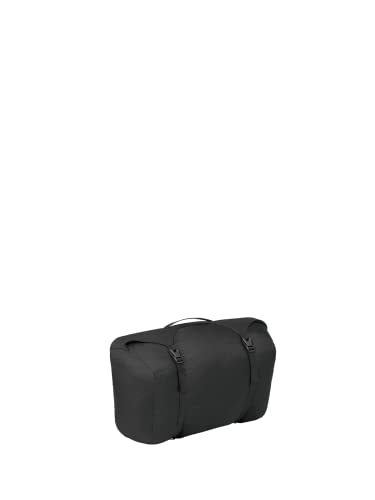
The Osprey StraightJacket lives up to its name by providing serious compression in a minimalist package. Weighing a mere 0.12 pounds, it adds almost nothing to your pack weight while offering a significant reduction in the volume of your sleeping bag. Its design focuses on applying even, consistent pressure to create the smallest possible bundle.
This sack is an excellent choice for ultralight hikers and anyone trying to maximize space in a smaller backpack. The straightforward strap system is efficient, and the durable construction ensures it can handle the repeated tension of compression. For those who view a stuff sack as a purely functional tool for saving space, the StraightJacket is a purpose-built and reliable option.
REI Co-op Stuff Sack Pack L Compression Sack
The REI Co-op Stuff Sack Pack L Compression Sack represents a value-oriented option from a trusted outdoor retailer. These sacks are designed to provide reliable compression for bulkier items like sleeping bags and clothing, helping to organize your pack efficiently. They typically feature a user-friendly strap system to tighten down the load.
As part of REI’s own brand, you can expect a focus on practical functionality and durable materials suited for regular use. This makes it a solid, no-frills choice for campers and backpackers who need effective compression without extra features, and who appreciate the consistent quality associated with the REI Co-op line of gear.
Sea to Summit Ultra-Sil Compression Dry Sack
For the weight-conscious adventurer, the Sea to Summit Ultra-Sil Compression Dry Sack is a top contender. As the name suggests, it’s constructed from Ultra-Sil nylon, a famously lightweight and packable material that is also highly water-resistant. This sack is designed to offer a balance between protection and minimal weight penalty.
It combines the space-saving benefit of compression straps with the peace of mind of a dry bag’s roll-top closure. The result is a versatile sack that can compress your sleeping bag effectively while also shielding it from rain, spray, or accidental submersion. It’s an ideal pick for thru-hikers and anyone counting every ounce.
Outdoor Research Hydroseal Dry Compression Sack
The Outdoor Research Hydroseal Dry Compression Sack is built for environments where you expect serious moisture. Utilizing Hydroseal technology, this sack is designed to be fully waterproof, keeping your sleeping bag dry even during extended exposure to wet conditions. The construction typically involves fully taped seams and a robust roll-top closure.
Beyond its waterproof defense, it integrates a compression system to reduce the packed size of your gear. This combination makes it a specialized tool for kayaking, canoeing, or backpacking in consistently rainy climates, where keeping your core sleep gear dry is the highest priority.
Granite Gear eVent Compression Sack
The Granite Gear eVent Compression Sack uses advanced fabric technology to solve a common problem: trapping air inside. The eVent fabric is a waterproof, breathable material that allows air to escape directly through the sack’s walls when pressure is applied. This direct-vent design can make compression easier and more effective, especially for bulky, air-filled items like sleeping bags.
This technology often eliminates the need for a separate valve or a specific rolling technique to expel air. It’s a smart choice for backpackers looking for an efficient compression method that works in tandem with the material’s properties to create a dense, space-saving package without struggling against trapped air.
Buying Guide: How to Pick the Right Compression Bag for Your Sleeping Bag
When I’m packing for a trip, getting my sleeping bag to fit is always a puzzle. A good compression sack is the key, but not all are created equal. The main goal is to shrink your sleeping bag’s volume, making it easier to strap to your pack. But you also need to think about durability, weight, and how easy it is to use when your fingers are cold. Let’s break down what I look for.
First, material and durability are huge. I want something made from a tough, ripstop nylon or polyester. A high denier count (like 70D or 100D) usually means it can handle being dragged over rocks and roots. The seams should be double- or triple-stitched, and the buckles or straps need to feel solid, not flimsy. A waterproof or highly water-resistant coating is a major plus for keeping your down or synthetic insulation dry in a sudden downpour.
Next, consider the closure system. Roll-top closures with a buckle and strap system are the most common and generally offer the best compression. You roll the top down, clip the buckle, and then pull the straps tight. Some bags use a two-strap system for more even compression, while others have a single strap that’s quicker to use. I avoid bags that just use a drawstring; they rarely compress enough.
Size is critical. Your compression sack needs to be slightly smaller than the stuff sack your sleeping bag came in. If it’s too big, you won’t achieve maximum compression. If it’s too small, you’ll never get the bag inside. Check your sleeping bag’s packed volume (usually in liters) and choose a compression sack rated for that volume or a bit less. Remember, down bags compress much more than synthetic ones.
Finally, think about features. A removable shoulder strap can turn the sack into a handy carry-on for travel. Mesh panels are great for letting damp air escape if you have to pack up a slightly moist bag. Color might seem trivial, but a bright color is much easier to find at the bottom of a dark pack or in a cluttered gear closet. For me, finding the best compression bag for sleeping bags is about balancing brute-force shrinking power with smart, durable design that lasts for miles.
FAQ
Can I compress my sleeping bag too much?
Yes, you can, especially with down bags. Long-term, excessive compression can damage the lofting fibers in down or the synthetic insulation, reducing its ability to trap heat. For seasonal storage, always use the large, breathable cotton storage sack that came with your bag. Only use your compression sack for travel and trips. When you get home, let your bag breathe.
Will a compression sack make my sleeping bag waterproof?
Not entirely. Many compression sacks have a water-resistant coating (like PU or DWR), which will shed light rain and snow for a while. But if you submerge it or face prolonged heavy rain, water will eventually get in. For true waterproof protection, especially on wet trips like kayaking, I use a fully waterproof dry bag-style compression sack or line my pack with a heavy-duty trash compactor bag.
How do I get my sleeping bag into a really tight compression sack?
The technique matters! Don’t just stuff it in. Start by loosely stuffing the sleeping bag into the bottom of the sack. Then, kneel on the sack to push out air as you roll the top down. Clip the buckle and pull the straps gradually and alternately, not all at once. Sometimes sitting on the rolled bag helps. If it’s a serious struggle, your sack might be too small for your bag’s fill type.
Are compression sacks bad for synthetic sleeping bags?
Synthetic insulation is more resilient to compression than down, so it’s generally less of a concern. However, the same rule applies: don’t store it compressed long-term. Because synthetic bags don’t pack down as small as down, you might not see as dramatic a size reduction, but a good compression sack is still the best way to make them manageable in your pack.
What’s the difference between a stuff sack and a compression sack?
A stuff sack is just a simple bag, often with a drawstring, that holds your gear. A compression sack has straps and a roll-top closure that actively squeezes the air out, reducing the volume further. Your sleeping bag likely came with a stuff sack. To save serious space, you need to upgrade to a dedicated compression sack. Finding the best compression bag for sleeping bags means choosing one with an active compression system.