Choosing the right shelter is the most critical gear decision for any mountaineer. A true four-season tent is your fortress against the mountain’s harshest moods, from howling winds and driving snow to bitter cold. These specialized shelters are engineered with robust poles, reinforced fabrics, and aerodynamic designs to protect you when the conditions turn severe. This roundup focuses on tents built to handle high-altitude expeditions and alpine environments, where reliability is non-negotiable.
Beyond just surviving the storm, the best mountaineering tents balance bomber protection with liveable space and manageable weight. Features like extended snow skirts, multiple venting options, and strategic guy-out points make the difference between a miserable night and a secure, restful basecamp. Whether you’re planning a multi-day winter ascent or a fast-and-light alpine climb, one of these eight tents is designed to be your trusted refuge in the wild.
Our Top Picks for Four-Season Mountaineering Tents
- MSR Remote 4-Season 3-Person Mountaineering Tent
- GEERTOP 2 Person Backpacking Tent Waterproof Lightweight 4 Season
- THE NORTH FACE Stormbreak 3 Three-Person Camping Tent
- Big Agnes Battle Mountain Mountaineering Tent, 3 Person
- VAUDE Arco XT 3P 3-Person Tent, Mossy Green
- Hilleberg Nammatj 3 GT 4-Season Tent
- MSR Access 3-Person 4-Season Tent
- Black Diamond Eldorado 2-Person Tent
MSR Remote 4-Season 3-Person Mountaineering Tent with Dome Vestibule

Built for the most demanding expeditions, the MSR Remote is a shelter designed to withstand severe alpine conditions. Its unique central-support frame, constructed with ultra-durable Easton Syclone poles, provides exceptional strength to handle heavy snow loads and high winds. This engineering creates a stable, secure environment when you need it most.
The tent prioritizes both protection and comfort. A DuraShield coating and a waterproof bathtub floor work to keep moisture out, while strategic rainfly vents help manage condensation from occupants and gear. Inside, you get a generous floor plan and extra headroom, making it a practical choice for three climbers and their bulky winter equipment.
View Full Specifications on Amazon
GEERTOP 2 Person Backpacking Tent Waterproof Lightweight 4 Season

The GEERTOP tent offers a capable four-season design at a value-focused point. It is built to handle challenging weather with a PU3000mm rain armor coating and a full 360-degree snow skirt, providing defense against blizzards and high winds. The 210T ripstop fabric adds durability against abrasion from rough terrain.
This tent balances weather protection with thoughtful space management. The inner tent comfortably fits two adults, and it includes a 24-inch vestibule for gear storage plus a bonus mudroom area for wet boots or packs. Its free-standing design and color-coded aluminum poles allow for a quick setup, often in under eight minutes, which is a significant advantage in inclement weather.
Check Latest Price and Availability
THE NORTH FACE Stormbreak 3 Three-Person Camping Tent
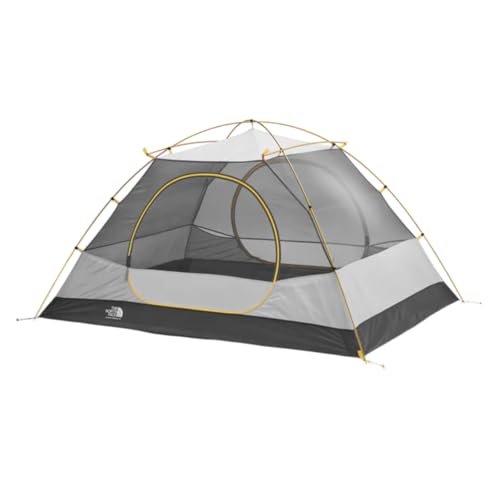
The North Face Stormbreak 3 is a user-friendly tent that blends straightforward setup with comfortable living space. Its quick-pitch design and large doors make access easy and provide pleasant views of your surroundings. Mesh stuff pockets conveniently hold the doors open during setup, keeping the entryways clear.
Ventilation is a key focus, with high-low ventilation openings designed to promote optimal airflow and reduce condensation buildup inside the tent. For gear security, the twin-zip vestibules offer protected storage outside the sleeping area, helping to keep your living space organized and dry through the night.
See Customer Reviews and Ratings
Big Agnes Battle Mountain Mountaineering Tent, 3 Person

The Big Agnes Battle Mountain is a purpose-built shelter for high-alpine adventures, using durable materials typically found in basecamp tents. It is constructed from a high-tenacity polyester ripstop that offers exceptional tear strength, UV resistance, and stability in fluctuating temperatures and moisture levels common at high altitudes.
This tent features two dual-zipper doors, each with a versatile window system. You can choose to close just the mesh layer for maximum ventilation or zip up the solid nylon layer for complete privacy and weather protection. This flexibility allows you to adapt the tent’s environment to specific weather conditions throughout your trip.
VAUDE Arco XT 3P 3-Person Tent

The VAUDE Arco XT 3P is a spacious tunnel tent designed for trekking and camping trips where living space is a priority. The tunnel architecture typically offers a good ratio of interior volume to weight and can provide excellent stability when properly anchored. Two ventilation openings in the roof help manage air circulation.
This tent features a very spacious apsis (vestibule) and two separate entrances. This layout is highly practical for groups, allowing each person easy in-and-out access without disturbing others and providing ample covered space for storing gear, cooking in poor weather, or simply relaxing out of the elements.
Get More Information on Amazon
Hilleberg Nammatj 3 GT 4-Season Tent
Hilleberg is renowned in the expedition world for building exceptionally strong and reliable tents, and the Nammatj 3 GT is a prime example. This true four-season tent is crafted for severe conditions, featuring a robust Kerlon outer fabric and a sturdy pole structure designed to shed snow and resist powerful winds.
The “GT” designation stands for “giant,” indicating a larger vestibule area that provides significant extra space for gear storage or cooking. Hilleberg’s trademark is their exceptional attention to detail, durability, and all-season performance, making the Nammatj series a top choice for serious mountaineers and polar explorers who prioritize absolute shelter integrity.
MSR Access 3-Person 4-Season Tent
The MSR Access is designed for the weight-conscious alpinist who needs four-season protection without excessive pack weight. It uses a unique single-wall hybrid construction that combines a waterproof, breathable fabric to help reduce condensation while saving weight compared to traditional double-wall tents.
This tent is ideal for fast-and-light winter ascents or ski mountaineering where conditions are severe but every ounce counts. It provides the essential stormworthiness of a four-season shelter while maintaining a streamlined profile and simplified setup, allowing you to move quickly in the mountains and establish a secure camp efficiently.
Black Diamond Eldorado 2-Person Tent
The Black Diamond Eldorado is a classic, minimalist shelter favored by elite alpinists for its lightweight, simple design and proven stormworthiness. It is a single-wall tent that prioritizes low weight, fast pitching, and reliable protection in extreme alpine environments, from Patagonia to the Himalayas.
Its compact profile and straightforward pole structure make it quick to set up in high winds or on narrow ledges. While spartan in features, its focus is on providing a secure, weatherproof bivy for two climbers during technical ascents where saving weight and space is critical for success and safety.
Buying Guide: How to Choose the Best Four-Season Tent for Mountaineering
Picking the best four-season tent for mountaineering isn’t about finding the fanciest one; it’s about finding the one that won’t let you down when the weather turns from bad to “why am I out here?” I’ve learned the hard way that a tent is your lifeline up high, and the wrong choice can turn an epic trip into a survival situation. Let’s break down what actually matters.
First, understand that “four-season” in mountaineering terms usually means “expedition-ready.” The biggest difference from a three-season tent is the ability to handle heavy snow loads and fierce winds. Look for a strong pole structure—often crossing poles or geodesic designs with lots of intersection points. More poles and intersections generally mean more stability. The fabric needs to be tough, too. A robust, high-denier floor and rainfly are non-negotiable for durability on rocky or icy ground.
Ventilation is a silent killer of comfort. A good four-season tent manages a tricky balance: being stormproof while letting moisture from your breath escape. Look for adjustable vents high and low. If all the vents are at the top, you’re in for a soggy time as condensation drips down on you. A double-wall design (separate inner tent and rainfly) is usually better at managing condensation than a single-wall, though single-walls are lighter.
Weight and packed size are huge factors when you’re carrying everything on your back. But this is where you can’t cheat. You need a true four-season shelter, which will always be heavier than a summer tent. I look for the lightest tent that doesn’t sacrifice critical features for my specific trip. For extreme alpine climbs, a minimalist single-person, single-wall shelter might be the call. For a base camp or longer expedition with a partner, a more spacious double-wall is worth the extra pounds.
Finally, think about the small stuff. Can you set it up with bulky gloves on? Does it have enough interior pockets to organize gear inside during a storm? Are the guylines and stakes sufficient for serious anchoring in snow? These details make a massive difference when you’re tired, cold, and just need a safe place to rest. Your best four-season tent for mountaineering is the one that matches the specific challenges of your objective and gives you the confidence to weather the storm.
FAQ
What makes a four-season tent different from a three-season tent?
A true four-season tent, built for mountaineering, is designed to handle severe weather. It has a stronger pole structure (more poles, more intersections) to support heavy snow loads and resist high winds. It uses tougher, more durable fabrics, has less mesh for heat retention, and features enhanced ventilation systems to manage condensation in cold weather without letting in spindrift. A three-season tent might collapse under these conditions.
Can I use a four-season tent in the summer?
You can, but you might regret it. Four-season tents are often heavier, less breathable, and can get very warm because they’re designed to trap heat. They’re overkill for most summer backpacking. For summer mountaineering on non-glaciated routes with stable forecasts, a robust three-season tent is often more comfortable and saves you significant weight.
Is a single-wall or double-wall tent better for mountaineering?
This is a classic trade-off. Double-wall tents (separate inner and rainfly) are generally better at reducing condensation and offer more versatility in mild conditions. Single-wall tents are lighter and pack smaller, crucial for fast-and-light alpine ascents, but condensation management is more critical and they can feel clammy. For most people starting out, a double-wall is the more forgiving choice.
How important is the tent’s weight for mountaineering?
Incredibly important. Every ounce counts when you’re gaining elevation. However, you should never sacrifice essential strength and safety to save weight. The goal is to find the lightest tent that meets the protection requirements for your specific climb. Sometimes an extra pound for a much sturdier shelter is the smartest weight you’ll carry.
What features are essential for setting up in snow and high wind?
Look for a tent that can be pitched with the rainfly first, allowing you to get the stormproof shell up quickly. It should come with a full set of strong guylines and durable stakes. For snow, you’ll need deadman anchors (like snow stakes or stuff sacks you fill with snow). A low, aerodynamic profile helps shed wind better than a tall, boxy design.
How do I decide between a 2-person or 3-person tent for a two-person team?
For mountaineering, I almost always size up. A “2-person” tent is usually a very tight fit for two people plus all their winter gear, boots, and possibly a stove. The extra space of a 3-person model is worth the minor weight penalty for comfort, livability during storm-bound days, and storing gear inside. It’s a key consideration when selecting the best four-season tent for mountaineering with a partner.