Choosing the right three-season backpacking tent is a critical decision for any hiker. It’s your mobile home, your shelter from wind and rain, and your cozy refuge after a long day on the trail. The ideal model strikes a perfect balance between weight, durability, space, and weather protection, ensuring you stay comfortable from spring blooms to autumn chills.
With so many options on the market, finding that balance can be overwhelming. To simplify your search, we’ve compiled a roundup of eight standout tents designed for three-season use. Whether your priority is ultralight minimalism, generous living space, or innovative features, this list has a shelter to match your adventure style and help you make the most of your time outdoors.
Our Top Picks for Three-Season Backpacking Tents
- Big Agnes Copper Spur HV UL mtnGLO Backpacking Tent
- MSR Hubba Hubba LT 2-Person Lightweight Backpacking Tent
- THE NORTH FACE Stormbreak 3 Three-Person Camping Tent
- REI Co-op Half Dome SL 2+ Tent
- NEMO Hornet Elite 2 Ultralight Backpacking Tent
- Marmot Tungsten UL 2P Tent with Footprint
- Kelty Late Start 2-Person Backpacking Tent
- ALPS Mountaineering Lynx 2-Person Tent
Big Agnes Copper Spur HV UL mtnGLO Backpacking Tent

This fully redesigned tent is a feature-rich shelter that doesn’t ask you to sacrifice comfort for weight. Its award-winning mtnGLO Tent Light Technology provides a soft, ambient light inside, perfect for reading or organizing gear without the harsh glare of a headlamp. The proprietary materials are both lighter and stronger, and the hardware is designed for an easier setup process.
Comfort is a major focus, with new awning-style vestibules that expand your covered living space. The double zippers on the doors offer multiple access options and help keep wind-driven precipitation out. Inside, you’ll find a 3-D bin ‘mezzanine’ for massive off-the-floor storage, an oversized ceiling pocket, and media pockets for clean cord-routing. It includes eight DAC superlight aluminum stakes and four awning guylines.
MSR Hubba Hubba LT 2-Person Lightweight Backpacking Tent

The MSR Hubba Hubba LT is built for adventurers who prioritize livability in a lightweight package. Its true rectangular floor plan and nearly vertical walls are a significant benefit, allowing modern, thick rectangular sleeping pads to fit with ease. This design creates a more usable interior space where you can sit up and move around comfortably.
Excellent ventilation is another key strength. The mostly mesh body promotes incredible breathability, which helps minimize overnight condensation. For organization, it includes a gear loft, convenient end pockets with cable ports, and an integrated clothesline. This tent delivers essential features in a streamlined, reliable design perfect for three-season trails.
THE NORTH FACE Stormbreak 3 Three-Person Camping Tent
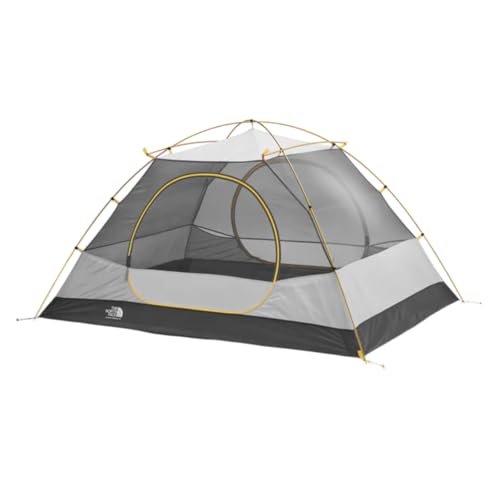
As a classic three-person option, the Stormbreak 3 is built for making camping memories with its quick-pitch design and large doors that offer easy access and great views. It provides ample headroom and is designed to keep occupants cool and comfortable through intelligent airflow management.
The high-low ventilation openings are engineered for optimal airflow, circulating air effectively to reduce stuffiness. Practical features include mesh stuff pockets to hold the doors open while you set up camp, keeping the entryways clear. Twin-zip vestibules offer secure, dry storage for your backpacks and boots, giving you a worry-free night in the wild.
REI Co-op Half Dome SL 2+ Tent
The REI Co-op Half Dome SL 2+ is a fantastic balance of value, space, and weight. It’s known for its generous interior, often described as a “plus” size for two people, offering extra room for gear or a more comfortable sleeping arrangement. The design includes two large doors and vestibules, providing easy entry and exit for both occupants along with ample weather-protected storage.
Setup is straightforward with color-coded clips and poles, making it a great choice for both new and experienced campers. The materials are durable for the weight, and the ventilation system, including multiple vents and mostly mesh walls, does a good job of managing condensation. This tent is a reliable workhorse for a wide range of three-season conditions.
NEMO Hornet Elite 2 Ultralight Backpacking Tent
For gram-counters who refuse to compromise on livability, the NEMO Hornet Elite 2 is a top contender. It uses high-tech, lightweight materials to achieve an impressively low pack weight and volume, making it ideal for long-distance thru-hikes or fast-and-light missions. Despite its minimal weight, it still offers two doors and two vestibules for convenient access and storage.
NEMO’s unique Flybar volumizing pole structure creates more usable interior space at the head and foot areas. The tent body is primarily mesh for maximum ventilation and star-gazing opportunities on clear nights. If shaving ounces is your primary goal without resorting to a single-wall shelter, the Hornet Elite represents a pinnacle of engineered, lightweight design.
Marmot Tungsten UL 2P Tent with Footprint
The Marmot Tungsten UL offers a compelling mix of affordability, durability, and thoughtful features. It includes a footprint right in the box, adding immediate value and protection for the tent floor. The tent itself is built with weather-ready materials and a seam-taped full-coverage fly to keep you dry in rainy conditions.
Inside, the Tungsten UL feels spacious due to its near-vertical walls and generous headroom. It features Marmot’s intuitive “speed pitch” setup and organized interior pockets to keep small items from getting lost. The lamp shade pocket in the ceiling can diffuse the light from a headlamp, creating a pleasant ambient glow. This is a solid, all-around performer for the budget-conscious backpacker.
Kelty Late Start 2-Person Backpacking Tent
Designed with simplicity and ease of use in mind, the Kelty Late Start is an excellent entry-point into backpacking. It focuses on essential features that matter most: reliable weather protection, decent weight, and a straightforward setup. The pole structure is simple, and the clips attach easily to the poles, making it quick to assemble even in low light.
The tent provides good ventilation with its partial mesh body and includes a gear loft for overhead storage. The materials are durable for the price, and it comes with a compression stuff sack for easy packing. For newer backpackers or those who want a no-fuss, dependable shelter without a complex feature set, the Late Start is a very practical choice.
ALPS Mountaineering Lynx 2-Person Tent
The ALPS Mountaineering Lynx stands out as a remarkably sturdy and roomy tent for its category. It’s built with heavier-duty materials than many ultralight options, which translates to excellent durability and weather resistance for car campers or backpackers who don’t mind a little extra weight for increased robustness.
It features two doors and two vestibules, a luxury at this price point, providing great convenience and storage. The setup uses sturdy 7000-series aluminum poles and easy-to-use clips. With ample mesh for ventilation and a factory-sealed fly and floor, the Lynx delivers tremendous value and is built to handle many seasons of reliable use.
Buying Guide: How to Choose Your Three-Season Backpacking Tent
Picking the right three-season backpacking tent is a balance between comfort, weight, and durability. I’ve spent plenty of nights in tents that were too heavy, too cramped, or just plain wrong for the conditions, so I know what to look for now. The goal is to find a shelter that handles spring rains, summer bugs, and cool fall nights without weighing you down. Let’s break down the key things I consider.
First, and most critical for backpacking, is weight. You’ll see two numbers: packed weight (everything including stuff sacks and guylines) and trail weight (just the tent body, rainfly, and poles). I always plan using the packed weight because that’s what’s on my back. For a solo shelter, I aim for under 3 pounds. For two people, a tent in the 4 to 5-pound range is a solid target, which splits nicely between two packs.
Next is the design. Do you want a freestanding tent or a non-freestanding one? Freestanding tents, like classic dome designs, are super easy to pitch—just clip the body to the poles and you’re done. You can also pick them up and move them if you need to adjust your spot. Non-freestanding tents, like many trekking pole tents, use your hiking poles for setup. They’re significantly lighter but require more skill and good stakes to pitch properly. I recommend freestanding for beginners.
Ventilation is the secret to comfort. A good three-season tent needs ample mesh to reduce condensation, which is that annoying dampness inside your tent from your own breath. Look for a rainfly that has adjustable vents, especially near the top, and a body that’s mostly mesh. This creates a chimney effect, pulling moist air out. A tent that’s stuffy can make your gear wet and your night miserable.
Finally, think about space and livability. Check the floor dimensions and peak height. Can you both sit up without hitting your head? Is there enough room for your gear inside the vestibule(s)? I always check the minimum trail weight and packed size specs, but I also read reviews to see how people my size actually fit. A tent that saves ounces but feels like a coffin isn’t worth it if you’re stuck in a rainstorm for hours. Finding the best backpacking tent for three seasons means balancing these factors for your specific trips and priorities.
FAQ
What exactly does “three-season” mean for a tent?
Three-season tents are designed for spring, summer, and fall use. They prioritize ventilation, have ample mesh to manage condensation, and offer good rain protection. They are not built for the heavy snow loads or extreme winds of winter mountaineering. Their poles are lighter and they often have more mesh than a four-season tent. For most backpackers, a three-season tent is the perfect, versatile choice.
Is a two-person tent really big enough for two people?
This is a classic debate. A two-person tent will technically fit two sleeping pads, but it’s often a very cozy fit with little room for gear inside. Manufacturers’ capacity ratings are usually a best-case scenario. I always recommend sizing up if you want comfort. Many backpacking duos (myself included) opt for a three-person tent for two people. It gives you space to keep your packs inside during bad weather and just makes the experience more pleasant.
How important is a double-wall design?
For a three-season tent, I think it’s very important. A double-wall tent has a separate inner mesh body and a waterproof rainfly. This design is superior for reducing condensation because the moisture from your breath passes through the mesh and condenses on the inside of the fly, away from you and your gear. Single-wall tents, which are often lighter, use one waterproof layer and can struggle with condensation in humid conditions.
Do I need to buy a separate footprint?
You don’t need one, but I highly recommend it. A footprint is a custom-sized groundsheet that protects the tent floor from abrasion, moisture, and punctures. It extends the life of your expensive tent. Many tents offer an optional footprint from the manufacturer. You can also make your own from a lightweight sheet of Tyvek, which is a cheaper alternative. Just make sure it’s slightly smaller than the tent floor so it doesn’t channel rainwater underneath.
Can I use a three-season tent in mild winter conditions?
With caution, yes. For dry, cold nights with little wind or snow forecast, a sturdy three-season tent can work. However, you must be aware of its limits. They are not designed for snow accumulation on the roof or for severe wind storms. Ventilation becomes even more critical in cold weather to manage condensation. For anything beyond a dusting of snow or serious winter camping, a dedicated four-season tent is a much safer and warmer choice.