Choosing your first kite can be as exciting as it is confusing. With so many shapes, sizes, and styles on the market, beginners need a kite that is forgiving, easy to set up, and most importantly, fun to fly. The right kite will get you in the air quickly, building confidence and a love for the hobby without frustration.
This roundup focuses on kites specifically designed for new flyers. We’ve selected options that are stable in the air, simple to assemble, and durable enough to handle a few bumps. From classic single-line designs perfect for relaxed flying to more responsive dual-line models for those ready to learn tricks, here are eight excellent kites to start your adventure.
The Best Beginner Kites Available on Amazon
- Mint’s Colorful Life Delta Kite for Kids & Adults
- Prism Kite Technology Synapse 140 Dual-line Parafoil Kite
- Jazz 2.0 Dual-line Sport Kite, Aurora
- In the Breeze Rainbow Arch Kite (Single Line)
- Premier Kites Paradise Bird Kite (Single Line)
- Into the Wind Beetle Kite (Single Line)
- Best Delta Kite by Premier Kites (Single Line)
- HQ Symphony Beach 2.0 Single Line Parafoil Kite
Mint’s Colorful Life Delta Kite for Kids & Adults
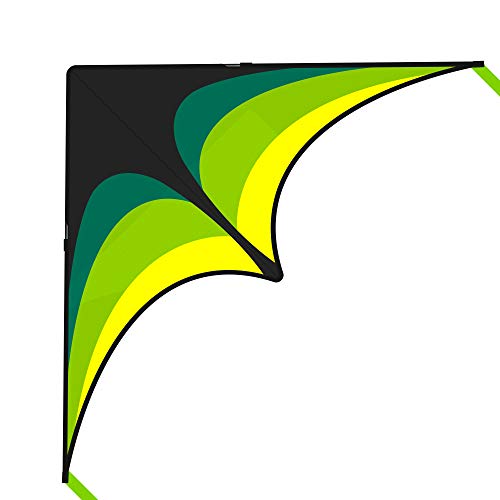
This kite is an outstanding choice for a first-time flying experience. Its classic delta shape is known for inherent stability, making it extremely easy to launch and keep in the air. The bright colors are not only fun but also make the kite highly visible against the sky.
Everything you need is included and ready to use right out of the package. With the ribbons already attached and a full 300 feet of string on a comfortable handle, you can be flying within minutes. It represents a very good value, providing a complete and reliable setup for beginners.
Prism Kite Technology Synapse 140 Dual-line Parafoil Kite

For beginners interested in dual-line flying, the Synapse 140 is an ideal starting point. This parafoil kite has no rigid rods or spars, so there are no parts to break or lose. Its soft design makes it durable and incredibly easy to pack down into a very small space, perfect for taking to the beach or park.
It offers a gentle introduction to two-line control, allowing you to learn basic maneuvers like spins and dives without being overly powerful. As your skills improve and the wind increases, this kite remains engaging and responsive, providing room to grow as a pilot.
Jazz 2.0 Dual-line Sport Kite, Aurora

The Jazz 2.0 is another excellent entry into the world of dual-line sport kites. It is designed to be speedy and responsive, yet it maintains a level of stability that is forgiving for new pilots. This balance helps students learn control without feeling overwhelmed.
It features a durable frame constructed from carbon and fiberglass, which provides a good blend of strength and flexibility. Like a good beginner kite should, it also folds down compactly for easy transport and comes with all necessary accessories, including lines, straps, and a storage bag.
In the Breeze Rainbow Arch Kite
This single-line arch kite offers a visually striking and stable flying experience. Its unique rainbow design creates a beautiful arc in the sky that is sure to draw attention. The arch shape is naturally stable in a range of winds, making it a reliable performer for beginners.
Flying a kite like this is about enjoying the spectacle and the relaxing nature of single-line flight. It’s a fantastic choice for family outings or anyone who wants a low-stress, high-reward kite that looks impressive with minimal effort.
Premier Kites Paradise Bird Kite
Add a touch of nature to the sky with the Paradise Bird Kite. This single-line kite features a detailed and colorful bird design that soars with realistic flair. Premier Kites is known for producing quality designs that fly well, and this model is built with beginner-friendly stability in mind.
It’s an engaging kite that combines art with flight, making it a memorable choice for both children and adults. The simple single-line control allows you to focus on watching the graceful bird shape dance in the breeze.
Into the Wind Beetle Kite
The Beetle Kite from Into the Wind is a unique and charming option for beginners. Its fun insect design is sure to be a hit, and the shape is engineered for steady and reliable flight. Single-line kites like this are perfect for learning the fundamentals of launch and wind management.
This kite demonstrates that beginner kites can be both easy to fly and full of character. It’s a great way to stand out at the park and enjoy a straightforward, satisfying flying session.
Best Delta Kite by Premier Kites
As the name suggests, this is a top-tier example of the classic delta wing design from a trusted manufacturer. Delta kites are renowned for their easy launch and solid performance in light to moderate winds, making them perhaps the most recommended style for novices.
Premier Kites’ build quality ensures this model is durable and designed to last. If you want a no-fuss, traditional kite experience from a reputable brand, this single-line delta is a very strong contender.
HQ Symphony Beach 2.0 Single Line Parafoil Kite
The Symphony Beach 2.0 is a soft parafoil kite that is incredibly simple to use. With no assembly required—just unfurl and fly—it offers maximum convenience. Its parachute-like design is durable and performs well at the beach or in open fields.
This kite is a fantastic “grab and go” option for spontaneous windy days. It packs away easily and is resistant to the moisture and sand often encountered at coastal areas, providing carefree fun for beginners of all ages.
Buying Guide: How to Choose the Best Kite on Amazon for Beginners
So, you want to get into kite flying? That’s awesome. I remember my first time trying to fly a kite; it was a disaster because I just grabbed the coolest-looking one. To save you from that frustration, let’s talk about what actually makes a great beginner kite. The goal is to get something in the air quickly and keep it there with minimal fuss, so you can actually enjoy the experience.
First, think about wind conditions. Where will you be flying most often? If you’re in a park with light, breezy days, you need a kite designed for low wind. These are often larger or have special designs to catch lighter air. For beach trips where it’s consistently windy, a more standard kite will work. Many beginner kites list their ideal wind range right on the package or in the Amazon description—pay close attention to this.
Next, ease of assembly and flight is non-negotiable. Look for kites that come pre-assembled or require minimal setup. The “easy fly” or “ready to fly” labels are your friends. A good beginner kite should have clear, simple instructions. I also highly recommend a kite with a durable frame (fiberglass rods are common and forgiving) and a ripstop nylon sail. This material is strong, lightweight, and can handle the inevitable crash or two into the ground.
Don’t overlook the line and reel. A kite that comes with a complete set, including a comfortable handle or winder and adequate line, is a huge plus. For starters, 50 to 100 feet of line is plenty. The handle should feel good in your hand, and the line should be strong but not so thin it cuts your fingers. Finally, consider the design and stability. Single-line delta kites or parafoils are fantastic first choices. Deltas are often triangular and stable in the air, while parafoils have no rigid rods at all (they inflate with wind), making them incredibly crash-resistant. Starting with one of these stable designs builds confidence fast.
When searching for the 8 best kite on Amazon for beginners, filter your search by these features: “beginner-friendly,” “easy to fly,” and “includes line & reel.” Read the reviews, especially the 3-star ones, to get a balanced view of any potential issues. Your first kite doesn’t need to be expensive or fancy; it needs to be reliable and fun. Getting that first successful launch and watching your kite climb is a fantastic feeling, and the right gear makes all the difference.
Frequently Asked Questions
What is the easiest type of kite for a beginner to fly?
In my experience, delta kites and parafoil kites are the top picks for new flyers. Delta kites have a triangular shape that’s naturally stable in the air—they don’t require constant adjustment. Parafoil kites are soft kites with no sticks; they fill with air to keep their shape. They’re virtually indestructible when they crash, which is perfect for learning. Both types are usually simple to set up and get into the air quickly, which is exactly what you want.
How much wind do I need to fly a beginner kite?
It really depends on the specific kite, but most beginner kites are designed for light to moderate winds, roughly between 5 and 15 miles per hour. You can feel a breeze on your face and see leaves rustling at the lower end. A great tip is to check the product details; reputable brands will list an ideal wind range. If it’s very gusty or windy above 20 mph, it’s often better to wait for calmer conditions, as strong winds can be tough to control and may damage a first kite.
Do I need to buy string separately, or do kites come with it?
This is a crucial detail to check before you click “buy.” Many, but not all, kites marketed to beginners come as a “complete set” or “ready to fly” (RTF). This means the kite, line, and a winder or handle are all included. It’s the best way to go for your first time. If the listing doesn’t explicitly say it includes line, you’ll likely need to purchase it separately. I always recommend getting a complete set to avoid any disappointment at the field.
What should I do if my kite keeps spinning or crashing?
Spinning and crashing are common beginner issues, and they’re usually fixable! If your kite spins in circles, it’s often a sign that the bridle (the set of strings connecting the kite to your flying line) is uneven. Check that both sides are equal in length. If it dives and crashes, you might be over-controlling. Try letting out more line in steady wind, and use small, gentle tugs on the line rather than big pulls. Also, ensure the tail (if it has one) is securely attached, as it provides needed stability.
Are the kites in the list of the 8 best kite on Amazon for beginners suitable for kids?
Absolutely. When I look for a good beginner kite, whether for an adult or a child, the principles are the same: durability, easy launch, and stable flight. The kites in a well-chosen beginner list should be perfect for supervised kids. Look for features like simple assembly, soft materials, and comfortable handles. The joy of getting a kite airborne is universal, and starting with a kite designed for beginners sets everyone up for a positive experience.
Can I fly a kite anywhere, or are there rules?
You can’t fly a kite just anywhere, and it’s important to be safe and legal. Always choose a wide-open space like a park, beach, or large field, far away from roads, airports, and power lines. Power lines are an extreme hazard. Some cities and parks have specific rules about kite flying, so a quick check online is a good idea. Also, be mindful of people and pets around you. A clear, open area is not only safer but also makes for much better flying.