When the temperature drops and the stars come out, a reliable cold-weather sleeping bag is the difference between a memorable adventure and a miserable night. Choosing the right one means balancing warmth, comfort, and packability for your specific needs, whether you’re car camping with the family or backpacking into the backcountry. This roundup cuts through the chill to highlight ten top-performing bags designed to keep you cozy and rested in frosty conditions.
From budget-friendly synthetic options to high-tech modular systems, there’s a perfect bag for every cold-weather sleeper. We’ve evaluated key factors like temperature rating, insulation type, size, and special features to help you find your ideal match. Read on to find the sleeping bag that will have you looking forward to bedtime, no matter how low the mercury falls.
Our Top Picks for Cold-Weather Sleeping Bags
- Teton Mammoth 20 Degree Double Sleeping Bag
- Coleman Palmetto 30⁰F Adult Sleeping Bag
- Teton Celsius Regular 0 Degree Sleeping Bag
- Klymit KSB Lightweight Mummy Sleeping Bag
- Coleman Dunnock 20°F Big ‘n Tall Sleeping Bag
- Teton Celsius XXL 0 Degree Sleeping Bag
- Coleman North Rim 0°F Big & Tall Sleeping Bag
- The North Face One Bag 5F / -15C 3-in-1 Insulated Sleeping Bag
- Marmot Trestles Elite Eco 20 Degree Synthetic Sleeping Bag
- Nemo Disco 15 Men’s Sleeping Bag
Teton Mammoth 20 Degree Double Sleeping Bag

Ideal for family camping or couples who want to share warmth, the Teton Mammoth is a spacious double sleeping bag built for comfort. Its queen-size dimensions provide ample room to spread out, and the soft poly-flannel lining feels cozy against the skin. The bag features dual-layer construction and a 20-degree Fahrenheit rating, making it a solid choice for cool-weather car camping and base camp use.
Practicality is a key strength. The bag unzips on both sides for easy entry and exit, and it includes a durable compression sack. Instead of struggling to roll it up, you simply stuff the bag into the sack from the bottom, making packing straightforward and hassle-free after a long day outdoors.
Coleman Palmetto 30⁰F Adult Sleeping Bag

The Coleman Palmetto is a reliable and affordable entry point for cool-weather camping. Rated for temperatures as low as 30 degrees Fahrenheit, it’s suited for spring, fall, and summer nights in the mountains. The soft tricot fiber blend liner provides comfort, while the snag-free zipper is a simple but appreciated feature that prevents frustrating jams.
This bag is designed for simplicity and ease of care. It fits campers up to 5 feet 11 inches tall and is completely machine washable, making post-trip cleanup easy. For the casual camper needing a straightforward, no-fuss bag for occasional use, the Palmetto offers dependable value.
Teton Celsius Regular 0 Degree Sleeping Bag

For campers facing near-freezing or below-freezing conditions, the Teton Celsius Regular offers serious warmth with a 0-degree Fahrenheit rating. Its mummy-style design with a half-circle hood helps retain heat efficiently around your head and shoulders. Inside, a soft poly-flannel lining and thoughtful construction provide a comfortable shelter from the cold.
The bag uses innovative fiber fill and double-layer construction, supported by draft tubes along the zipper to block heat loss. Like other Teton bags, it comes with a compression sack for easy packing. You stuff the bag in from the bottom and tighten the straps, eliminating the need for precise rolling.
Klymit KSB Lightweight Mummy Sleeping Bag

The Klymit KSB strikes a balance between warmth and weight, making it a strong contender for cold-weather backpacking. Its 20-degree Fahrenheit rating is backed by a hybrid insulation system: 650-power fill down on top for excellent warmth-to-weight ratio and synthetic batting on the bottom for moisture resistance and durability where it contacts the ground.
This mummy bag is designed for heat retention with a contoured hood, draft collar, and a built-out foot box for comfort. The thoughtful combination of down and synthetic materials aims to provide reliable warmth while managing weight and pack size, which is crucial for long hikes into the wilderness.
Coleman Dunnock 20°F Big ‘n Tall Sleeping Bag

Taller campers often struggle to find a bag that fits comfortably. The Coleman Dunnock solves this with a design that accommodates individuals up to 6 feet 4 inches tall. With a 20-degree Fahrenheit rating, it provides ample warmth for three-season camping, and the cotton flannel liner is notably soft and cozy.
The bag uses Fiberlock construction to prevent insulation from shifting, ensuring consistent warmth throughout the bag. The combination of a cotton cover and flannel liner prioritizes comfort and breathability. For a big and tall camper seeking a roomy, machine-washable bag for car camping, this is a practical option.
Teton Celsius XXL 0 Degree Sleeping Bag

The Teton Celsius XXL offers the same robust 0-degree Fahrenheit warmth as its regular counterpart but in a much more spacious cut. This is the bag for campers who feel restricted in traditional mummy bags or who simply prefer extra room to move while they sleep. It still includes the heat-retaining half-circle hood and soft poly-flannel lining.
Despite its larger size, it maintains the same warm features: innovative fiber fill, double-layer construction, and draft tubes. It also includes the convenient compression sack for packing. If you need maximum warmth for severe cold but cannot compromise on interior space, this XXL version is an excellent solution.
Coleman North Rim 0°F Big & Tall Sleeping Bag

Built for the coldest scenarios in this lineup, the Coleman North Rim is rated to a frigid 0 degrees Fahrenheit. Its mummy-style design is optimized for heat retention, featuring an adjustable hood that you can tighten for warmth or loosen for ventilation. The Thermolock draft tube is a key feature, running the length of the zipper to block heat escape.
This bag is also designed for larger frames, fitting campers up to 6 feet 2 inches tall. The combination of a severe cold rating, tall-person fit, and targeted thermal features makes it a serious shelter for winter camping expeditions or very cold climates.
The North Face One Bag 5F / -15C 3-in-1 Insulated Sleeping Bag
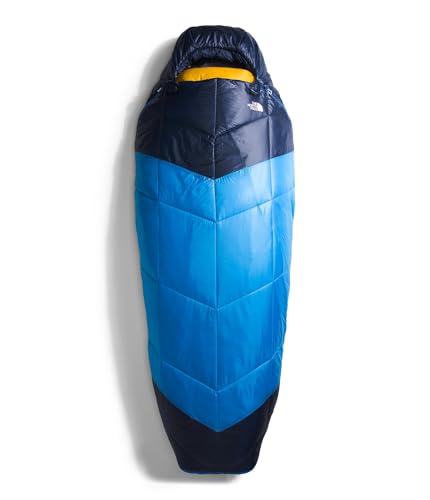
This is a premium, versatile sleep system for campers who face a wide range of conditions. The North Face One Bag features a patented 3-in-1 modular design. Its layers can be used separately in warmer weather or combined to provide warmth down to 5 degrees Fahrenheit, offering exceptional flexibility for multi-season adventures.
The system uses high-quality 800-fill recycled down and Heatseeker Eco insulation, providing an excellent warmth-to-weight ratio and reliable performance even in damp conditions. The recycled shell adds to its eco-conscious design. For the dedicated adventurer who values adaptability and top-tier materials, this system is a significant investment in comfort.
Marmot Trestles Elite Eco 20 Degree Synthetic Sleeping Bag

The Marmot Trestles Elite Eco is a high-performance synthetic bag ideal for damp climates where down insulation might struggle. Its 20-degree Fahrenheit rating is supported by efficient synthetic fill that retains warmth even when wet. The bag includes thoughtful design elements like an anatomic 3D footbox, which provides extra room and warmth for your feet.
Functionality is enhanced with a main zipper that has an anti-snag slider and a fold-down secondary zipper for ventilation and easy access. Built with eco-conscious materials, this bag is a smart choice for environmentally minded campers who need reliable, weather-resistant warmth.
Nemo Disco 15 Men’s Sleeping Bag
The Nemo Disco 15 is renowned for its unique “spoon” shape, which provides more room at the elbows and knees than a standard mummy bag without sacrificing thermal efficiency. With a 15-degree Fahrenheit rating, it offers solid warmth for three-season camping and even mild winter trips. This design is perfect for side sleepers or anyone who moves around during the night.
It features high-quality insulation, a waterproof breathable foot, and Nemo’s signature Thermo Gills—ventilation zippers that allow you to fine-tune your temperature without fully opening the bag. The attention to detail and focus on ergonomic comfort make the Disco 15 a favorite among backpackers who prioritize a good night’s sleep.
Buying Guide: How to Pick Your Cold Weather Sleeping Bag
Choosing the right sleeping bag for cold weather isn’t just about grabbing the warmest-looking one. If you get it wrong, you’re in for a miserable, shivering night. I’ve learned from plenty of trips that a few key specs make all the difference between sleeping soundly and counting ice crystals until dawn. Let’s break down what actually matters.
First, and most critical, is the temperature rating. This is the big number, like -10°F or 0°C, that tells you the bag’s limit. My rule is to always pick a bag rated for colder than the lowest temperature you expect. If the forecast says 20°F, I want a bag rated for at least 10°F. Ratings are based on a standard (EN or ISO), which is helpful, but remember they assume you’re wearing a base layer and using an insulated sleeping pad. Your personal metabolism matters too—if you’re always cold, go for an even lower temperature rating.
Next up is insulation type: down or synthetic. Down (goose or duck) is the king of warmth-for-weight and compressibility. It’s what I use for backpacking in the cold because it packs so small. But it loses all insulating power when wet and is pricey. Synthetic insulation is heavier and bulkier, but it costs less and, crucially, it will keep you warm even if it gets damp. It’s a fantastic choice for wet climates or if you’re on a tighter budget.
The shape of the bag is a big deal for warmth. Mummy bags are tapered and have a hood that snugly fits around your head. This design minimizes dead air space your body has to heat, making them the most efficient for extreme cold. Rectangular bags are roomier and more comfortable for moving around, but all that extra space means more air to warm up. For true winter conditions, a mummy cut is the way to go.
Finally, don’t ignore the features. A well-designed draft collar (a insulated tube around the neck) blocks heat from escaping. A quality zipper draft tube behind the main zipper stops cold spots. Look for a hood that cinches down comfortably around your face. The right sleeping bag is an investment in good sleep and safety, so taking the time to understand these details is the first step to finding one of the 10 best sleeping bags for cold weather for your needs.
Frequently Asked Questions
Can I use a three-season sleeping bag in winter if I wear extra clothes?
This is a common idea, but I don’t recommend it as a primary strategy. Sleeping bags are designed to trap the heat your body generates. Wearing bulky clothes inside can actually compress the bag’s insulation (especially down), reducing its loft and warmth. It’s better to have a bag with the proper temperature rating and use a thin, thermal base layer. Save the extra puffy jacket for around camp.
How do I care for and clean my cold weather sleeping bag?
Proper care extends its life dramatically. First, always use a sleeping bag liner—it adds a bit of warmth and keeps body oils and dirt off the insulation. For down bags, use a specific down cleaner in a front-loading washer (no agitator) on gentle, and dry it thoroughly with tennis balls in the dryer to re-loft the down. For synthetic, a gentle detergent works. Never store your bag compressed in its stuff sack; keep it in a large cotton storage sack or hang it in a closet.
What’s the difference between a “comfort” rating and a “limit” rating?
This is super important! Under the EN/ISO testing standard, a bag gets three ratings: Comfort (for a standard woman), Limit (for a standard man), and Extreme (survival, not comfort). The “Comfort” rating is the temperature at which a cold sleeper will feel comfortable. The “Limit” rating is where a warm sleeper might just about avoid shivering. When I shop, I look at the “Comfort” rating as my guide for a good night’s sleep.
Is a heavier sleeping bag always warmer?
Not necessarily. The warmth comes from the quality and amount of insulation, not just total weight. A premium 800-fill power down bag can be much lighter and warmer than a heavier bag with 600-fill down or a dense synthetic fill. Focus on the temperature rating and insulation type rather than weight alone. That said, for the same insulation type, more of it (which adds weight) will generally increase warmth.
Do I need a special sleeping pad for cold weather camping?
Absolutely, yes. Your sleeping bag’s insulation underneath you compresses, losing most of its warmth. A sleeping pad’s R-value measures its thermal resistance. For summer, an R-value of 2 might suffice. For winter, I wouldn’t go out with anything less than an R-value of 5. Many winter campers use two pads together. Pairing a high-R-value pad with one of the 10 best sleeping bags for cold weather is a non-negotiable system for staying warm.