Choosing the right charcoal is the secret to mastering your kettle grill. The fuel you use directly impacts heat control, cooking time, and the subtle smoky flavor infused into your food. With so many options from lump charcoal to briquettes, selecting the best one can feel overwhelming.
This roundup cuts through the confusion by highlighting eight top-performing charcoals specifically suited for kettle grills. We’ve evaluated them on burn time, heat output, flavor, and consistency to help you find the perfect match for your next backyard barbecue, whether you’re searing steaks or smoking low and slow.
The Best Charcoal Fuels for Your Kettle Grill
- Jealous Devil 100% All Natural Hardwood Lump Charcoal
- Cowboy Southern Style Hardwood Lump Charcoal
- Rockwood All-Natural Hardwood Lump Charcoal Mix
- Kingsford Original Charcoal Briquettes
- FOGO Super Premium Oak Hardwood Lump Charcoal
- Royal Oak Ridge Briquettes
- Weber 100% Hardwood Briquettes
- B&B Charcoal Competition Oak Lump Charcoal
Jealous Devil 100% All Natural Hardwood Lump Charcoal

Jealous Devil is a top choice for grillers seeking high heat and a clean burn. Made from incredibly dense South American hardwood, this lump charcoal is known for burning hotter and longer, which is ideal for achieving a perfect sear on meats in your kettle. Its 100% natural composition means no chemicals or fillers, so you get pure, earthy flavor without any unpleasant surprises.
The large, sturdy lumps are easy to arrange for two-zone cooking and light quickly, often ready in about 15 minutes. The bag itself is designed for practicality with a waterproof, dust-proof construction, a resealable top, and an integrated handle for easy transport and storage.
Cowboy Southern Style Hardwood Lump Charcoal
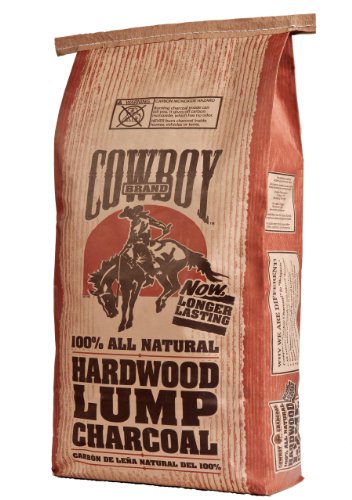
Cowboy Hardwood Lump Charcoal offers a classic, all-natural grilling experience. It’s made from 100% hardwood, providing a hot and fast burn that is excellent for searing and locking in juices. This charcoal is a straightforward, reliable option that works well for everyday grilling sessions on a kettle.
A significant benefit is that it lights effectively without the need for lighter fluid, promoting a cleaner taste. It’s a versatile fuel suitable for both direct high-heat cooking and longer, slower barbecue techniques when managed properly in the kettle’s charcoal baskets.
Rockwood All-Natural Hardwood Lump Charcoal Mix
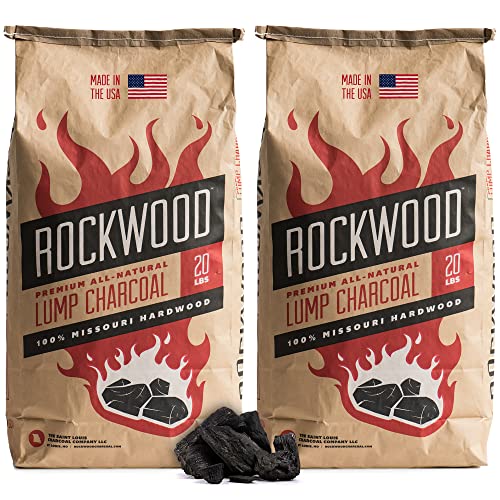
Rockwood brings a unique flavor profile to your grill with its blend of Missouri Oak, Hickory, Maple, and Pecan woods. This all-natural lump charcoal mix imparts a distinct, aromatic smoke that can enhance the taste of whatever you’re cooking, from poultry to vegetables.
The variety of hardwoods offers a complex smoke signature that is more nuanced than single-wood charcoals. It burns cleanly and efficiently, making it a favorite among enthusiasts who want to add a layer of wood-fired flavor to their kettle grill recipes without using separate wood chips.
Kingsford Original Charcoal Briquettes

Kingsford Original Briquettes are the iconic, reliable choice for consistent kettle grilling. Their uniform shape and size make them exceptionally easy to arrange and manage, providing predictable heat output and burn time. With Sure Fire Groove Technology, they light quickly and are often ready to cook in about 15 minutes.
Made with 100% natural ingredients and real wood, these briquettes offer a familiar charcoal flavor that has been a backyard staple for generations. They are a budget-friendly and widely available option perfect for casual cookouts, offering a consistent performance that is easy for any griller to master.
FOGO Super Premium Oak Hardwood Lump Charcoal

FOGO Super Premium is built for the serious griller who demands high performance. It features hand-selected, extra-large chunks of oak hardwood that burn significantly hotter and longer than many competitors. This makes it excellent for extended smoking sessions or for maintaining a blazing hot sear zone in your kettle.
The large piece size minimizes small fragments and dust, leading to better airflow and more efficient burning. You can expect a clean, robust hardwood flavor that complements meat perfectly, along with the reliability needed for competition-style barbecue or special weekend feasts.
Royal Oak Ridge Briquettes
Royal Oak Ridge Briquettes are designed to bridge the gap between traditional briquettes and lump charcoal. They are made with 100% natural hardwood, offering a cleaner burn and a more authentic wood-smoke flavor than standard briquettes that contain additives. Their unique ridged shape is engineered for faster lighting and improved airflow.
This design helps them light evenly and burn consistently, providing the easy management of a briquette with a flavor profile closer to lump charcoal. They are a strong option for kettle grill users who want longer, more stable burn times without sacrificing the quality of natural wood taste.
Weber 100% Hardwood Briquettes
Weber 100% Hardwood Briquettes bring the brand’s grilling expertise directly to your fuel. These briquettes are made from compressed hardwood, ensuring a pure, additive-free burn that produces authentic barbecue flavor. They are known for their remarkable consistency in size, heat output, and duration.
For kettle grill owners, this predictability translates to excellent heat control, whether you’re using the snake method for smoking or piling them high for direct grilling. They break apart cleanly and produce minimal ash compared to some traditional briquettes, making cleanup simpler.
B&B Charcoal Competition Oak Lump Charcoal
B&B Competition Oak Lump Charcoal is crafted to meet the high standards of championship pitmasters. It uses premium post oak, a wood highly regarded in Texas-style barbecue for its clean, mild smoke that doesn’t overpower food. The lumps are typically large and dense, promoting a long, steady burn ideal for low-and-slow cooking in a kettle.
This charcoal lights easily and burns hot with very little sparking or popping. It’s an excellent choice for grillers who want to practice serious barbecue techniques and appreciate a high-quality, single-origin hardwood fuel that delivers both performance and subtle flavor.
Buying Guide: How to Choose the Best Charcoal for Grilling in a Kettle
Choosing the right charcoal for your kettle grill isn’t just about grabbing the first bag you see. The type you pick directly affects your heat, flavor, and how long you can cook. I’ve spent a lot of time experimenting, and I can tell you that understanding a few key differences makes all the difference.
First, let’s talk about the big split: lump charcoal versus briquettes. Lump charcoal is pure, irregular pieces of charred wood. It lights fast, burns hotter, and gives you a clean, natural smoke flavor that’s fantastic for steaks and burgers. The downside? It burns out quicker and the inconsistent sizes can make temperature control a bit trickier. Briquettes are uniform pillows made from compressed charcoal dust and other binders. They are the champions of long, steady, predictable heat. If you’re planning a long smoke session on your kettle for something like pork shoulder, briquettes are often your best friend. For me, I keep both on hand and often even mix them.
Next, consider flavor. Basic charcoal will get the job done, but many brands now offer woods like hickory, mesquite, or oak infused into the briquettes or as the source wood for lump. This adds a subtle layer of flavor without needing separate wood chunks. If you want strong, specific smoke notes, you’re better off using pure lump or basic briquettes and adding a few wood chunks of your choice to the coals.
Finally, think about your priorities. Is a long, consistent burn most important? Look for high-quality hardwood briquettes. Do you want maximum heat and a pure flavor? Go for a dense hardwood lump charcoal. I also always check for fillers. Some cheaper briquettes use a lot of fillers like limestone or sodium nitrate, which can leave more ash in your kettle and give food a chemical taste. A good rule is to read the ingredients; you want the list to be short and recognizable.
Your choice for the best charcoal for grilling in a kettle ultimately depends on what you’re cooking and your style. My advice? Start with a reputable brand of all-natural briquettes for control, then branch out into lump charcoal for high-heat searing. Having both options in your shed gives you the ultimate flexibility to tackle any recipe that comes your way.
FAQ
How much charcoal should I use in my kettle grill?
This depends entirely on what you’re cooking. For a standard two-zone setup (coals on one side for searing, the other side for indirect cooking), I fill a charcoal chimney about 3/4 full. That’s usually perfect for burgers, chicken, or a small roast. For low-and-slow smoking, I use the “Minion Method” or “Snake Method,” which involves arranging unlit briquettes in a ring and adding a small amount of lit charcoal to one end for a slow, hours-long burn. A full chimney is almost always too much for a 22-inch kettle unless you’re doing a massive, direct-heat cook.
Is it better to use a charcoal chimney or lighter fluid?
Use a chimney starter, every single time. It’s faster, safer, and doesn’t risk giving your food a chemical taste. I pour a little crumpled newspaper under mine, light it, and in about 15-20 minutes I have perfectly lit, ash-covered coals ready to dump. Lighter fluid can soak into briquettes and leave a residue that affects flavor. If you must use a fluid, look for natural options, but honestly, the chimney is a game-changer and one of the best investments you can make for your kettle.
Why does my charcoal burn out so fast in the kettle?
This usually comes down to two things: airflow and the charcoal type. Your bottom and top vents control oxygen. Wide-open vents mean a hot, fast burn. For longer cooks, once you reach your target temperature (say, 250°F), start closing the vents down gradually to about a quarter open to slow the burn. Also, lump charcoal naturally burns hotter and faster than briquettes. If you need a long session, switch to a quality briquette designed for a steady burn.
Can I reuse partially burned charcoal from my last grill session?
Absolutely, and I do it all the time. Once I’m done grilling, I close all the vents on my kettle completely to snuff out the fire. The next time I grill, I just shake the grate to drop the old ash, pick out the big, unburned pieces of charcoal, and mix them in with fresh charcoal in the chimney. It’s a great way to save money and get your fire going a little quicker. Just make sure you’re not trying to reuse tiny, ashy fragments.
What’s the best way to control temperature in a kettle grill?
Temperature control is all about the dance between your fuel and your vents. Start by arranging your charcoal for the cook (pile it for direct heat, bank it to one side for two-zone). Light it and let the grill come up to a temperature about 25-50 degrees above your target. Then, use the vents. The bottom vent is your primary throttle—more open equals hotter. The top vent controls airflow and should usually be kept at least partially open. To lower the temp, close the bottom vent down bit by bit. It takes practice, but this method is the key to finding the best charcoal for grilling in a kettle experience, as you learn how your fuel reacts.