Duck hunting in cold water demands gear that can stand up to the elements without compromising on mobility or comfort. The right pair of waders is your first line of defense against icy water and biting winds, making the difference between a successful hunt and a miserable one. This roundup focuses on waders built for these harsh conditions, featuring heavy insulation, rugged construction, and proven waterproofing.
From traditional neoprene to modern breathable designs, the best cold-water waders balance warmth, durability, and fit. Whether you’re standing in a frozen marsh or navigating a chilly river, having reliable protection is non-negotiable. We’ve selected eight top options that hunters trust to keep them dry and focused on the hunt from first light to last call.
Top Cold Water Waders for Duck Hunters
- TIDEWE Chest Waders with 600G Insulation
- FROGG TOGGS Grand Refuge 2.0 Breathable Chest Wader
- TIDEWE 5mm Neoprene Waders with 1600G Boots
- LaCrosse Alphaburly Pro 3.5mm Insulated Waders
- Simms Freestone Stockingfoot Chest Wader
- Banded Redzone 5mm Neoprene Chest Wader
- Cabela’s Outfitter Series Zip-to-Toe Waders
- Hodgman Mackenzie Neoprene Wader with Felt Soles
TIDEWE Chest Waders with 600G Insulation
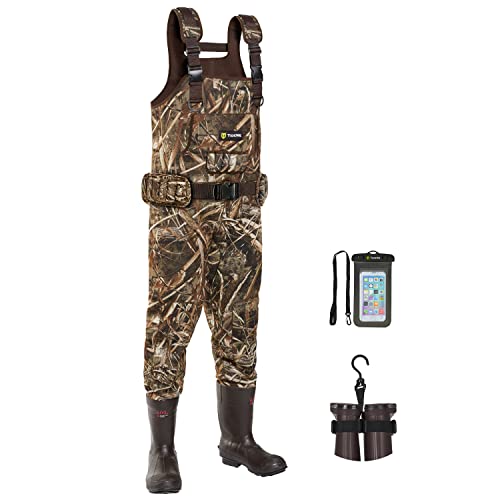
These TideWe chest waders provide a strong combination of warmth and durability for cold water hunting. The 600-gram insulation is supported by a 3.5mm neoprene upper and a tough poly/jersey shell, creating a barrier against the cold. The construction is designed for rough use in woods and waterways.
Reliable waterproofing is a key feature, achieved through armor weld double-stitched and sealed seams along with polyurethane-coated leggings. The cleated neoprene bootfoot offers solid traction, and the triple-finished seams add to the overall solid feel. It’s a practical choice for hunters who need dependable protection without excessive bulk.
FROGG TOGGS Grand Refuge 2.0 Breathable Chest Wader

The Frogg Toggs Grand Refuge 2.0 offers a versatile, multi-layer approach to cold weather wading. Its outer shell is a Teflon DWR-coated polyester that is waterproof, breathable, and abrasion-resistant. A significant benefit is the removable 120-gram Insul-Lite liner, allowing you to adjust your insulation based on the day’s conditions.
This design provides excellent adaptability for hunts where temperatures may fluctuate. The integrated boot is heavily insulated with 1,200 grams of Thinsulate, ensuring your feet stay warm in cold water. The cleated outsole provides the necessary grip for muddy and slippery environments, making it a smart option for variable late-season weather.
TIDEWE 5mm Neoprene Waders with 1600G Boots

For extreme cold water situations, this TideWe model delivers maximum insulation. The 5mm neoprene body offers excellent inherent warmth, while the boots feature a substantial 1400G or 1600G Thinsulation layer to trap heat. This combination is built for extended stands in icy water.
Durability is enhanced by a super tough cross-hatch facing on the exterior. The waders maintain a 100% waterproof guarantee through sealed seams and polyurethane-coated leggings. The rugged boot tread is designed for balance and traction on challenging surfaces, and the fleece-lined interior adds a layer of comfort directly against your skin.
LaCrosse Alphaburly Pro 3.5mm Insulated Waders
The LaCrosse Alphaburly Pro is a well-regarded name in hunting waders, known for its durable burly rubber construction. The 3.5mm neoprene is both flexible and insulating, allowing for a good range of motion while blocking cold. The bootfoot design is built to withstand abrasive environments like rocky shores and dense brush.
These waders feature a comfortable fit with reinforced knees and seat for extra durability in high-wear areas. The insulation is effective for a wide range of cold water temperatures. Hunters appreciate the reliable waterproof seal and the rugged outsole that provides stability in muddy conditions.
Simms Freestone Stockingfoot Chest Wader
The Simms Freestone offers a stockingfoot design, which allows hunters to pair the wader with their preferred insulated hunting boots for a customized fit and warmth level. This is a major advantage for those who already own quality cold-weather boots. The wader itself is made from durable, breathable fabric.
While lighter than neoprene, it is designed to be layered underneath with insulating clothing, providing adaptability for different conditions. It features reinforced lower legs and seams constructed with waterproof tape for reliable leak protection. This option is ideal for the hunter who values versatility and a precise boot fit.
Banded Redzone 5mm Neoprene Chest Wader
Built specifically for waterfowl hunters, the Banded Redzone wader uses a thick 5mm neoprene core to provide superior insulation in frigid water. The attached boot comes pre-insulated with 1200 grams of warmth, ensuring your feet are protected from the cold ground and water.
The design includes features like a waterproof zip-secure chest pocket and a durable, quiet exterior material suitable for the blind. The heavy-duty construction focuses on keeping you warm and dry during long, stationary hunts in late-season conditions where temperatures are at their lowest.
Cabela’s Outfitter Series Zip-to-Toe Waders
Cabela’s Outfitter Series waders feature a convenient zip-to-toe design, making them much easier to put on and take off, especially when wearing layers. They are constructed from breathable, waterproof fabric and are designed to be worn with insulating layers underneath for cold water use.
This system allows you to adjust your core warmth based on the day’s activity and temperature. The durable build includes reinforced knees and seat, and the integrated rugged boots provide solid insulation and traction. It’s a functional choice for hunters who prioritize easy entry and the ability to fine-tune their warmth.
Hodgman Mackenzie Neoprene Wader with Felt Soles
The Hodgman Mackenzie waders are a strong option for hunters who frequently encounter slick, rocky river bottoms. The key feature is the felt sole on the integrated boot, which provides exceptional grip on algae-covered rocks and logs. The wader is constructed from neoprene for reliable insulation.
This model balances warmth with the specialized traction needed for safety in moving water. The neoprene material is flexible and provides a good fit, while the reinforced stress points add to the wader’s overall lifespan. It’s a targeted solution for those hunting in rivers and streams with tricky footing.
Buying Guide: What to Look For in Cold Water Duck Hunting Waders
Let me tell you, standing in a frozen marsh at dawn is no joke. Your gear is the only thing between you and a miserable, early exit. When I’m picking out the best duck hunting waders for cold water, I don’t just look for something that keeps me dry. I need a fortress against the elements. The first thing I consider is insulation. Neoprene is the classic choice for a reason—it provides inherent warmth even when wet. For extreme cold, I look for layered options, like 5mm or 7mm neoprene, or breathable waders designed to be worn over thick, separate insulation layers. This gives me flexibility to match the day’s specific chill.
Next up is durability. I’m not walking on a manicured lawn. I’m busting through cattails, kneeling on stumps, and dragging myself into a layout blind. The material has to be tough. I check for reinforced knees and seats, often with Cordura or similar abrasion-resistant panels. The boot foot material is critical too; a rugged rubber compound with a deep-lugged sole for mud and ice is non-negotiable. I always inspect the stitching and seams. Fully taped or bonded seams are a must for preventing leaks in those critical stress points.
Finally, I think about the features that make a long, cold day manageable. A good, wide belt loop for a wader belt is a safety essential. Pockets are huge—I need a handwarmer pocket, preferably fleece-lined, and a large cargo pocket for shells and calls. The suspenders should be sturdy and adjustable. For breathable waders, the fit is paramount; they shouldn’t be baggy, as that creates air pockets that cool down. Remember, the goal is to stay out there as long as the ducks are flying, and the right pair of waders is your foundation. Investing in a quality pair from the start saves money and misery in the long run.
FAQ
Are neoprene or breathable waders better for cold water?
This is the big debate. For me, it depends on the type of cold. Neoprene is fantastic for wet, icy conditions where you’re in and out of the water constantly. It provides consistent insulation even when submerged. Breathable waders, when paired with a heavyweight insulating layer like fleece or wool, are better for dry-cold or highly active hunts where you might sweat. They excel at moving moisture away from your body. For the absolute coldest, sit-and-wait scenarios in deep water, I often lean towards thick neoprene.
How important is boot fit, and should I size up for socks?
Boot fit is everything. A boot that’s too tight will cut off circulation and make your feet cold faster than anything. I always size my wader boots to accommodate my heaviest pair of wool socks, with just a little room to wiggle my toes. However, “room” doesn’t mean “loose.” Your heel shouldn’t slip significantly, as that causes blisters. It’s a balance. If you’re between sizes, going up is usually the safer bet for cold weather comfort.
What’s the best way to patch a leak in my waders?
First, find the leak. Inflate the waders slightly or fill the legs with water and look for bubbles. For small pinholes in neoprene, a neoprene cement or aquaseal works perfectly. Clean and dry the area thoroughly first. For tears in breathable material, you’ll need a patch kit specific to that fabric, often using a glue-on patch. For seam leaks, a flexible seam sealant is required. I always keep a repair kit in my blind bag for field fixes.
Can I wear my cold-weather waders in early season?
You can, but you might regret it. Early season hunts are often warm. Wearing heavy 5mm neoprene will have you sweating profusely, which is uncomfortable and can lead to dehydration. If you only own one pair, a 3mm neoprene or a breathable system with a light layer is far more versatile. It’s worth having a lighter option if you hunt across seasons.
How do I care for my waders to make them last?
After every hunt, I rinse them off with fresh water, inside and out, to remove mud, silt, and sweat. I hang them to dry completely inside and out—never put them away damp. I store them in a cool, dark place, not folded tightly over a sharp edge. For neoprene, I avoid letting them dry in direct sunlight for long periods, as it can degrade the material. A little care goes a long way in getting multiple seasons out of your investment.