In the field, clear communication is not just convenient—it’s critical for safety and success. Whether signaling your position to fellow hunters, calling in game, or managing dogs, the right audible tool cuts through wind, distance, and dense cover. A reliable horn or call ensures your message is heard, preventing mishaps and increasing your effectiveness.
This roundup focuses on devices designed to project sound with authority. From traditional brass horns to modern pealess whistles and specialized game calls, each product offers distinct advantages for different hunting scenarios. We’ve evaluated them for volume, reliability, ease of use, and durability to help you find the best tool for clear signals on your next outing.
Top Hunting Horns and Signal Devices
- Liyafy Trumpet Brass Cavalry Bugle
- Fox 40 Classic CMG Pealess Safety Whistle
- ACME Tornado AIRFAST Whistle
- Buck Gardner Double Nasty Duck Call
- Flambeau Lohman Gold Series Goose Call
- Primos Hunting The Freak Horn Call
- Knight & Hale EZ Grunter Deer Call
- Haydel’s Double Reed Duck Call with Lanyard
Liyafy Trumpet Brass Cavalry Bugle
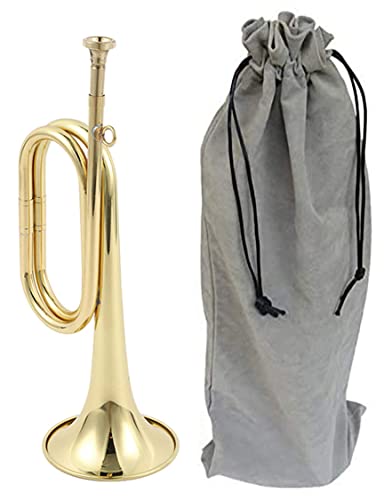
For a powerful, far-reaching signal with a traditional feel, the Liyafy Brass Cavalry Bugle is a standout. Its professional-grade brass construction delivers a rich, resonant tone that can carry over remarkable distances. This instrument is built for durability and provides a clear, authoritative blast ideal for signaling across large properties or rugged terrain.
While it requires more skill to operate than a simple whistle, the audible range and projection are exceptional. It serves not only as a functional signaling device but also as a durable piece of gear with a classic military and orchestral heritage. For hunters who need a non-electronic, highly penetrating sound, this bugle is a reliable choice.
Fox 40 Classic CMG Pealess Safety Whistle

The Fox 40 Classic CMG whistle is a benchmark for reliability in safety signaling. Its pealess design means there is no internal ball that can freeze or jam with moisture, making it functional in any weather condition. With a piercing output of 115 dB, this whistle cuts through ambient noise effectively for emergency situations or dog training.
The Cushion Mouth Grip (CMG) is a key feature, providing a secure and comfortable hold, especially for users who need to keep the whistle in their mouth while using their hands. It includes a breakaway lanyard for safe and convenient carry. For a simple, fail-safe, and extremely loud signaling tool, the Fox 40 is a proven option.
ACME Tornado AIRFAST Whistle

Engineered in the UK, the ACME Tornado AIRFAST whistle is built for professional-grade performance. It produces an intense 120 dBA high-pitch sound that is both loud and easy to blow, requiring minimal effort for maximum output. Like the Fox 40, its pealess AIRFAST mechanism ensures consistent operation in rain, cold, or wind.
This whistle is shatterproof and bite-resistant, constructed from durable BPA-free plastic. Its compact size and light weight make it easy to carry on a lanyard or in a pocket. Trusted by sports officials and marine safety personnel, the ACME Tornado offers exceptional reliability and volume for clear signaling in demanding environments.
Buck Gardner Double Nasty Duck Call
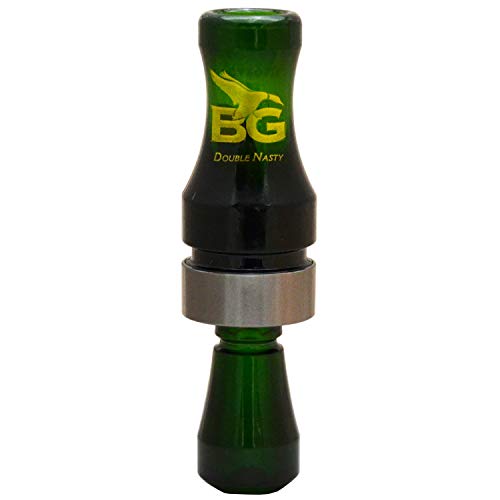
For waterfowl hunters, clear signals are about realistic calling. The Buck Gardner Double Nasty utilizes a double-reed system to create the raspy, authentic tones of live ducks. Its innovative Spit-Tech toneboard design is a major benefit, as it continues to perform reliably even when moisture builds up inside the call.
The call features a sturdy polycarbonate construction with a gunmetal aluminum band for added durability. It’s designed to be user-friendly, helping hunters produce convincing quacks, feeds, and comeback calls. This call turns your signal into an effective attractant, blending communication with game calling.
Flambeau Lohman Gold Series Goose Call
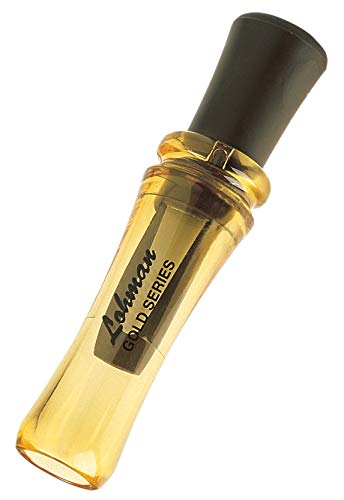
The Flambeau Lohman Goose Call is built to project the clear, realistic sounds of Canada geese over long distances. Its elongated, narrow barrel is designed to enrich the tones of clucks and honks as air passes through, much like the anatomy of a goose’s neck. This results in a convincing and far-reaching call.
This call is noted for being easy to control and operate, requiring minimal air pressure to produce sound. This allows hunters to focus on technique and rhythm rather than force. Whether you need loud honks or soft moans, this call provides the tonal adjustment needed for effective field communication with your flock.
Primos Hunting The Freak Horn Call
Primos Hunting’s “The Freak” is a horn-style call designed for maximum volume and versatility in the deer woods. It functions as a powerful grunt tube for emitting deep, resonant deer calls that carry well in timber, but its horn design also allows it to be used for general signaling. This dual-purpose capability is a significant advantage.
The horn amplifies the user’s voice or call sounds, making it effective for both mimicking game and communicating with hunting partners across a distance. Its design is typically rugged and built to withstand the rigors of the field. For hunters who want one tool that can handle game calling and audible signaling, this product is a strong contender.
Knight & Hale EZ Grunter Deer Call with Horn
The Knight & Hale EZ Grunter combines a simple-to-use grunt call with a horn amplifier. This system makes it easier for hunters of all skill levels to produce realistic deer grunts that are then projected loudly and clearly. The horn ensures the sound carries further than a standard mouth call alone.
This setup is excellent for clear signaling in two ways: first, for communicating with deer, and second, for providing a method to send a pre-agreed sound signal to a hunting partner. Its focus on ease of use means you can operate it quickly and reliably when the moment is right, without complicated techniques.
Haydel’s Double Reed Duck Call with Lanyard
Haydel’s Double Reed Duck Call offers consistent performance and clear sound projection for waterfowlers. The double reed design provides a rich, textured tone that is highly effective for attracting ducks. The included lanyard is a practical feature, keeping the call secure and readily accessible in the blind or marsh.
This call is crafted for durability and consistent sound quality. A clear, realistic duck call is a specialized form of signal that speaks directly to the game. By producing authentic quacks and feeding chuckles, this call helps you communicate effectively with the birds, drawing them into range.
Buying Guide: How to Choose the Best Hunting Horn for Clear Signals
Picking the right hunting horn isn’t just about tradition; it’s about communication and safety. When you’re miles from your truck or your buddy, a clear, loud signal is non-negotiable. I’ve used my fair share of horns over the years, and I can tell you that not all are created equal. The goal is to find a horn that fits your style and reliably cuts through the woods. Let’s talk about what actually matters when you’re looking for the best hunting horn for clear signals.
First, think about sound quality and volume. This is the whole point. You want a horn that produces a sharp, distinct note that carries over distance and through thick cover. Horns made from materials like brass or copper often have a richer, more resonant tone that travels farther than plastic. The length and shape of the horn’s bell also affect the sound. A longer, conical horn will typically have a deeper, more penetrating tone compared to a shorter, compact one. Consider where you hunt; dense forests might need a different pitch than open plains.
Next is durability and materials. Your horn will live in your pack, get rained on, and face temperature swings. A horn that cracks or corrodes is useless. Solid brass is a classic choice for a reason—it’s tough, develops a great patina, and sounds amazing. Stainless steel is another top contender for being nearly indestructible and rust-resistant. Some modern polymers are incredibly tough and lightweight, which is a huge plus if you’re counting every ounce. Check the seams and the mouthpiece; these are common failure points.
Finally, consider practical features. How does it attach to your gear? A good lanyard or a sturdy belt clip is essential so you don’t lose it in a moment of need. Think about the mouthpiece: is it comfortable? Some have a curved design that’s easier to blow for longer periods. Also, size and weight are big deals. A beautiful, massive antique horn might sound incredible, but if it’s too bulky to carry comfortably, you’ll leave it behind. The best hunting horn for clear signals is the one you’ll actually have on you when you need it. It should feel like a natural part of your kit, ready to send a message that can be heard loud and clear.
Frequently Asked Questions
Are hunting horns still practical with modern technology like radios?
Absolutely. While radios and cell phones are great, they have limitations. Batteries die, service is non-existent in deep woods, and channels can get crowded. A hunting horn requires no power, works in any weather, and its sound is universally understood as a signal in the hunting community. It’s a simple, reliable backup that never fails. I always carry one as my primary non-verbal signal device.
What’s the difference between a cow horn and a brass hunting horn?
The main differences are in material, sound, and maintenance. A traditional cow horn is lighter and has a raw, organic sound. It requires a bit more care to prevent drying and cracking. A brass horn is heavier, produces a louder and often clearer tone that carries farther, and is generally more durable and weather-resistant. For someone prioritizing a clear, far-reaching signal with minimal upkeep, brass is often the better choice.
How do I learn the proper signals to use with my horn?
There are common conventions, like one blast for “where are you?” or two for “come here,” but the most important thing is to establish a code with your hunting party before you head out. Agree on what signals mean “I’m okay,” “I need help,” or “I’ve got game down.” Practice them together so everyone recognizes the patterns. Consistency within your group is more critical than any universal standard.
Can a hunting horn scare away game?
It can, if used carelessly near your hunting spot. The key is to use it for communication when you are well away from the area where you expect game to be, like when moving to or from a stand, or signaling a partner across a ridge. For alerting a buddy you’re on your way back to camp, it’s perfect. Just be strategic about when and where you blow it to avoid spooking your quarry.
How do I maintain and clean my hunting horn?
It depends on the material. For metal horns like brass or stainless steel, a simple rinse with warm water and a thorough dry is usually enough. You can use a mild soap if needed. For brass, occasional polishing keeps it looking good. For natural animal horns, avoid soaking them. Wipe the exterior with a damp cloth and dry immediately. For the mouthpiece on any horn, occasional cleaning with a pipe cleaner or a cloth on a small stick helps keep it sanitary.