Overlanding is about freedom, exploration, and sleeping where the journey takes you. A rooftop tent is the perfect companion for this adventure, lifting you off the ground for better views, security, and comfort. With so many options available, from hard-shell clamshells to spacious soft-shell tents, choosing the right one is key to enhancing your experience.
Whether you need a rugged setup for a full-size truck or a sleek, aerodynamic tent for your SUV, this roundup covers a variety of top choices. We have evaluated tents based on durability, ease of setup, weather protection, and overall value to help you find your ideal mobile basecamp for the trails ahead.
Our Top Picks for Rooftop Tents
- Milliard Truck Tent (Standard 6.5ft Bed)
- SmittyBilt OVERLAND TENT FOLDED – SB2783
- Napier Backroadz Camo Truck Tent
- WildFinder Rooftop Tent Hard Shell
- Condor Overland 2 XL Air Hard-Shell Roof Top Tent
- SmittyBilt Overland GEN2 Tent XL – SB2683
- Thule Tepui Explorer Autana 3 Rooftop Tent
- Yakima SkyRise HD Medium Rooftop Tent
Milliard Truck Tent (Standard 6.5ft Bed)

This tent offers a clever solution for truck owners, converting your vehicle’s bed into a secure sleeping area. The sewn-in floor is a major benefit, keeping dirt and debris from the truck bed out of your sleeping space. It includes a rainfly for wet weather and features privacy shades on the mesh windows and door.
Setup is designed to be straightforward with a clear instruction manual, and the included carry bag makes transport and storage simple. It’s a practical and cost-effective entry point for overlanders who want to utilize their existing truck bed without a roof rack system.
SmittyBilt OVERLAND TENT FOLDED – SB2783
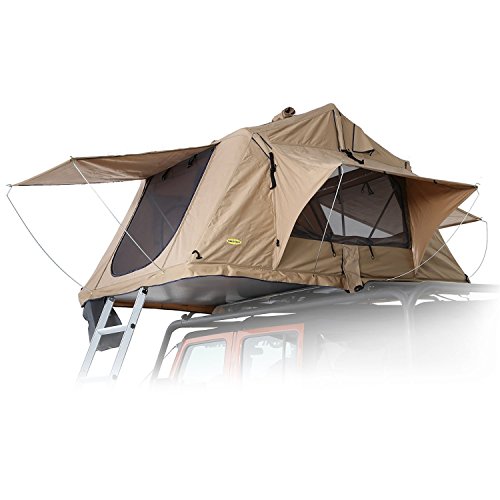
This soft-shell folding tent is a well-equipped option that comes with a high-density foam mattress included, supporting up to 661 pounds. The construction uses 600D heavy-duty waterproof material and includes a rain fly, sunroof, and mosquito netting on the windows for ventilation.
Additional conveniences like interior LED lighting strips and a telescopic ladder are part of the package. When packed away, the heavy-duty PVC cover protects the tent from UV rays and moisture, making it a durable choice for extended trips.
Napier Backroadz Camo Truck Tent

Built for pickup trucks, the Napier Backroadz tent features a full-coverage rainfly and reinforced taped seams for reliable weather protection. Storm flaps on the windows and door, along with nine adjustable straps, ensure a secure and stable fit to your vehicle in various conditions.
The color-coded pole system is a standout feature, allowing for a setup time under ten minutes. The camouflage pattern is ideal for hunters or those who prefer a low-profile look, making it a functional and discreet shelter.
WildFinder Rooftop Tent Hard Shell

This hard-shell tent is constructed from aircraft-grade aluminum alloy, providing a durable and weather-resistant structure that stands up to temperature changes. It uses a stainless steel gas strut system for smooth opening and closing, paired with a polyester fabric that is breathable and waterproof.
Comfort is addressed with a multi-layer sleep system. It includes a recessed marine pad to reduce humidity, a condensation pad, and a 5cm thick mattress. This focus on interior climate control and comfort makes it a strong contender for all-season use.
Condor Overland 2 XL Air Hard-Shell Roof Top Tent

Designed for extra space, this stamped aluminum hard-shell tent sleeps three to four people. Its fold-out design creates a large interior while maintaining a low aerodynamic profile when closed. The shell features locking latches and accessory channels for mounting additional gear.
It comes with a complete “Rest EZ Sleep System” that includes a self-inflating foam core air mattress, bamboo sheet set, and a blanket. The tent fabric is a 280GSM polycotton canvas with a 3000mm waterproof rating and a blackout coating for improved sleep.
SmittyBilt Overland GEN2 Tent XL

The SmittyBilt GEN2 XL is a spacious soft-shell tent with a king-size sleeping area, comfortably accommodating three to four campers. Its large open dimensions provide plenty of room to move around and store gear inside the tent.
As part of SmittyBilt’s well-regarded overland line, this tent is built for durability and frequent use. The generous size makes it an excellent choice for families or groups who need extra sleeping space without sacrificing the benefits of rooftop camping.
Thule Tepui Explorer Autana 3 Rooftop Tent
From the trusted Thule Tepui brand, the Explorer Autana 3 is a feature-rich soft-shell tent known for its reliability. It typically includes a built-in skylight for stargazing, a removable annex room for extra living space, and high-quality, breathable canvas.
This tent is engineered for three-season comfort and is a popular choice among overlanders for its thoughtful design and robust construction. The inclusion of an annex room is a significant advantage, creating a private changing area or additional storage space at ground level.
Yakima SkyRise HD Medium Rooftop Tent
The Yakima SkyRise HD Medium is built with a focus on durability and weather resistance, using high-density polyester and a robust frame. Its low-profile design when closed helps maintain vehicle fuel efficiency, and the setup process is streamlined for convenience.
Yakima’s reputation for quality roof rack systems extends to this tent, ensuring secure mounting and integration. It’s a solid mid-size option for two to three people, offering a balance of comfort, durability, and a sleek on-road appearance.
How to Choose the Best Rooftop Tent for Overlanding
Picking the right rooftop tent is a game-changer for your overland setup. I’ve learned that it’s not just about finding a bed for the night; it’s about finding a reliable, comfortable shelter that can handle the rigors of the trail. The best rooftop tents for overlanding balance durability, ease of use, and smart design. Let’s talk about what actually matters when you’re making this investment.
First, consider the tent’s construction and materials. You want a rugged, weather-resistant shell. Hard-shell tents, often made from fiberglass or aluminum, are fantastic for quick setup and better insulation. Soft-shell tents, typically made from heavy-duty canvas or polyester, often offer more interior space and can be more affordable. Look for a robust annex or awning attachment system if you want that extra living space. The mattress quality is huge for me; after a long day driving, a 3-inch foam pad is a lot better than a 2-inch one.
Next, think about the setup mechanism. Time is precious, and wrestling with a tent in bad weather or fading light is no fun. Hard-top tents usually pop up in under a minute. Soft-shell tents with a gas-strut assisted lift are also very fast. Avoid overly complicated designs with too many poles. Weight and vehicle compatibility are non-negotiable. Know your vehicle’s roof dynamic (driving) and static (parked) weight limits. The tent, plus you and your gear, must be under that dynamic limit for safe travel.
Finally, focus on the practical features for overlanding. A low profile when closed is better for fuel efficiency and low-hanging branches. Internal storage for bedding is a massive quality-of-life upgrade. Good ventilation with multiple windows and a rainfly that allows airflow is essential to avoid condensation. When I look at the 8 best rooftop tents for overlanding, I judge them on this exact checklist: can it survive the miles, set up fast, and let me sleep well so I’m ready for another day of adventure?
FAQ
How much weight can my vehicle’s roof handle?
This is the most critical question. You must check your vehicle’s manual for its specific roof load capacity, which includes dynamic (while moving) and static (when parked) limits. The dynamic limit is usually much lower. The total weight of the tent, crossbars, and any other gear up there must not exceed the dynamic limit for safe driving. Exceeding it can damage your roof and is a serious safety risk.
Are hard-shell or soft-shell tents better for overlanding?
Both have pros and cons, and the “best” choice depends on your priorities. Hard-shell tents are king for setup speed and aerodynamic profile, which helps with gas mileage. They’re also more secure. Soft-shell tents often give you more interior space for the money and may include a large annex. They can be heavier and take slightly longer to set up. For frequent, fast moves, I lean hard-shell. For basecamp-style trips, a soft-shell is great.
Can I leave my bedding inside the rooftop tent?
Most modern rooftop tents are designed for exactly this! It’s a major perk. High-quality tents will have a dedicated space or compression system to stash your sleeping bags, pillows, and sheets when you fold it down. This saves an incredible amount of time and hassle at camp. Just make sure everything is dry before packing it away to prevent mold.
How difficult is the initial installation?
Installing the tent onto your roof rack for the first time is generally a two-person job due to the weight and awkward size. It involves lifting the tent onto the roof, carefully aligning it with your crossbars, and bolting it down securely. Once it’s mounted, you typically don’t remove it for the season. The daily setup and takedown at camp, however, are designed to be a simple one-person task.
Do rooftop tents work in the winter?
Many do, but you need to pick the right one. Four-season tents with insulated fabrics, condensation control, and robust weather seals are necessary for serious cold-weather use. Your sleeping system (bag, pad) also needs to be rated for the temperatures. Remember, you’re elevated in the wind, so it can feel colder than ground camping. For most three-season overlanding, a standard tent is perfect, but if winter trips are your goal, seek out a specialized model.