Heading into the backcountry alone requires gear you can trust, starting with your shelter. A good one-person backpacking tent is more than just a place to sleep; it’s your refuge from weather, bugs, and fatigue after a long day on the trail. The ideal solo tent balances low weight, durability, and livable space, all while packing down small. From budget-friendly bivies to high-tech ultralight shelters, the right choice depends on your specific adventure style and priorities.
Whether you’re a minimalist thru-hiker counting every ounce or a weekend warrior seeking comfort and value, the market has a solo tent for you. This roundup features eight top-rated options, each with distinct strengths for different types of backpackers. We’ve analyzed key features like setup speed, weather protection, packed size, and specialized designs to help you find your perfect trailside home.
Our Top Picks for Solo Backpacking Tents
- Winterial Camping Tent, 1/3/6 Person Personal Lightweight Bivy
- Big Agnes Copper Spur HV UL1 Ultralight Bikepacking Tent
- NEMO Equipment Hornet Elite OSMO Ultralight Backpacking Tent
- MSR Hubba Hubba Bikepack 1 Person Bikepacking Tent
- XL 1-Person Camping Dome Tent, Lightweight Waterproof Backpacking Tent
- Sutekus Single Tent Camouflage Patterns Camping Tent One Person Tent
- Six Moon Designs Lunar Solo Backpacking Tent
- Tarptent Aeon Li 1-Person Ultralight Tent
Winterial Camping Tent, 1/3/6 Person Personal Lightweight Bivy
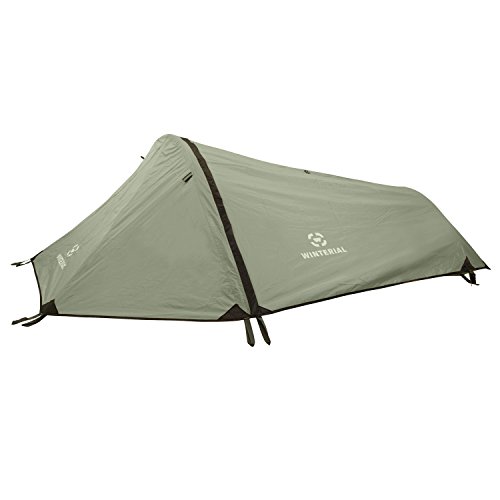
The Winterial One Person Tent is a versatile and budget-conscious choice for three-season adventures. Its simple two-pole design allows for a fast setup, getting you from pack to shelter in about five minutes. The full-coverage rainfly provides reliable waterproofing and insulation for cooler or wet conditions, while removing it offers excellent cross-ventilation on warm, clear nights.
Built with durability in mind, this tent features a waterproof floor, reinforced stitching, and all-metal poles and stakes. An internal storage pocket helps keep small essentials organized. It packs down into a compact carry bag, making it a practical option for general camping, hiking, and festivals where straightforward performance is key.
Big Agnes Copper Spur HV UL1 Ultralight Bikepacking Tent
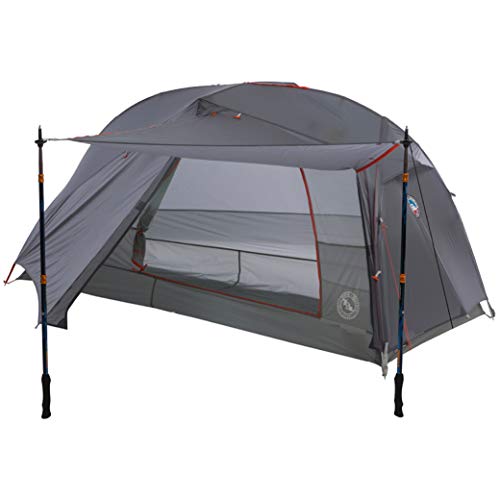
Designed for two-wheeled adventures, the Big Agnes Copper Spur HV UL1 Bikepack tent is a feature-rich shelter for cyclists. It includes a burly compression stuff sack with daisy-chain webbing for secure attachment to a bike frame, and its 12-inch pole segments are ideal for packing on handlebars or in panniers. The unique TipLok Tent Buckle simplifies setup by combining pole capture, rainfly attachment, and stake-out in one component.
Despite its bike-focused features, it retains the celebrated livability of the Copper Spur series. The high-volume pole architecture increases interior space and strength, while the double-ripstop fabric offers enhanced durability. With two doors and two vestibules, this solo tent provides exceptional organization and easy access for a single occupant.
NEMO Equipment Hornet Elite OSMO Ultralight Backpacking Tent

The NEMO Hornet Elite OSMO pushes the boundaries of ultralight materials with its high-performance fabric. The OSMO poly-nylon ripstop is made from recycled yarns, is PFAS-free, and offers significantly better water repellency with minimal stretch when wet. This results in a shelter that is both environmentally considerate and technically advanced for challenging conditions.
This tent is designed for the weight-conscious backpacker who refuses to sacrifice space or convenience. It includes generous doors and vestibules for easy entry and gear storage. The updated Divvy Cube stuff sack allows for efficient packing and the option to split the tent’s weight between components, a useful feature for solo hikers who want to balance their pack load.
MSR Hubba Hubba Bikepack 1 Person Bikepacking Tent

MSR adapts its legendary Hubba Hubba design specifically for bikepacking with this capable one-person model. The tent comes with a functional, waterproof handlebar bag that fits most bike styles, using removable spacers to clear cables. Like the Big Agnes option, it features extra-short DAC poles that pack easily onto a bicycle, making transportation seamless.
This tent is built for the rigors of road and trail travel, offering a reliable shelter at the end of a long ride. It maintains the weather protection and ventilation the Hubba series is known for, in a package optimized for the unique storage and space constraints faced by cyclists on multi-day trips.
XL 1-Person Camping Dome Tent, Lightweight Waterproof Backpacking Tent

This XL Dome Tent offers a balance of space, weather resistance, and value. Constructed from 190T polyester with a PU waterproof coating, it is designed to keep you dry in rainy conditions. The dome structure provides good stability and more headroom than a traditional bivy, creating a comfortable shelter for one person.
Weighing approximately 3.3 pounds, it is a manageable load for backpacking and other outdoor activities. The tent’s spacious interior and straightforward setup make it a suitable choice for campers who want a little extra room without a complicated assembly process, perfect for hiking, fishing, or beach trips.
Sutekus Single Tent Camouflage Patterns Camping Tent

The Sutekus Single Tent is a basic, functional shelter with a distinctive camouflage aesthetic. Its simple design includes two poles and four stakes for a quick setup. Made from 180D Oxford fabric, it prioritizes durability and is a straightforward option for casual camping and hiking trips.
This tent provides a compact, single-entry shelter for the solo adventurer on a budget. It includes a storage bag for easy transport and is best suited for fair-weather outings where minimal gear is preferred. The camouflage pattern may appeal to hunters or those who prefer a low-visibility campsite.
Six Moon Designs Lunar Solo Backpacking Tent
The Six Moon Designs Lunar Solo is a favorite among ultralight backpackers for its efficient use of space and weight. This single-wall, trekking-pole tent significantly reduces pack weight by utilizing your hiking poles for structure. The design creates a spacious interior for one person, with a large front vestibule for gear storage and cooking in poor weather.
Its hybrid single-wall construction includes strategic mesh panels for ventilation to reduce condensation. The Lunar Solo is an excellent choice for long-distance hikers and weight-savvy backpackers who are comfortable with a non-freestanding design and want maximum space for minimal weight in their pack.
Tarptent Aeon Li 1-Person Ultralight Tent
The Tarptent Aeon Li represents the pinnacle of ultralight shelter technology, constructed from Dyneema Composite Fabric (DCF). This material offers an exceptional strength-to-weight ratio, making the tent incredibly light and highly waterproof without any coating. It is a fully enclosed, trekking-pole-supported tent that provides robust protection from the elements.
Designed for serious alpine and long-distance use, the Aeon Li features a streamlined shape that handles wind well and includes strategic ventilation to manage airflow. For backpackers whose primary goal is to minimize base weight without compromising on stormworthiness, this tent is a top-tier investment.
Buying Guide: How to Choose Your 1-Person Backpacking Tent
Picking the right shelter is one of the most important gear decisions you’ll make. A good one-person backpacking tent is your home after a long day on the trail, protecting you from weather and bugs. But with so many options, it can feel overwhelming. I’ve spent a lot of nights in different shelters, and I focus on a few key things to narrow down the choice.
First, consider weight and packed size. This is the big one for backpacking. Every ounce counts when it’s on your back all day. Look at the trail weight (just the tent body, rainfly, and poles) and the packed dimensions. Can it fit vertically or horizontally in your pack? Ultralight tents often use thinner materials and minimalist designs to save weight, which is great, but might trade some durability or living space.
Next, think about the seasonality and weather protection. Most three-season tents are perfect for spring through fall, handling rain and wind well. If you often camp in exposed, windy places or might see late-season snow, look for a tent with robust poles, plenty of guy-out points, and a solid rainfly that goes close to the ground. Ventilation is also crucial to reduce condensation inside, so check for mesh panels and adjustable vents.
Finally, don’t ignore the livability. You’re just one person, but you still need space for you and your gear. Look at the floor dimensions – can you stretch out? Is there enough height at the peak to sit up comfortably? A vestibule is a game-changer; it’s a covered area outside the door to stash muddy boots and your pack, keeping the interior clean and dry. Setting it up should also be simple, especially if you’re tired or it’s getting dark. Practice in your yard first!
Balancing these factors—weight, protection, and space—will lead you to the best 1-person tent for your specific backpacking trips. It’s all about finding the right compromise for where you go and how you travel.
FAQ
Is a one-person tent actually big enough?
For most solo backpackers, yes, absolutely. They’re designed for one person plus their essential gear, either inside or in a vestibule. If you’re particularly tall or like a lot of extra space, you might look at “1+” person models or even consider a roomy two-person tent, knowing you’ll carry a bit more weight for that luxury.
How important is a double-wall design?
For most conditions, I prefer double-wall tents (a separate inner mesh body and rainfly). They significantly reduce condensation because moisture can escape through the mesh, and the fly provides the weather protection. Single-wall tents save weight but can struggle with condensation in humid or cold weather, making the interior feel damp.
Can I use a trekking pole tent if I don’t use trekking poles?
You can, but it requires buying dedicated poles from the tent manufacturer, which adds to the cost and weight you were trying to save. The whole point of those designs is to use the trekking poles you’re already carrying. If you don’t hike with poles, a traditional tent with included poles is often a simpler choice.
What’s a good weight for a backpacking tent?
This depends on your priorities. Many traditional three-season one-person tents weigh around 2.5 to 3.5 pounds. Ultralight models can get under 2 pounds. I think a good target for a balanced, full-featured tent is under 3 pounds. Remember to look at the minimum trail weight, not the packaged weight which includes stuff you might not always bring.
Are the more expensive ultralight tents worth it?
If you’re covering serious miles and every ounce matters, then yes, the investment can be worth the reduced fatigue. They often use premium, lightweight materials like Dyneema composite fabric. For casual or occasional backpackers, a mid-range tent offers better value and often more durability for the price. When searching for the 8 best 1-person tents for backpacking, you’ll see a range that reflects this trade-off.
How do I handle condensation in my tent?
Condensation is normal; you’re breathing out moisture all night. To manage it, always use all available vents, even in the rain. Pitch your tent in a breezy spot if possible (not a depression). Wipe down the walls in the morning with a small pack towel. A double-wall tent, as mentioned, is your best defense, as the condensation forms on the fly, not the mesh body you’re touching.