When temperatures plummet and the wind howls outside your tent, your sleeping bag becomes the most critical piece of gear in your pack. A high-quality down sleeping bag is an investment in warmth, comfort, and safety, using nature’s most efficient insulator to trap heat without excessive weight. The right bag can mean the difference between a restful night under the stars and a long, shivering ordeal.
Choosing the best one involves balancing temperature rating, fill power, weight, and features to match your specific cold-weather adventures. From ultralight backpacking models to expedition-ready survival bags, the market offers a solution for every winter enthusiast. This roundup highlights ten of the best down sleeping bags designed to keep you warm and secure when the mercury drops.
Our Top Picks for Cold-Weather Down Sleeping Bags
- Summit Down Sleeping Bag 0 Degree by Outdoor Vitals
- Hyke & Byke Quandary 15°F Cold Weather Mummy Sleeping Bag
- MARMOT Ironwood Mummy Sleeping Bag – 650 Fill Down
- AEGISMAX Light 2 Degree 800FP Goose Down Sleeping Bag
- Kelty Cosmic 20 Degree Sleeping Bag
- Teton Celsius XXL, 0 Degree Sleeping Bag
- Western Mountaineering Kodiak RZ Microfiber Sleeping Bag
- Big Agnes Torchlight UL (850 DownTek) Sleeping Bag
- Mountain Hardwear Bishop Pass Sleeping Bag: 30F Down
- The North Face Inferno -40F/-40C Sleeping Bag
Summit Down Sleeping Bag 0 Degree by Outdoor Vitals

For backpackers who count every ounce, the Summit Down Sleeping Bag is a top-tier choice. Its use of premium 800+ fill power hydrophobic down achieves an impressive sub-2-pound weight while maintaining a 0°F temperature rating. This HyperDry down treatment is a key feature, as it resists moisture from rain, snow, and condensation, helping the insulation retain loft and warmth even in damp conditions.
The bag employs a differential cut and generous sizing strategy. Instead of a restrictive mummy shape that compresses the down, this design provides enough room to prevent the sides from pressing against your body, maximizing the loft and thermal efficiency. This thoughtful construction ensures the down can fully expand to create the warmest possible air pockets around you.
Hyke & Byke Quandary 15°F Cold Weather Mummy Sleeping Bag
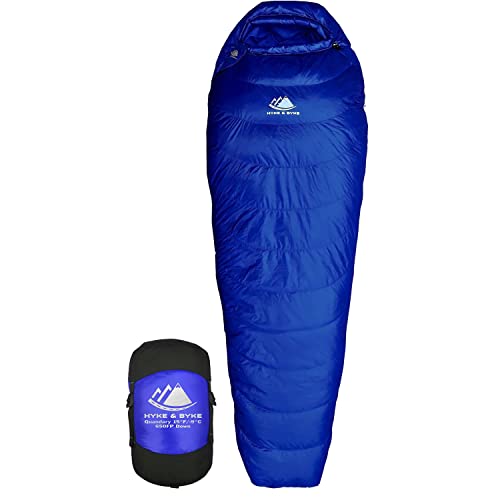
The Hyke & Byke Quandary offers exceptional value for a high-performance, three-season down bag. Rated to 15°F, it uses 650 fill power duck down that is naturally hydrophobic, paired with a water-repellent DWR-coated shell and water-resistant YKK zippers. This multi-layer defense helps manage moisture in cold and wet environments.
Fully baffled construction is a significant benefit, as it means there are no sewn-through seams that can create cold spots. The bag achieves a strong warmth-to-weight ratio, with the regular size weighing under 3 pounds. It compresses efficiently into its included stuff sack, making it a reliable and packable companion for extended backpacking trips where space is limited.
MARMOT Ironwood Mummy Sleeping Bag

The Marmot Ironwood is designed with sleep comfort as a priority. Its mummy shape includes an anatomically shaped footbox and extra room to stretch your feet, moving away from an overly restrictive fit. This focus on ergonomics helps ensure a more restful night, which is crucial after a long day on the trail.
It is EN tested for a 20°F rating and uses 650 fill power down treated with Marmot’s Down Defender for improved water resistance. Practical features include a snagless insulated draft tube, a full-length two-way YKK zipper with an anti-snag slider, and a zipper garage to protect your face. The ground-level side seams and adjustable hood drawcord offer fine-tuned heat regulation.
AEGISMAX Light 2 Degree 800FP Goose Down Sleeping Bag

The AEGISMAX Light sleeping bag is a compelling option for weight-conscious adventurers needing a very warm bag. With an 800 fill power goose down rating and a 2°F temperature limit, it provides serious warmth for its weight class. High fill power down offers excellent loft and compressibility, allowing it to pack down smaller than bags with lower-quality insulation.
This ultralight design is intended for backpacking and camping where every gram matters. The combination of a high-loft down and a lightweight shell fabric results in a bag that minimizes pack weight and volume without sacrificing critical warmth for cold-weather excursions, making it a favorite among gram-counting thru-hikers.
Kelty Cosmic 20 Degree Sleeping Bag

The Kelty Cosmic 20 is a widely respected entry-point into the world of quality down sleeping bags. It uses 550 fill DriDown, which is treated to be hydrophobic. This treatment helps the down resist moisture, maintain loft in damp conditions, and dry faster than untreated down, adding a layer of reliability for three-season use.
It includes user-friendly features like a full draft collar, a thermal comfort hood, and a natural fit foot box for comfort. The dual-slider locking zipper and anti-snag draft tube help manage drafts and prevent frustrating zipper jams. This bag represents a balanced mix of performance, durability, and value for casual campers and backpackers alike.
Teton Celsius XXL, 0 Degree Sleeping Bag

The Teton Celsius XXL is built for campers who prioritize roominess and comfort alongside warmth. Its generous cut provides plenty of space to move, and the soft poly-flannel lining adds a cozy feel against the skin. The half-circle mummy-style hood helps keep warmth in and your pillow clean.
Rated to 0°F, it uses a synthetic fiber fill in a double-layer construction with draft tubes to block cold air. While not a down bag, its inclusion here is due to its popularity as a cold-weather option. It comes with a durable compression sack, making the relatively larger bag easier to transport and store for car camping or cabin trips.
Western Mountaineering Kodiak RZ Microfiber Sleeping Bag
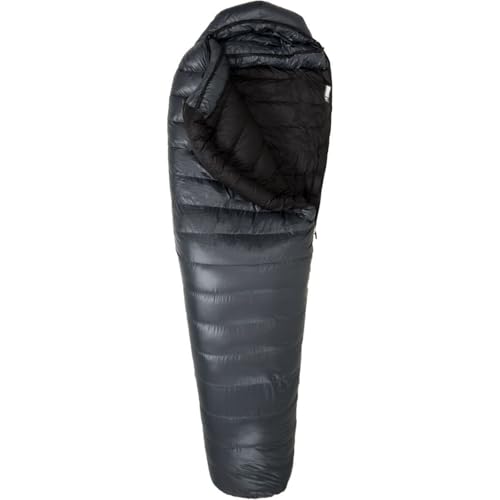
Western Mountaineering is synonymous with premium craftsmanship, and the Kodiak model is a serious cold-weather system. It features continuous baffle construction with a wide 5.25-inch spacing, allowing you to shift the down to customize warmth distribution based on the conditions and your personal needs.
The bag includes a full down collar for exceptional neck seal and heat retention. With generous shoulder and foot girth measurements, it is designed for comfort over long periods without sacrificing thermal efficiency. This bag is a tool for experienced mountaineers and winter campers who demand the highest performance and customization from their gear.
Big Agnes Torchlight UL (850 DownTek) Sleeping Bag

The Big Agnes Torchlight UL reimagines the mummy bag with its unique expandable side panels. These patent-pending zippered panels can add up to 10 inches of total girth, allowing you to customize the fit from a snug, heat-conserving shape to a roomier, more comfortable one. You can adjust the shoulder, hip, and footbox dimensions independently.
Built with 850-fill DownTek water-resistant down, it is ultralight and highly packable. The design includes a 3D anti-snag draft tube and an internal mesh stash pocket. This bag is ideal for backpackers who want the weight savings of a mummy bag but dislike the confined feeling, offering a versatile solution for different sleep styles.
Mountain Hardwear Bishop Pass Sleeping Bag
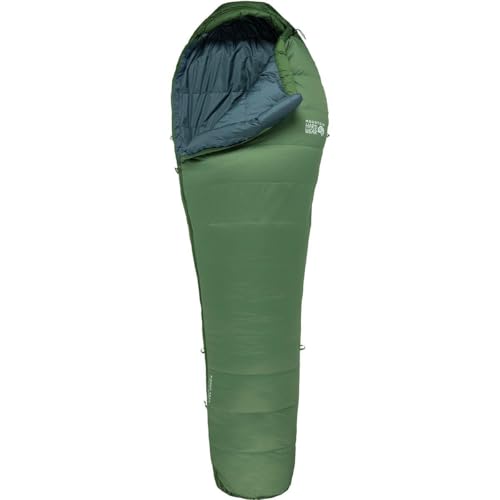
The Mountain Hardwear Bishop Pass is a reliable and straightforward 30°F bag for three-season adventures. It uses 650-fill down insulation, known for its durable warmth and good compressibility. The shell and lining fabrics are treated with a DWR finish to shed light moisture and enhance the bag’s overall weather resistance.
Its Performance Plus Mummy shape offers a balance between a weight-saving fit and comfortable room to move. This design, combined with quality materials, makes it a solid choice for backpackers and campers looking for a trusted brand name and dependable performance in cool-weather conditions without excessive weight.
The North Face Inferno -40F/-40C Sleeping Bag
For the most extreme conditions on the planet, The North Face Inferno sleeping bag is engineered as a protective fortress against cold. Rated to a staggering -40°F/-40°C, it is built for polar expeditions, high-altitude mountaineering, and survival scenarios where failure is not an option.
This bag will incorporate maximum lofting high-fill power down, a waterproof and breathable shell, and an anatomical design with strategic baffling to eliminate cold spots. Features like a insulated draft tube, a face-muffling draft collar, and a robust zipper system are all focused on creating a sealed microclimate. It represents the pinnacle of cold-weather sleeping bag technology for professional use.
Buying Guide: How to Choose the Best Down Sleeping Bag for Cold Weather
Picking the right down sleeping bag for cold weather is the difference between a cozy night and a miserable, shivering one. I’ve spent a lot of nights in the backcountry, and getting this choice right is non-negotiable. Let’s break down what actually matters so you can invest in a bag that keeps you warm.
First, you need to talk about temperature ratings. This is the most critical spec. A bag’s EN/ISO rating tells you the lowest temperature at which it will keep an average person warm. If you’re a cold sleeper like me, you should look for a bag rated at least 10°F colder than the lowest temperature you expect to face. For true winter camping, a bag rated between 0°F and -20°F is usually the sweet spot. Don’t just go by the brand’s “comfort” rating; look for the EN/ISO “Lower Limit” or “Comfort” rating for a reliable comparison.
Next, understand down fill. You’ll see two numbers: fill power and total fill weight. Fill power (like 650, 800, 900) measures the loftiness or insulating quality of the down. Higher fill power means better warmth for its weight and better compressibility. For a serious cold weather bag, I aim for 800-fill or higher. Fill weight, measured in ounces or grams, is the actual amount of down in the bag. More fill weight means more insulation. A great 0°F bag might have over 20 ounces of high-fill-power down. You need both high fill power and sufficient fill weight to battle the cold.
Then, consider the bag’s shape. Mummy bags are the standard for cold weather because they minimize empty space your body has to heat, maximizing efficiency. Look for a well-designed hood that cinches down snugly and a draft collar—that insulated tube around your neck—to stop heat from escaping. Features like a draft tube behind the zipper are small details that make a huge difference when the wind is howling.
Finally, think about the shell fabric. For wet or humid climates, a down sleeping bag with a water-resistant treatment on the down itself and the shell fabric is a smart move. It helps the down maintain its loft even if it gets damp. Also, check the overall weight and packed size if you’re carrying it far. The best down sleeping bags for cold weather strike a balance between robust warmth, weather resistance, and a packable size that won’t break your back on the trail.
FAQ
How do I care for and wash my down sleeping bag?
Always follow the manufacturer’s instructions first. Generally, use a front-loading washing machine (never a top-loader with an agitator) on a gentle cycle with a technical down-specific soap. Rinse thoroughly. Drying is the most important part: use a large dryer on low heat with clean tennis balls or dryer balls to break up clumps. It can take several hours to get it completely dry and fluffy. Never store it compressed in its stuff sack; keep it in a large cotton storage bag or hang it in a closet.
Is down or synthetic insulation better for cold, wet conditions?
This is the classic debate. Down offers superior warmth-for-weight and compressibility but loses its insulating power when wet. Modern down is often treated with a durable water-repellent (DWR) finish to combat moisture. Synthetic insulation retains more warmth when damp and dries faster, but it’s bulkier and heavier. For cold, wet weather, if you’re confident in your ability to keep your gear dry (using a quality tent and dry bags), a treated down bag is a great choice. If you expect constant dampness or immersion, a high-end synthetic might be safer.
What’s the difference between goose down and duck down?
Goose down generally has a higher average fill power than duck down, meaning the clusters are larger and loftier, providing more insulation per ounce. For premium, lightweight cold-weather bags, you’ll typically find high-fill-power goose down. Duck down is still an excellent insulator and is often used in great-value bags. The key is to look at the actual fill power number (e.g., 800-fill) rather than just the bird species, as high-quality duck down can outperform lower-grade goose down.
Can I use a liner to extend the temperature rating of my bag?
A liner can add a small amount of warmth, typically 5-15°F depending on the material (fleece, silk, or thermal). It’s a good strategy for stretching the range of your bag in borderline conditions. However, it’s not a magic fix. If your bag is rated for 20°F and you’re going into 0°F weather, a liner won’t bridge that gap. For extreme cold, you’re better off with a bag designed for that temperature. Liners are also fantastic for keeping the inside of your bag clean.
What does “EN/ISO” rating mean, and why is it important?
The EN (European Norm) or ISO (International Organization for Standardization) rating is a standardized test that measures a sleeping bag’s thermal performance. It provides four key temperatures: Upper Limit, Comfort, Transition, and Lower Limit. This standardization allows you to compare bags from different brands apples-to-apples. When looking for the 10 best down sleeping bags for cold weather, always check for an EN/ISO rating. It’s a far more reliable indicator of real-world performance than a manufacturer’s own, unstandardized rating.