Choosing the right life jacket is a non-negotiable part of responsible boating. It’s the most critical piece of safety gear on your vessel, designed to keep you afloat and provide vital protection in an emergency. With so many styles and approvals on the market, finding the perfect balance of safety, comfort, and activity-specific features can be challenging. This roundup highlights ten excellent options, from classic universal vests to specialized designs for paddling and fishing, to help you make an informed decision for your time on the water.
A proper life jacket should be U.S. Coast Guard-approved, fit snugly without restricting movement, and be suitable for your intended activity. Whether you need a vest for casual cruising, active watersports, or long days of kayak fishing, there is a model built for the task. The following products represent some of the best available, combining regulatory compliance with thoughtful design to ensure you stay safe and comfortable during all your aquatic adventures.
Our Recommended Life Jackets for Boaters
- Onyx MoveVent Dynamic Paddle Sports CGA Life Vest
- Stearns Adult Classic Series Life Vest, USCG Approved
- Airhead Adult Type II Life Jacket | US Coast Guard Approved
- O’Brien Women’s Impulse Neo Life Vest, Purple
- O’Neill Men’s Superlite USCG Life Vest
- Onyx MoveVent Dynamic Paddle Sports Life Vest, Aqua
- Stohlquist Edge PFD – Life Jacket, Kayak, SUP, Raft
- Astral V-Eight Fisher Life Jacket – High-Ventilation PFD
- Stearns Adult Classic Series Life Vest, USCG Approved Type III
- Mustang Survival MIT 100 Inflatable Belt Pack PFD
Onyx MoveVent Dynamic Paddle Sports CGA Life Vest

Designed specifically for paddlers, the Onyx MoveVent Dynamic vest prioritizes mobility and comfort for activities like kayaking and stand-up paddleboarding. Its sculpted soft foam construction conforms to your body, staying in place during vigorous activity without excessive bulk. The vest is approved by both the U.S. Coast Guard and Transport Canada, meeting high safety standards.
A key benefit is the enhanced ventilation system. Mesh panels in the front and back promote airflow to keep you cooler, while the mesh back panel is designed to accommodate most canoe and kayak seats for improved comfort. Adjustable side belts and shoulder straps allow you to fine-tune the fit, ensuring security and ease of movement on the water.
Stearns Adult Classic Series Life Vest
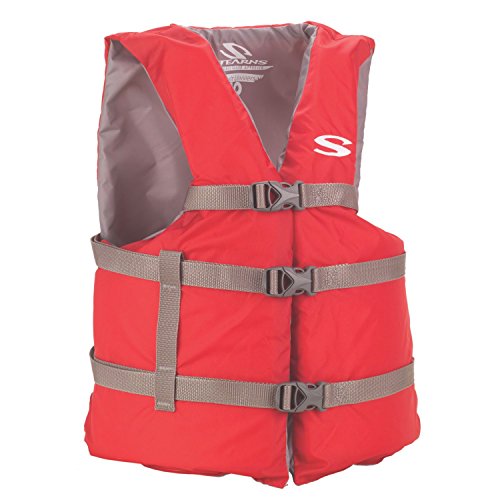
The Stearns Adult Classic Series is a reliable and widely trusted choice for general boating and water activities. Its USCG-approved Type III design provides the necessary flotation for calm inland waters where rescue is likely to be quick. This vest is built with a soft nylon shell and lightweight PE foam, offering a balance of durability and comfort.
This model is celebrated for its straightforward, universal fit. It’s an excellent option for having extra vests on board for guests or for use during swimming, tubing, and casual boating. The simple design makes it easy to put on and adjust, focusing on fundamental safety without complicated features.
Airhead Adult Type II Life Jacket
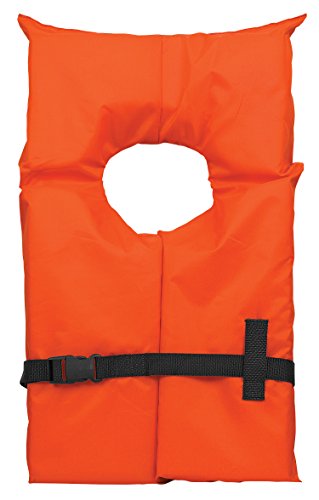
The Airhead Adult Type II life jacket is a USCG-approved device intended for use in calm inland waters. Its design offers more flotation than a Type III and is engineered to turn some unconscious wearers face-up in the water. The open-sided construction is a notable feature for improved ventilation.
This vest uses side-release buckles that are quick and simple to fasten, helping ensure a secure fit. The balance of safety, ease of use, and cooling airflow makes it a practical choice for general boating and passenger use where a higher level of buoyancy is preferred.
O’Brien Women’s Impulse Neo Life Vest
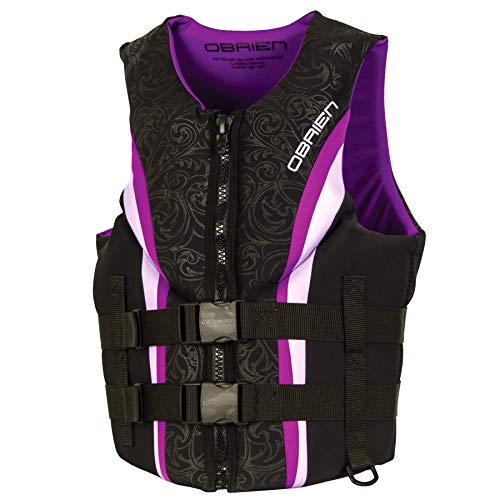
Specifically tailored for women, the O’Brien Impulse Neo life vest provides a contoured fit that complements the female form. It is constructed from premium neoprene and rugged nylon with lightweight foam, aiming for both durability and comfort. The design helps prevent the vest from riding up, which is a common concern.
Beyond safety, this vest focuses on a snug and stylish fit that doesn’t sacrifice mobility. The materials and shaping are intended to make it comfortable for all-day wear during boating, waterskiing, or other water sports, providing women with a dedicated option that prioritizes both security and fit.
O’Neill Men’s Superlite USCG Life Vest

The O’Neill Men’s Superlite is a USCG-approved Type III vest built for active water sports. Its minimal bulk design allows for a full range of motion, making it suitable for wakeboarding, waterskiing, and tubing. The vest is designed to fit snugly for safety, which is essential during high-impact activities.
This model emphasizes a low-profile feel without compromising on safety certification. The secure fit and reduced bulk help athletes perform without feeling overly restricted. It’s a strong choice for men who need a reliable life jacket that can keep up with dynamic movement on the water.
Onyx MoveVent Dynamic Paddle Sports Life Vest

This Onyx MoveVent model offers dual approval from the U.S. Coast Guard and Transport Canada, meeting stringent safety requirements. It shares the paddle-sport-focused design of its counterpart, with mesh ventilation panels in the front and back to maximize airflow and comfort during extended paddling sessions.
The adjustable side belts and shoulder straps, combined with comfortable neoprene fabric, allow for a customized fit. The sculpted foam is engineered to conform to your body and stay in position, which is particularly important for the repetitive motion of paddling a kayak or canoe.
Stohlquist Edge PFD
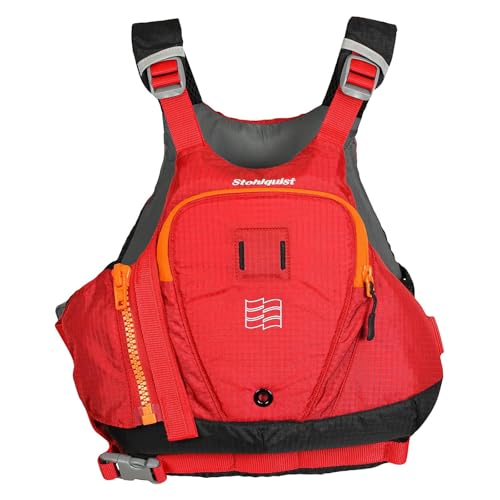
The Stohlquist Edge PFD is engineered for serious paddlers using kayaks, SUPs, rafts, and canoes. It features a durable ripstop shell with a fine nylon lining for comfort and long-lasting performance. The graded sizing is designed to provide a more contoured fit that enhances mobility on the water.
Its ergonomic WRAPTURE design is a key feature, intended to wrap the torso for a secure and comfortable fit that moves with the wearer. This design philosophy helps eliminate gaps and bulk, providing a high degree of comfort and optimal fit for touring and recreational paddling.
Astral V-Eight Fisher Life Jacket

The Astral V-Eight is a specialized USCG Type III PFD created for kayak anglers and touring paddlers. Its standout feature is the Airescape Airflow System, which promotes air circulation to reduce heat buildup and maintain a comfortable temperature during long days in the sun.
This vest is packed with angler-friendly storage solutions, including a pliers holster, easy-access slip pocket, a zippered pocket, and clipping points for gear. The high mesh back is also designed to fit comfortably with kayak seats, making it a highly functional choice for fishermen who need both safety and utility.
Stearns Adult Classic Series Life Vest

This Stearns Classic Series vest offers the same trusted, USCG-approved Type III safety and simple design as the earlier model. It is constructed with a soft nylon shell and lightweight PE flotation foam, providing reliable buoyancy for boating, swimming, and various water sports.
Its value lies in its versatility and ease of use. As a fundamental safety device, it serves as an excellent spare jacket for boats or a primary vest for those who prefer a no-frills, proven design. The focus remains on providing essential, comfortable flotation.
Mustang Survival MIT 100 Inflatable Belt Pack PFD
The Mustang Survival MIT 100 represents a different category of personal flotation device: the inflatable belt pack. This compact design is worn around the waist and can be manually inflated when needed, offering an extremely low-profile option for activities where traditional vests might be too bulky.
It is ideal for situations where the risk of falling overboard is low but having a safety device is still prudent, such as on large vessels or during certain fishing conditions. Its compact size makes it easy to wear without interference, providing a discreet yet powerful flotation solution when activated.
Buying Guide: How to Pick the Best Life Jacket for Boating
Picking the right life jacket isn’t just about checking a box for safety regulations; it’s about making sure you and your crew are actually going to wear the thing. A life jacket that sits in a locker because it’s uncomfortable is useless. I always start by looking at the type of boating I’m doing. For calm, inland waters, a simple Type II or Type III vest might be perfect. But if I’m heading out on rougher coastal waters or going offshore, I need the superior buoyancy and design of a Type I or a Type V with a hybrid or inflatable design.
The fit is absolutely non-negotiable. A life jacket that’s too big will float up around your ears, and one that’s too small won’t keep you properly afloat. I make sure to try it on over the clothes I’d normally wear on the water. I cinch all the straps snugly, then have a friend pull up on the shoulders. If it rides up past my chin or ears, it’s too big. For kids, fit is even more critical. I look for a jacket that’s specifically sized by weight, not just “child” or “youth,” and I check the label every season to ensure they haven’t outgrown it.
Beyond type and fit, I consider features that add comfort and function. Mesh panels help with breathability on hot days. Multiple adjustment points let me get a truly custom fit. For fishing, I look for pockets, D-rings for gear, and designs that don’t interfere with casting. High-visibility colors like neon yellow or orange are a smart choice for being seen in the water. And I never forget to check that the jacket is U.S. Coast Guard approved—it should have the approval stamp right on it. Ultimately, the best life jackets for boating are the ones you’ll forget you’re wearing until you need them. Taking the time to choose the right one is the most important trip preparation I do.
Frequently Asked Questions
What’s the difference between Type I, II, III, and V life jackets?
This classification system tells you about the jacket’s intended use and buoyancy. Type I jackets are for offshore, rough waters and offer the most buoyancy to turn an unconscious person face-up. Type II are for calmer, inland waters and offer less turning ability. Type III, the most common for recreational boating, are for conscious users in calm water and are designed for comfort and activity. Type V are special-use jackets, like inflatables or work vests, and must be worn to be counted. Your choice should match your typical water conditions.
How do I know if a life jacket fits correctly?
A proper fit is crucial. Put the life jacket on and fasten all straps. With the jacket fully secured, have someone gently pull up on the shoulder areas. If the jacket moves up excessively toward your face or over your chin, it’s too large. It should feel snug without restricting your breathing. For children, always use a jacket sized by their current weight, not age. Perform the “lift test” on kids frequently, as they grow quickly.
Are inflatable life jackets a good option?
Inflatable life jackets can be an excellent option for adults because they are less bulky and more comfortable to wear for long periods, which means you’re more likely to actually wear it. They are typically U.S. Coast Guard approved as Type V devices. It’s critical to remember they require regular maintenance—checking the CO2 cylinder and the inflator mechanism for corrosion—and they are not recommended for non-swimmers, rough waters, or for children.
How often should I replace my life jacket?
You should inspect your life jacket before every boating season. Look for signs of wear like frayed straps, torn fabric, or faded material. Check for waterlogged foam, which will feel heavy and less buoyant. If you find any damage, replace it immediately. Even with perfect care, the materials degrade over time. I consider replacing my foam life jackets every 5-10 years, depending on use and storage conditions. Always follow the manufacturer’s guidelines.
Can I use an old life jacket I found in my garage?
You can, but you must inspect it very carefully first. Check for the U.S. Coast Guard approval label to ensure it’s still a legal device. Examine all straps, zippers, and buckles for integrity. Press on the foam to ensure it’s still firm and not brittle or waterlogged. If it has any rips, mildew, or the foam is compromised, it’s not safe. When in doubt, buying a new, modern jacket is the safest investment for your time on the water.