When temperatures plummet, your sleeping bag becomes the most critical piece of gear in your pack. A true below-zero bag is engineered not just for comfort, but for survival, creating a reliable microclimate of warmth against the harsh elements. Choosing the right one depends on balancing factors like insulation type, weight, packability, and fit to match your specific cold-weather adventures.
This roundup focuses on sleeping bags rated for 0°F and below, designed for serious winter camping, mountaineering, or frigid nights under the stars. From ultralight down options for backpackers to robust synthetic bags for wet conditions and oversized models for maximum comfort, we’ve compiled a list of top performers to ensure you stay warm and secure when the mercury drops.
Our Top Picks for Extreme Cold Weather Sleeping Bags
- Hyke & Byke Eolus 0°F Goose Down Sleeping Bag
- Coleman North Rim 0°F Big & Tall Sleeping Bag
- Hyke & Byke Katahdin 0°F Synthetic Sleeping Bag
- Browning McKinley -30° Oversize Sleeping Bag
- Teton LEEF Lightweight Mummy Sleeping Bag 0F
- TETON Sports Celsius XXL -20F Sleeping Bag
- Coleman North Rim 0°F Cold-Weather Sleeping Bag
- MalloMe Extreme Cold Weather Sleeping Bag -20°F
Hyke & Byke Eolus 0°F Goose Down Sleeping Bag
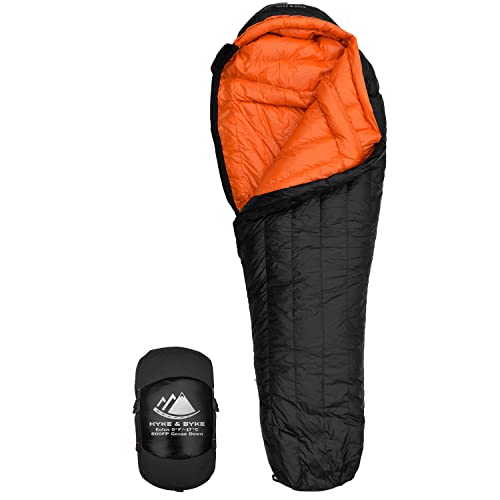
The Hyke & Byke Eolus is a high-performance mummy bag built for backpackers who need reliable warmth without excessive weight. Its 800 fill power hydrophobic goose down offers an excellent warmth-to-weight ratio, effectively trapping heat in temperatures as low as 0°F. The advanced ClusterLoft design and vertical baffles help prevent down shifting and eliminate cold spots.
This bag is constructed with durability and convenience in mind. It features a water-repellent 400T ripstop nylon shell, smooth YKK zippers with anti-snag sliders, and includes a compression stuff sack. The combination of premium materials and thoughtful design makes it a versatile choice for four-season hiking and backpacking where every ounce counts.
Coleman North Rim 0°F Big & Tall Sleeping Bag
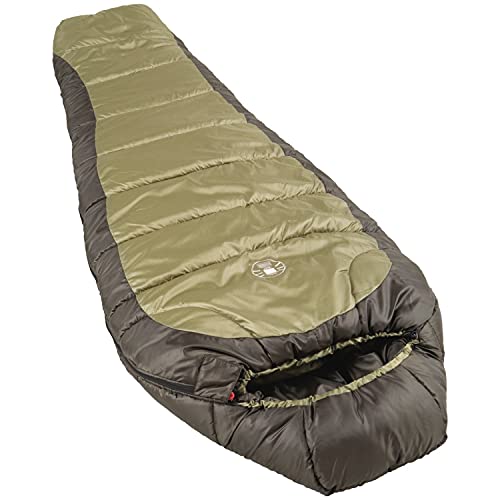
Designed for larger frames, the Coleman North Rim provides a comfortable mummy-style fit for individuals up to 6’2″. Its construction focuses on delivering dependable cold-weather performance with user-friendly features. The adjustable, semi-sculpted hood tightens with a drawstring to effectively seal in warmth around your head and neck, a critical feature for heat retention.
This bag is built for straightforward, no-fuss camping in low temperatures. The no-snag zipper system makes getting in and out easier, while the overall design prioritizes robust warmth for car camping or base camp scenarios. It’s a practical solution for campers who need a reliable, roomier bag rated for freezing conditions.
Hyke & Byke Katahdin 0°F Synthetic Sleeping Bag
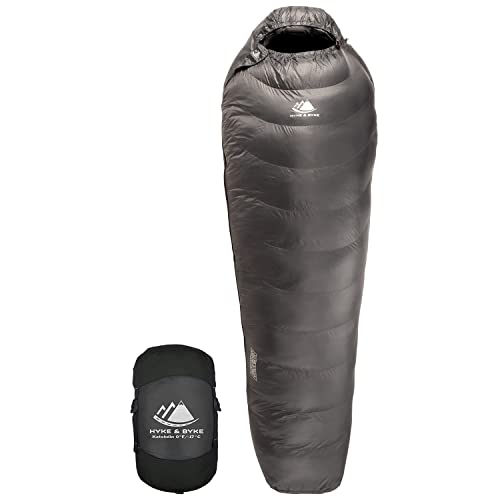
For those who prefer synthetic insulation or camp in damp climates, the Hyke & Byke Katahdin is a standout vegan option. It uses advanced ClusterLoft synthetic fibers rated at 625 fill power, which is engineered to perform warmer than traditional 600 FP down. This technology provides high loft and reliable warmth even if the insulation gets wet.
This bag maintains a lightweight, packable profile despite its synthetic fill, weighing just 3.54 lbs for the regular size. The water-resistant DWR coating on the 20D ripstop nylon fabric, combined with the inherent moisture resistance of the synthetic insulation, makes it a smart choice for humid or unpredictable weather where maintaining warmth in wet conditions is a priority.
Browning McKinley -30° Oversize Sleeping Bag

The Browning McKinley is built for extreme cold, with a -30°F rating that makes it suitable for the harshest winter expeditions. It uses TechLoft Silver insulation and a two-layer offset construction to thoroughly eliminate cold spots and provide consistent warmth throughout the bag. The rectangular shape offers more room to move than a traditional mummy design.
Comfort features are central to this bag’s design. It includes a large, insulated hood, separating zippers for ventilation options, and a soft brushed polyester liner for added comfort against the skin. This bag is ideal for campers who face sub-zero temperatures and prioritize maximum warmth and spacious comfort over compact packability.
Teton LEEF Lightweight Mummy Sleeping Bag 0F

The Teton LEEF mummy bag is engineered for cold-weather backpackers seeking a balance between warmth, weight, and comfort. Its roomier mummy cut allows for easier movement during the night compared to tighter-fitting bags, without adding unnecessary bulk. Efficient insulation technology helps it achieve its 0°F rating while remaining packable.
Included with the bag is a compression sack, which is essential for reducing its volume and fitting it into a backpack. The focus on a lightweight and compact design, combined with the reliable temperature rating, makes this bag a strong contender for multi-day hiking and camping trips in freezing conditions.
TETON Sports Celsius XXL -20F Sleeping Bag
The TETON Sports Celsius XXL is designed for campers who need serious cold-weather protection combined with extra space. Rated to -20°F, it is built for survival in deep winter conditions. The XXL sizing provides ample room for taller individuals or for those who simply prefer a less restrictive sleeping environment, which can be a significant comfort advantage on long trips.
This bag typically incorporates features like a full hood, draft tubes, and robust insulation to handle extreme temperatures. Its construction is aimed at car campers, winter base camps, or hunters who require maximum warmth and a roomy fit, and where the bag’s packed size is less of a concern than its performance.
Coleman North Rim 0°F Cold-Weather Sleeping Bag
Another variant in the trusted Coleman North Rim line, this 0°F sleeping bag is built for dependable performance in freezing conditions. Coleman’s design often emphasizes durability and user-friendly features that appeal to a wide range of campers. The mummy shape helps with heat retention, while features like an adjustable hood are focused on practical warmth.
This bag serves as a reliable and accessible option for occasional winter campers, scouts, or family camping trips where the forecast calls for cold nights. It represents a balance of essential cold-weather technology and value, providing the necessary protection without overly complex or specialized features.
MalloMe Extreme Cold Weather Sleeping Bag -20°F
The MalloMe Extreme Cold Weather Sleeping Bag is rated for temperatures as low as -20°F, targeting adventurers facing severe winter environments. It is typically constructed with high-loft insulation and a weather-resistant shell to block wind and moisture. The design often includes a contoured hood and a draft collar to keep warm air in and cold air out.
This bag is made for scenarios where extreme warmth is the non-negotiable top priority, such as ice fishing, mountain hunting, or winter survival camping. It is built to be a robust shield against the cold, focusing on maximum insulation and coverage to ensure safety and comfort in some of the most challenging conditions.
How to Choose a Below-Zero Sleeping Bag
Picking the right below-zero sleeping bag isn’t just about grabbing the warmest-looking one on the shelf. If you get it wrong, you’re in for a miserably cold night, or worse. I’ve learned from plenty of winter trips that a few key specs make all the difference between shivering and sleeping soundly. Let’s break down what actually matters when you’re shopping for serious cold-weather gear.
First, ignore the “season” rating and look straight at the temperature rating. For true below-zero conditions, you want a bag rated for at least -10°F to -20°F, or even lower. Remember, these are often survival ratings, not comfort ratings. I always choose a bag rated for at least 10 degrees colder than the lowest temperature I expect to face. The fill power is your next big clue. For down bags, a higher fill power (like 800 or 850) means better loft and warmth for its weight. For synthetic bags, look for advanced continuous filament fibers, which mimic down’s loft and handle moisture better than old-school polyester fills.
The shape of the bag is a huge factor in warmth. A mummy bag, with its snug fit and hood, is the go-to for extreme cold because it minimizes the air space your body has to heat. Semi-rectangular bags offer a bit more room to move but will be heavier and less efficient. Pay close attention to the draft collar and draft tube. A good, insulated collar around the neck and a full-length draft tube behind the zipper are non-negotiable features in my book for stopping cold air from sneaking in.
Finally, think about the practical stuff. Weight and packability matter a ton if you’re carrying it on your back. A high-loft down bag will pack smaller than a synthetic one, but it costs more and loses insulation if it gets wet. Speaking of wet, consider the shell fabric. A durable, water-resistant shell is a smart investment. Also, check the zipper quality—a snagging zipper at -10°F is a special kind of frustration. By focusing on these elements—temperature rating, fill, shape, and features—you’ll find a bag that truly meets the demands of the coldest nights. Getting the right gear is the first step to safely enjoying winter adventures.
Frequently Asked Questions
What’s the difference between a bag’s “comfort” rating and its “limit” or “survival” rating?
This is the most important thing to understand. The comfort rating is the temperature at which an average sleeper (usually a woman) will feel comfortable and not cold. The limit rating is where a cold sleeper (usually a man) might start to feel chilly and curl up. The extreme or survival rating is just that—the temperature at which you likely won’t get frostbite, but you definitely won’t be sleeping well. For choosing one of the 8 best below-zero sleeping bags for cold weather, I always look at the comfort rating as my baseline and then subtract another 10 degrees for a safety margin.
Down or synthetic fill for extreme cold?
For dry, extreme cold where weight and pack size are critical, high-quality down is the winner. It offers the best warmth-to-weight ratio and compressibility. However, if you expect persistent dampness, heavy snow, or are in a wet climate like the Pacific Northwest, a premium synthetic fill is more reliable. It retains much more of its insulating power when wet and dries faster. Modern synthetics have closed the gap significantly in performance.
How do I care for and store my expensive cold-weather sleeping bag?
Never store it compressed in its stuff sack! That permanently damages the loft. Always keep it in a large, breathable cotton storage sack or hang it in a closet. For cleaning, use a technical down or synthetic detergent in a front-loading washer (no agitator) on a gentle cycle, and always dry it on low heat with tennis balls to break up clumps. This process can take many hours. Spot cleaning is your best friend between major trips.
Should I get a sleeping bag liner for extra warmth?
Absolutely. A liner is a fantastic, versatile tool. A silk or lightweight fleece liner can add 5-15 degrees of warmth to your system. It also keeps the inside of your bag much cleaner, which means you can wash the liner frequently and only deep-clean the bag once in a blue moon. In summer, you can sometimes just use the liner on its own.
Is a sleeping pad really that important for warmth?
Yes, it’s half of your sleep system! Your sleeping bag’s insulation gets compressed underneath you, providing almost no warmth from below. Your pad provides the essential insulation between you and the frozen ground. For winter camping, I use an insulated inflatable pad with a high R-value (5.0 or above), often paired with a closed-cell foam pad for extra insurance and durability.