Every waterfowl hunter knows the mallard is the king of the ducks, and having the right call can make the difference between a slow morning and a full strap. A great mallard call needs to produce authentic hen sounds, from loud hail calls to soft feeding chuckles, and perform reliably in all conditions. With so many options on the market, choosing the best one for your style and skill level is a critical decision.
This roundup focuses on eight of the most effective and popular mallard duck calls available. We’ve selected calls known for their realistic sound, durability, and ease of use, whether you’re a beginner or a seasoned pro. From single-reed precision to multi-reed rasp, these calls are designed to help you speak the language of mallards with confidence.
Our Top Picks for Mallard Duck Calls
- Duck Commander Jase Robertson Pro Series Duck Call
- Duck Commander Classic Triple Threat Duck Call
- Haydel’s DR-85 Mallard Duck Call for Hunting
- Zink Calls Power Hen 2 (PH-2) Duck Game Call
- Buck Gardner Double Nasty II Duck Call
- Faulk’s Professional Duck Call – Double Reed
- Primos Hunting Hook Hunter Duck Call
- RNT Daisy Cutter Duck Call
Duck Commander Jase Robertson Pro Series Duck Call

Designed with input from one of the most recognizable names in duck hunting, the Jase Robertson Pro Series call aims for authentic sound and user-friendly operation. It is built to sound exactly like a mallard hen, providing the realistic tones that can convince wary birds. The call features a durable polycarbonate construction with a friction-fit design for consistent performance.
This single-reed call is noted for being exceptionally easy to blow, making it a strong option for hunters new to calling. It offers versatile performance with a piercing high end for long-range communication and a soft, raspy low end for close finishing work. Its reliable design and clear, authentic sound make it a dependable tool for various hunting situations.
Duck Commander Classic Triple Threat Duck Call
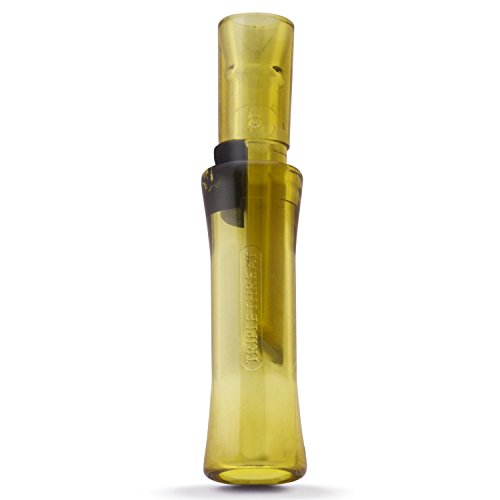
The Classic Triple Threat from Duck Commander is a staple for hunters seeking a nasally, raspy tone. Its triple-reed design is engineered to produce lifelike mallard hen sounds with less effort from the caller. The polycarbonate build ensures it can handle the rigors of the marsh and remain weather-resistant.
This call excels at creating the realistic, raspy tones that are highly effective for attracting mallards. The friction-fit style helps maintain tuning and makes it simple to use for both beginners and experienced hunters. It is specifically tuned for mallard hen sounds, providing a versatile tool to reach ducks at a distance.
Haydel’s DR-85 Mallard Duck Call for Hunting

Nicknamed “The Deceiver,” the Haydel’s DR-85 has earned a legendary reputation as a proven “meat call.” Its key feature is a fully adjustable floating wedge, allowing hunters to personally tune the call to their preferred sound and air pressure. This level of customization is rare and highly valued.
Hand-tuned by professional callers, the DR-85 is known for being very easy to blow, which accounts for its popularity across all skill levels. It is a double-reed call that performs reliably even when wet, a crucial factor in waterfowl hunting conditions. Its consistent performance and tunable design have made it a trusted choice for generations.
Zink Calls Power Hen 2 (PH-2) Duck Game Call
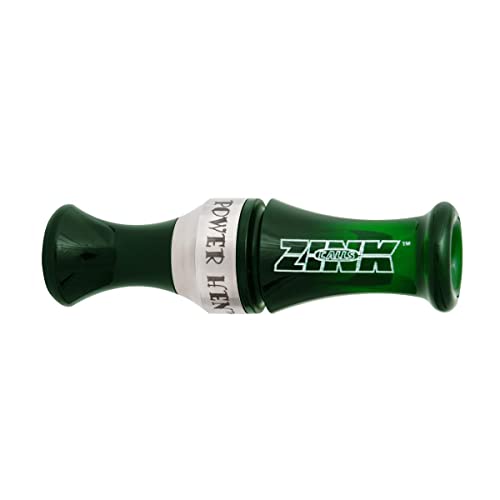
Zink Calls brings precision engineering to the marsh with the Power Hen-2. This polycarbonate call is machined with software that optimizes every cut for premium sound quality. It is a double-reed call designed to deliver the smooth mallard sounds hunters want, but with significant volume and an improved bottom-end feed chuckle.
A standout feature is the Z-cut, no-stick tone channel. This innovative design allows for a wide range of tones while virtually eliminating reed lock, a common issue where reeds stick together and mute the call. This results in a call that is both powerful and reliable, capable of producing clear notes in rapid succession.
Buck Gardner Double Nasty II Duck Call
The Buck Gardner Double Nasty II is built for hunters who need volume and rasp without sacrificing control. This call is engineered to produce loud, high-pitched hail calls that can reach distant birds, while still allowing for the softer tones needed for close-range work. Its design focuses on projection and authenticity.
Known for its durability and consistent performance, the Double Nasty II is a favorite among hunters who frequent large waters or windy conditions where a call must carry. It offers a distinct tone that cuts through the noise, making it an effective tool for getting the attention of mallards on the move.
Faulk’s Professional Duck Call
Faulk’s Professional Duck Call is a classic double-reed design that has been a trusted tool for decades. It is renowned for its simple, effective operation and the realistic mallard sounds it produces. Many hunters consider it a foundational call that is easy to learn on and effective in the field.
The call’s construction is straightforward and robust, built to last season after season. It provides a consistent, raspy hen tone that is highly effective for basic calling sequences. Its reliability and time-tested design make it a go-to choice for both novice hunters and those who prefer a no-frills, proven call.
Primos Hunting Hook Hunter Duck Call
The Primos Hook Hunter Duck Call is designed with input from expert callers to offer maximum versatility. It aims to provide a wide range of sounds, from soft feeding contentments to aggressive hail calls, all within one call. This flexibility allows a hunter to adapt to changing duck behavior quickly.
Its design often incorporates features to make calling easier, such as reed systems that reduce sticking and require less breath control. This makes it a strong option for hunters looking to improve their calling range without switching calls. The Hook Hunter is built to be a single, reliable tool for all phases of calling mallards.
RNT Daisy Cutter Duck Call
The RNT Daisy Cutter is a premium call known for its exceptional tone and craftsmanship. Often favored by experienced callers, it produces a rich, raspy sound that is incredibly lifelike. The attention to detail in its machining and tuning sets it apart in terms of sound quality.
This call typically offers excellent responsiveness, allowing for precise control over volume and inflection. While it may have a steeper learning curve, the level of realism it achieves is outstanding. For the hunter seeking a top-tier call that can produce the most convincing mallard sounds, the Daisy Cutter is a leading contender.
Buying Guide: Picking Your 8 Best Duck Call for Mallards
Let’s talk about picking a tool that can make or break your hunt: the mallard call. I’ve blown a lot of calls over the years, and trust me, not all are created equal. The “best” call is the one that works for you, right now, in your hands. So before you look at a list of the 8 best duck call for mallards, think about what you need from it.
First, consider the reed system. Single reeds are my go-to recommendation for most hunters, especially if you’re newer. They’re more forgiving, easier to blow, and produce a solid, realistic sound with less air pressure. Double and triple reeds are louder and can create a richer, raspier feed call, but they require more air and precise control. They can “break” or squeal if you’re not careful. I started with a single reed and still use one most days.
Next, look at the material. Acrylic calls are top-tier. They’re durable, weather-resistant, and produce a crisp, clear, and loud sound that cuts through wind. The downside is the price and the fact they can be a bit less forgiving. Polycarbonate and wood calls are fantastic options, too. Poly is tough and affordable, offering great sound at a friendlier cost. Wood calls, like those from walnut or cocobolo, have a warm, traditional tone that many hunters love, but they can be sensitive to moisture and require more care.
Finally, be honest about your skill level. Are you just getting your feet wet? Grab a user-friendly single reed. Have a few seasons under your belt and want more volume and rasp? A double reed might be your next step. The goal is to get a call you can operate consistently. A $300 custom call is useless if you can’t make it sound right. Go to a store if you can, put a few to your lips, and see what feels natural. The right call should feel like an extension of yourself, not a fight.
FAQ
What makes a mallard call different from other duck calls?
The sound profile is key. A mallard hen call, which is what most of us use, has a specific range of quacks, from the high-pitched greeting call to the low, rhythmic feed chuckle. The best calls for mallards are tuned to replicate these sounds accurately. While you can sometimes use a general “duck” call, a call designed specifically for mallards will give you more control over the tone and cadence that mallards respond to best.
How often should I clean and maintain my duck call?
More often than you think! After every hunt, especially if it was wet or muddy, I give mine a quick rinse with warm water and let it air dry completely. For a deeper clean, maybe once a season, I take it apart and use a call cleaning kit or a soft brush with mild soap. Never use harsh chemicals. For wood calls, a light coat of mineral oil on the exterior can help protect it. A clean call is a reliable call.
Is it better to start with an expensive call or a cheap one?
Start in the middle. A very cheap call often has poor sound quality and can be frustrating, teaching you bad habits. A very expensive, high-performance call is often less forgiving and harder for a beginner to control. I suggest looking at a mid-priced call from a reputable brand. These are designed to sound good and be user-friendly, giving you a real chance to learn properly. Once your technique is solid, you can decide if you need to upgrade.
Why does my call sound “raspy” or squeaky sometimes?
That’s usually a sign of a few things. First, check for dirt or debris on the reeds—give it a clean. Second, you might be blowing with too much or too little air pressure. It takes practice to find the sweet spot. Finally, if it’s a double or triple reed, the reeds might be out of alignment. You can gently adjust them with a toothpick, but go slow. A little rasp is good for feed calls, but a constant squeak means something’s off.
Can I use one call for all my duck hunting?
You absolutely can, and many hunters do. A versatile mallard call is a great single-call option because you can make the basic sounds that will attract a variety of puddle ducks. However, as you progress, you might want to add a specialty call. For example, a drake mallard whistle or a different call for divers like pintails. But when you’re building your kit, focusing on finding one of the 8 best duck call for mallards that you can blow well is the perfect place to start.