Staying safe on the water is non-negotiable, and the right adult life vest is your most important piece of gear. Whether you’re boating, paddling, or enjoying water sports, a properly fitted, US Coast Guard-approved life jacket provides essential buoyancy and peace of mind. With so many styles and designs available, selecting the perfect one for your activities can be a challenge.
This roundup highlights eight excellent life vests for adults, each suited for different needs and preferences. From classic universal designs to specialized vests for paddling and high-mobility options, these selections prioritize safety, comfort, and functionality to help you make an informed choice for your 2025 adventures.
Our Top Picks for Adult Life Vests
- Stearns Adult Classic Series Life Vest
- O’Neill Men’s Superlite USCG Life Vest
- Onyx MoveVent Dynamic Paddle Sports Life Vest
- Ninja PFD
- O’Brien Men’s Traditional Neoprene USCGA Life Jacket
- Stohlquist Men’s Edge Personal Flotation Device (PFD)
- Mustang Survival MIT 100 Inflatable Belt Pack PFD
- Astral V-Eight USCG Type III PFD for Kayaking & Canoeing
Stearns Adult Classic Series Life Vest
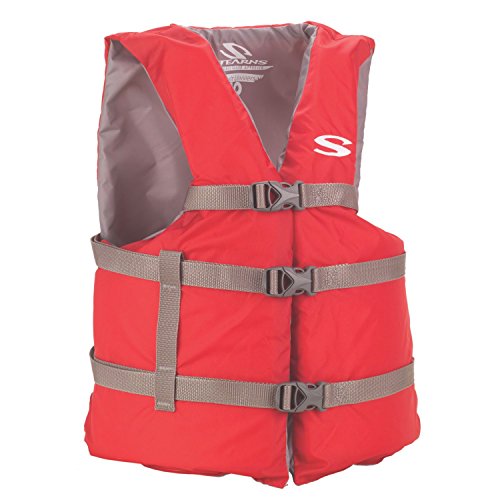
The Stearns Adult Classic Series is a reliable and versatile choice for general water use. Its US Coast Guard Type III approval makes it suitable for a wide range of activities, including boating, swimming, and casual watersports. The design focuses on straightforward functionality and dependable safety.
Constructed with a soft nylon shell and lightweight PE foam, this vest offers durable flotation without excessive bulk. It is available in both standard and oversized fits to accommodate different body types comfortably. For those seeking a no-fuss, proven life jacket that performs well in multiple scenarios, this model is an excellent option.
O’Neill Men’s Superlite USCG Life Vest

Designed for active wake sports, the O’Neill Superlite vest prioritizes mobility and a secure fit. Its minimal bulk design allows for full range of motion, which is important for activities like waterskiing and wakeboarding. The vest is built to feel snug for safety without restricting movement.
This USCG-approved Type III device emphasizes a proper, performance-oriented fit. It is crucial to measure according to the guidelines to ensure it functions correctly. The streamlined profile and secure strapping system make it a favorite for those who need a life vest that stays in place during dynamic movement on the water.
Onyx MoveVent Dynamic Paddle Sports Life Vest

The Onyx MoveVent is specifically engineered for paddlers, featuring dual approval from the U.S. Coast Guard and Transport Canada. Its standout feature is the superior ventilation provided by mesh panels in the front and back. This design greatly improves airflow and comfort, especially during long days in a kayak or canoe.
Comfort is further enhanced by a sculpted soft foam construction that conforms to your body. Adjustable side belts and shoulder straps allow for a personalized, secure fit that stays in place while paddling. The mesh back panel is also shaped to accommodate most canoe and kayak seats, reducing interference and increasing comfort.
Ninja PFD

The Ninja PFD focuses on providing an adaptable and highly comfortable fit through its Orbit Fit System. This technology is designed to offer a personalized feel that moves with the wearer. It represents a modern approach to life vest design, prioritizing a non-restrictive experience.
Built with NRS Every Body Design principles, it aims for a universal fit that works for various body types. The graded sizing helps ensure a more tailored feel compared to one-size-fits-all models. This vest is for those who value a contemporary design that emphasizes comfort and a precise fit for all-day wear on the water.
O’Brien Men’s Traditional Neoprene USCGA Life Jacket

The O’Brien Traditional life jacket combines a familiar neoprene construction with updated safety standards, holding both US Coast Guard and Transport Canada approval. The neoprene material offers a comfortable, flexible feel that many users prefer for its softness against the skin.
Adjustable straps and buckles provide a secure and customizable fit, helping the vest stay in place during activity. Made from premium materials, this jacket is built for durability and long-term use. It’s a solid choice for boaters and water sports enthusiasts who appreciate the classic feel of a neoprene life vest with modern compliance.
Stohlquist Men’s Edge Personal Flotation Device (PFD)
The Stohlquist Edge PFD is designed for the serious paddler who requires a balance of safety, mobility, and storage. It typically features a low-profile design that allows for unrestricted arm movement, which is essential for efficient kayaking or canoeing. The fit is often highly adjustable to secure the vest firmly without chafing.
Many models in this line include practical features like multiple pockets for storing essential gear, rescue harness compatibility, and easy-adjust straps. The foam placement is strategic to provide excellent flotation while remaining comfortable for long periods. This vest is a professional-grade option for those who spend extensive time on the water.
Mustang Survival MIT 100 Inflatable Belt Pack PFD
The Mustang Survival MIT 100 represents a different category of life vest: the inflatable belt pack. This design is prized for its extreme low profile and comfort when not activated, as it is worn like a belt around the waist. It is an excellent choice for activities where traditional foam vests might be too bulky, such as on sailboats or fishing boats.
In an emergency, it inflates manually or automatically upon water immersion to provide USCG-approved flotation. This type of device is ideal for conscious users who value maximum freedom of movement and are comfortable with the activation mechanism. It’s important to regularly maintain and check the inflation system.
Astral V-Eight USCG Type III PFD for Kayaking & Canoeing
The Astral V-Eight is a high-performance PFD built for dedicated kayakers and canoeists. It is known for its exceptional fit and range of motion, allowing for comfortable and powerful paddling strokes. The design often incorporates stretch panels and strategic foam segmentation to follow the body’s contours.
Beyond flotation, it usually includes thoughtful details like a large front pocket for quick-access items, a rescue harness attachment point, and tool loops. The materials are selected for quick drying and durability in demanding environments. For paddlers who view their PFD as essential, integrated gear, the V-Eight is a top-tier selection.
Buying Guide: How to Choose the Best Life Vest for Adults 2025
Picking the right life vest isn’t just about grabbing the first one you see. It’s about matching the gear to your activity and body so you can have fun and stay safe. I’ve learned that a bad fit or the wrong type can be more than just uncomfortable; it can be dangerous. So, let’s talk about what actually matters when you’re looking for your next personal flotation device (PFD).
First, know your type. The US Coast Guard categorizes PFDs into five types (I, II, III, V, and the rarely used IV). For most adult recreational activities like kayaking, paddleboarding, or boating, a Type III is your go-to. It’s designed for comfort and mobility in calm, inland waters where a quick rescue is likely. If you’re going offshore or into rougher conditions, you might need the greater buoyancy of a Type I or II. A Type V is a special-use vest, like a sailing harness or a manual-inflation belt, and it’s only approved when worn.
Fit is everything. A life vest that’s too loose will ride up over your chin when you’re in the water, which is pretty useless. Too tight, and you won’t wear it. To check the fit, put it on and adjust all the straps. Have a friend tug upward on the shoulder straps. If the vest moves up past your ears or chin, it’s too big. Make sure it’s snug but doesn’t restrict your breathing. Don’t guess your size; use the manufacturer’s chest-size chart, not your clothing size.
Think about your main activity. Are you fishing? Look for lots of pockets, D-rings for gear, and maybe a high-back design for a boat seat. Paddleboarding? A low-profile, highly flexible vest with large armholes is key. For watersports like wakeboarding, you’ll want a vest with extra padding for impact protection. Features like mesh panels for breathability, a rescue harness attachment point, or even integrated technology pockets can make a big difference in your day on the water.
Finally, consider the materials and upkeep. Inherently buoyant foam vests are reliable, require no maintenance, and are ready to go. Inflatable vests are super compact and comfortable but require you to check the CO2 cartridge and mechanism regularly. Whichever you choose, look for durable, UV-resistant outer fabric and robust buckles. Your life vest is a piece of safety equipment, so taking care of it matters. By focusing on type, fit, activity, and build, you’ll be well on your way to finding one of the best life vests for adults 2025 has to offer.
Frequently Asked Questions
What’s the difference between a life jacket and a life vest?
People often use these terms interchangeably, but there is a technical difference. A life jacket (like a Type I or II) is designed to turn an unconscious person face-up in the water. They tend to be bulkier. A life vest (typically a Type III) is for conscious users in calm water, offering more comfort and mobility for activities like paddling or boating. Both are US Coast Guard-approved PFDs, but they’re engineered for slightly different scenarios. For most adult recreational use, you’re probably looking at a Type III life vest.
How often should I replace my adult life vest?
There’s no strict expiration date, but you shouldn’t use one until it falls apart. I check mine at the start of every season. Look for signs of wear like faded color (which reduces visibility), frayed straps, broken or corroded buckles, or any punctures in the material. For foam vests, compress the foam to see if it bounces back; if it stays compressed or feels waterlogged, it’s lost buoyancy. For inflatables, follow the manufacturer’s service schedule for the CO2 mechanism, usually every 1-2 years. If it’s been in a serious incident or is over 10 years old, it’s smart to replace it.
Can I machine wash my life vest?
Usually, no. Throwing it in the washing machine or dryer can damage the buoyant foam, compromise seams, and ruin the integrity of the fabric. The best way to clean it is by hand. Use a mild soap, lukewarm water, and a soft brush on stubborn stains. Rinse it thoroughly to remove all soap residue, as soap can break down materials over time. Always air dry it completely in the shade, never in direct sunlight or with a heat source, as extreme heat can degrade the foam and fabric.
Are inflatable life vests safe for non-swimmers?
I would not recommend an inflatable vest for someone who cannot swim. Inflatables (Type V) require the wearer to manually pull a cord or, in some models, rely on a water-soluble bobbin to auto-inflate. A non-swimmer in a panic may not activate it properly. For non-swimmers, a traditional foam-filled Type II or III life vest is a much safer choice because it provides permanent, inherent buoyancy from the moment you enter the water. It’s always about having the right tool for the person and the job.
How tight should a life vest actually feel?
It should feel snug, not restrictive. When all the straps are adjusted, you should not be able to slide more than a flat hand between the vest and your chest. A great test is the “lift test.” Have someone grab the shoulders of the vest and pull straight up. If the vest slides up toward your chin or over your head, it’s too loose and needs to be tightened. It should stay in place. Remember, in the water, a loose vest can ride up and fail to keep your airway clear, which defeats the whole purpose.