For minimalist adventurers, a bivy sack is the ultimate shelter. Stripping camping down to its bare essentials, a good bivy provides critical protection from wind, rain, and dew while weighing mere ounces. It’s the preferred choice for alpine climbers, fastpackers, and any ultralight enthusiast looking to maximize mobility and minimize pack weight.
Choosing the right one depends on your mission. Options range from durable, breathable shelters for multi-day trips to compact emergency bivvies for survival kits. This roundup covers the spectrum, highlighting key features like weight, weatherproofing, and breathability to help you find your perfect minimalist shelter for the next mission.
Our Top Picks for Bivy Sacks
- Outdoor Research Helium Bivy
- SOL Escape Bivvy with Hood
- Snugpak Stratosphere 1 Person Bivvi Tent
- Emergency Sleeping Bag 3 Pack
- S.O.L. 90% Reflective Emergency Bivvy
- Black Diamond Twilight Bivy
- Alps Mountaineering Lynx 1-Person Bivy Sack
- Rab Ascent Bivy
Outdoor Research Helium Bivy
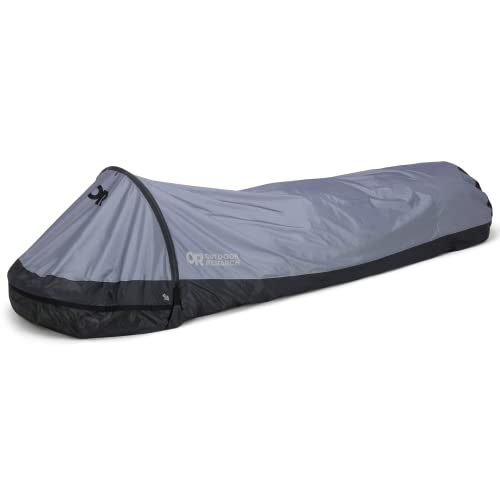
The Outdoor Research Helium Bivy is built for fast and light missions where every ounce counts. Its combination of nylon, TPU, and polyester creates a shelter that is impressively lightweight while remaining fully waterproof and breathable. This balance is critical for preventing internal condensation during a long night.
Durability is enhanced by a fully seam-taped construction, ensuring no moisture finds its way in. The practical clamshell opening design allows for easy entry and exit and provides ventilation options. It’s a reliable, minimalist shelter designed for the serious adventurer who prioritizes speed and efficiency.
SOL Escape Bivvy with Hood
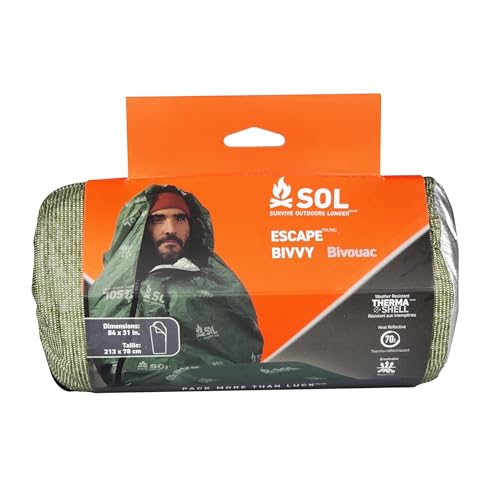
The SOL Escape Bivvy is a versatile piece designed for both emergency preparedness and intentional lightweight camping. Its proprietary ThermaShell fabric is water-resistant and breathable, actively working to block wind and precipitation while managing condensation. This makes it more comfortable for extended use than basic emergency blankets.
Weighing less than eight ounces, it packs down incredibly small. The tear-resistant material and thoughtful construction, including an integrated hood, make it suitable for rugged use during hiking or winter camping. It’s an excellent upgrade for any survival kit or a reliable standalone shelter for fair-weather fastpacking.
Snugpak Stratosphere 1 Person Bivvi Tent
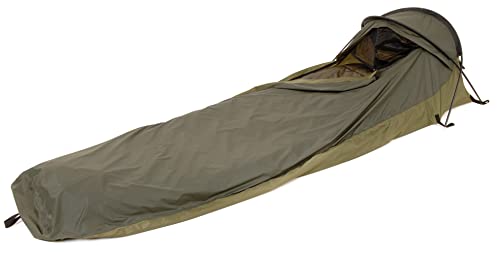
The Snugpak Stratosphere blurs the line between a bivy sack and a small tent. With 20 inches of height and a full-length side zip, it offers significantly more living space than a traditional bivy. This design provides a more comfortable experience, especially in prolonged bad weather where you may be confined to your shelter.
It doesn’t sacrifice weather protection for space. The top fabric features a 5000mm waterproof coating, while the heavier floor boasts an 8000mm rating, standing up to severe conditions. While heavier than ultralight bivies, its pack size remains compact, making it a strong choice for those who want more room without a full tent.
Emergency Sleeping Bag 3 Pack

This three-pack of emergency sleeping bags is a cost-effective solution for stocking multiple kits. Each bag is made from durable Mylar foil, providing a waterproof and windproof barrier that reflects body heat back to the user. Their generous size accommodates most adults comfortably.
These are quintessential emergency items, perfect for stashing in car emergency kits, bug-out bags, or as a backup in your hiking pack. While not designed for breathability or regular camping use, they provide critical survival warmth in unexpected situations like vehicle breakdowns or sudden weather changes. Having three allows you to prepare your family or team.
S.O.L. 90% Reflective Lightweight Emergency Bivvy

This S.O.L. Emergency Bivvy is a leader in minimalist heat retention. Its key feature is reflecting 90% of your radiated body heat, a critical factor in preventing hypothermia in cold, wet conditions. This extreme efficiency comes in an incredibly light package, weighing only 3.5 ounces.
Its versatility is a major benefit. You can use it as a standard sleeping bag-style bivy, or turn it inside out to function as a large emergency blanket or ground sheet. Its compact size, smaller than a soda can, means there’s no excuse not to carry it on any outdoor excursion as a vital safety backup.
Black Diamond Twilight Bivy
The Black Diamond Twilight Bivy is a favorite among climbers and mountaineers for its straightforward, reliable design. It emphasizes durability and weather protection with robust fabrics and construction techniques honed for harsh alpine environments. The focus is on creating a secure, protective shell around your sleeping bag.
It typically features a simple hoop or pole at the head to create a bit of breathing room and reduce fabric contact with your face, a welcome feature for those who feel confined in a basic sack. This bivy is built for those who need dependable shelter in exposed, rocky environments where abrasion resistance and total waterproofness are non-negotiable.
Alps Mountaineering Lynx 1-Person Bivy Sack
The Alps Mountaineering Lynx offers a value-oriented entry into the world of bivy sacks. It provides the fundamental benefits of a bivy—weather protection and condensed packing—at an accessible price point. It’s a great option for beginners or those who need a reliable shelter for occasional use.
Expect features like a waterproof and breathable membrane, seam sealing, and a durable floor fabric. While it may be slightly heavier than premium ultralight models, it represents a solid balance of cost, protection, and packability. It’s a practical choice for backpackers, hunters, or motorcycle campers looking to simplify their sleep system.
Rab Ascent Bivy
The Rab Ascent Bivy is engineered for high-altitude performance and severe conditions. Rab utilizes premium materials like Pertex Shield, a highly breathable and waterproof fabric, to manage the moisture vapor produced by a sleeper in extreme cold. This focus on advanced climate control sets it apart.
Construction details are meticulous, featuring a low-profile pole structure for livable space, reinforced high-wear areas, and optimized zipper placement. This bivy is designed for alpinists and polar travelers who demand the highest level of protection from the elements in a package that still respects the need for low weight and bulk.
Buying Guide: How to Choose the Best Bivy Sack
When I’m looking for a new bivy sack, I think of it as finding a balance between a minimalist shelter and a protective shell for my sleeping bag. The goal is to cut weight from my pack without sacrificing too much comfort or weather protection. The first thing I consider is breathability. A totally waterproof but non-breathable sack will trap all your body moisture inside, leaving you and your sleeping bag damp by morning. Look for fabrics with a high hydrostatic head rating (like 10,000mm+) for waterproofness paired with a decent breathability rating (often measured in grams per square meter per 24 hours).
Next up is the design. Do you want a simple sack, or one with a hoop or pole to keep fabric off your face? I find a small hoop makes a world of difference for claustrophobia and condensation management. Also, check the zipper. A full-length side zipper is much easier to get in and out of than a top-only design. Some of the best bivy sacks even feature a bug net panel over the face area, which is a lifesaver in mosquito season.
Material weight and packed size are huge for me, as I often use a bivy for fast-and-light missions or as an emergency shelter. Silnylon is a common, affordable, and lightweight choice, while Dyneema Composite Fabric (DCF) is the ultralight king, though it comes at a premium price. Don’t forget durability; a floor with a higher denier fabric (like 30D or 70D) will resist punctures better than a super-thin 10D floor.
Finally, think about how you’ll use it. Is this for emergency survival in your car trunk, or for regular alpine climbing trips? My choice for a multi-day trek is different from my “just in case” kit. For most backpackers, a breathable, hooped bivy with good waterproof ratings is the sweet spot. It’s a personal shelter that gets you closer to the outdoors while keeping the elements at bay.
FAQ
What’s the main difference between a bivy sack and a tent?
The biggest difference is space and weight. A bivy is essentially a waterproof and breathable bag for your sleeping bag. It’s extremely low-profile and lightweight, often weighing under two pounds. A tent offers full living space, room to sit up, store gear, and wait out storms. I use a bivy when my priority is minimal weight and footprint, like on technical climbs or solo speed hikes. I choose a tent for base camping, bad weather trips, or when I want more comfort.
How do I deal with condensation in a bivy?
Condensation is the classic bivy challenge. To manage it, I always make sure my sack is highly breathable. I also try to position myself so my head is facing any breeze, and I leave the zipper cracked open if weather allows. Using a bivy with a hoop or pole to keep the fabric off my face and bag helps a lot. In cold weather, I’m careful not to breathe directly into the sack. Sometimes, a little moisture is just part of the deal with such a minimalist shelter.
Can I use a bivy sack with a sleeping pad?
Absolutely, and I highly recommend it. Most bivy sacks have enough interior width to accommodate an inflatable pad. Some even have sleeves or clips to hold a pad in place. Putting your pad inside the bivy protects it from punctures and keeps it from sliding around on slick tent floors or uneven ground. Just check the interior dimensions of the bivy to make sure it fits your pad’s width.
Are bivy sacks good for backpacking?
They can be excellent for specific backpacking styles. If you’re an ultralight hiker trying to cut every ounce, or if you’re traveling through open, rocky terrain where tent sites are scarce, a bivy is a fantastic tool. It’s less ideal for long trips in consistently wet weather, as the lack of space to dry gear or move around can become a hassle. For many fast-and-light trips, I find it to be a perfect shelter solution.
Do I need a tarp with a bivy sack?
You don’t need one, but pairing a small tarp with a bivy is a popular and versatile system. The bivy provides guaranteed waterproof protection for your sleeping bag and a bug barrier. The tarp gives you a covered space to cook, organize your gear, and enter/exit the bivy in the rain without getting everything wet. This combo offers more flexibility than either piece alone and is a great middle ground between a tent and just a bivy.