An elk bugle tube is more than just a hunting call; it’s your voice in the wilderness. The right tube can project your location bugles, cow calls, and chuckles with the volume and tone needed to turn a distant bull’s head. With so many options, from complete systems to specialized tubes, choosing the best one is critical for your success this season.
This roundup examines eight top-performing elk bugle tubes. We’ve considered factors like construction material, sound projection, ease of use, and included features to help you find the perfect call for your skill level and hunting style. Whether you’re a beginner looking for an all-in-one kit or an expert seeking a premium metal tube, there’s an option here to help you close the distance.
Our Top Picks for Elk Bugle Tubes
- Rocky Mountain Hunting Calls C6 Complete Calling System
- Rocky Mountain Hunting Calls 141 Rogue Bugle Tube
- Phelps Game Calls Metal Bugle Tube – Aluminum Elk Bugling System
- Primos Hunting The Original CAN Elk Call Bugle Tube
- Carlton’s Calls Premium Elk Bugle Tube with Double Reed
- Hoochie Mama Game Calls Mega Bugle Elk Call Tube
- Bugling Bull Game Calls The Jack Russell Custom Elk Bugle Tube
- Quaker Boy Screamin’ Elk Bugle Tube Call
Rocky Mountain Hunting Calls C6 Complete Calling System
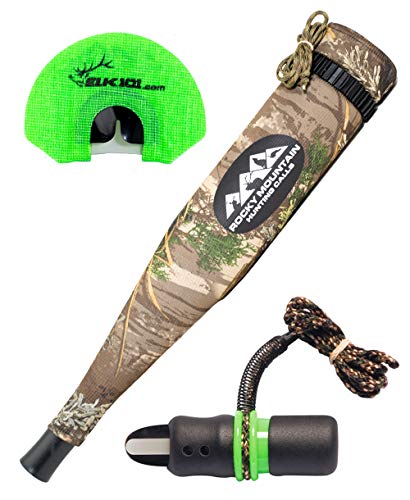
This comprehensive kit is an excellent starting point for any elk hunter. The C6 system bundles three essential calls into one package, covering the major sounds you’ll need in the field. It includes a versatile diaphragm call, a convincing open reed cow call, and a Bully Bull Extreme grunt tube for powerful location bugles.
The included bugle tube is designed for maximum sound projection and easy operation. When combined with the diaphragm and cow call, this system allows you to perform complex sequences, from locating a distant bull to engaging in close-range cow talk. It’s a practical choice that provides great value and versatility.
Rocky Mountain Hunting Calls 141 Rogue Bugle Tube

The Rogue Bugle Tube focuses on simplicity and packability. At 17.5 inches long, it is engineered to fit easily into a backpack or attach to a belt without being cumbersome in steep terrain. Its 1.25-inch mouth opening is designed to work well with a wide range of diaphragm calls for consistent sound.
This tube offers a straightforward, effective design for hunters who want a reliable tool for projecting bugles. It doesn’t have extra bells and whistles, which makes it easy to use and less prone to issues in the field. For a hunter who already has their preferred diaphragm reeds and wants a dependable, lightweight tube, the Rogue is a strong contender.
Phelps Game Calls Metal Bugle Tube

For hunters seeking superior sound quality and durability, this aluminum bugle tube from Phelps Game Calls is a top-tier option. Its one-piece solid aluminum construction projects sound that is notably louder and crisper than many plastic tubes, matching the natural frequency of a bull elk more accurately.
A key feature is the dual mouthpiece system. It comes with a standard flared mouthpiece for traditional diaphragm calling and an interchangeable EZ Bugler mouthpiece, which is excellent for beginners or those who prefer an external reed system. The professional sandblasted finish and neoprene sleeve reduce glare and prevent unwanted handling noise.
Primos Hunting The Original CAN Elk Call Bugle Tube
The Primos CAN is a classic design that has been trusted by elk hunters for years. Its familiar shape and functionality are known for producing realistic, resonant tones that carry well across canyons and through timber. The design is focused on amplifying the sound from your diaphragm call effectively.
This tube is built to be rugged and reliable for harsh hunting conditions. Its straightforward operation makes it a favorite among hunters who appreciate a no-fuss tool that gets the job done. The CAN’s reputation is built on consistent performance, making it a safe and proven choice for many.
Carlton’s Calls Premium Elk Bugle Tube with Double Reed
This product stands out by incorporating a built-in double reed system. This design can make producing realistic cow calls and mews easier without requiring a separate diaphragm call, simplifying the process for many users. The tube then amplifies these sounds for greater distance.
The double reed mechanism offers a different approach to elk vocalizations, potentially providing more consistent tone and less air pressure requirement than a traditional diaphragm. It’s a great option for hunters who struggle with diaphragm calls or want a versatile tube that can handle both bugling and cow calling effectively.
Hoochie Mama Game Calls Mega Bugle Elk Call Tube
The Mega Bugle tube is designed for maximum volume and sound projection. Its larger internal volume and specific shaping are intended to create deeper, more powerful bugles that can reach distant bulls in big country or cut through windy conditions.
This call is for the hunter who wants their location bugles to be heard far and wide. The design prioritizes raw acoustic power, helping to ensure your call isn’t lost in a vast landscape. When you need to make your presence known across a canyon, a tube built for mega sound can be a decisive advantage.
Bugling Bull Game Calls The Jack Russell Custom Elk Bugle Tube
Named after a renowned elk caller, this custom tube is crafted with performance nuances in mind. It often features specific dimensions and flare designs intended to fine-tune the tone and resonance, appealing to callers who are particular about the sound quality of their bugles.
This type of tube is frequently chosen by experienced hunters looking for an edge in realism. The attention to acoustic detail can help create more authentic-selling bugles and cow calls, which can be critical when dealing with pressured or call-shy bulls. It represents a move toward specialized, high-performance gear.
Quaker Boy Screamin’ Elk Bugle Tube Call
Quaker Boy’s Screamin’ Elk tube is built to deliver high-pitched, piercing location bugles that imitate a young, aggressive bull. This sound profile can be highly effective for triggering a response from herd bulls during the rut, as they may come in to challenge a perceived competitor.
The tube’s design facilitates these sharper, more intense tones that carry well. Having a call that can produce this specific type of bugle in your arsenal adds strategic variety to your calling sequence. It allows you to switch up your approach and potentially provoke a reaction when other calls are ignored.
How to Choose the Best Elk Bugle Tube
Picking the right elk bugle tube can feel like a big decision, and it should be. This tool is your voice in the woods, and getting it wrong can mean the difference between a close encounter and just making noise. I’ve spent a lot of time with different tubes, and I’ve learned it’s not just about grabbing the first one you see. You need to think about how it feels, how it sounds, and how it fits into your overall strategy.
First, let’s talk about material and sound. Most tubes are made from either polycarbonate plastic or acrylic. In my experience, polycarbonate tubes are the tough guys. They can take a beating, get dropped on rocks, and survive being crammed in a pack with other gear. They produce a good, clear sound that gets the job done. Acrylic tubes, on the other hand, often have a richer, more resonant tone. Some callers swear the sound is more realistic. The trade-off is that acrylic can be more brittle and might not appreciate rough handling as much. Think about where and how you hunt. If you’re rough on gear, durability might win.
Next up is design. The main styles are straight tubes and flared or bell-end tubes. Straight tubes are simple and classic. They’re easy to control and great for learning the basics of bugling. The flared tubes are designed to project the sound further and can add a different timbre to your calls. I find they can be excellent for open country where you need your sound to carry. Some tubes also come with adjustable reeds or diaphragms built into the mouthpiece, which gives you more control over pitch and rasp. If you’re new, a simpler system is less frustrating. If you’re experienced, those adjustments can be powerful.
Finally, consider the practical stuff. How does it feel in your hands? Is it too bulky? Does it have a lanyard hole so you can keep it handy? I always check how easy it is to clean, because spit and moisture build up fast. Also, think about how it pairs with your diaphragm calls. The best elk bugle tube for you is the one that feels like an extension of your own effort, sounds convincing to a bull, and doesn’t let you down when you need it most. Don’t be afraid to try a few if you can. The sound that feels right to you is often the one you’ll use with the most confidence.
FAQ
What’s the main advantage of using a bugle tube over just a diaphragm call?
The biggest advantage is projection and tone shaping. A diaphragm call by itself is great for close-range cow calls and some bugling, but it’s coming straight from your mouth. A tube acts like a megaphone. It amplifies the sound and lets it travel much farther, which is critical for locating bulls across canyons or in thick timber. It also changes the character of the sound, adding that deep, resonant, and hollow quality that makes a bugle sound truly realistic and carry over distance.
I’m a beginner. What type of bugle tube should I start with?
I recommend starting with a straightforward, durable polycarbonate tube. Look for one with a simple, non-adjustable mouthpiece system. The goal is to reduce variables while you’re learning the difficult skill of bugling itself. A basic tube lets you focus on your diaphragm control and breath without fiddling with reed adjustments. It’s also less of an investment while you figure out if this calling style is for you. Master the fundamentals on a simple tool first.
How do I stop my bugle tube from gurgling or sounding wet?
That gurgle is almost always caused by moisture buildup inside the tube or on your diaphragm. It’s super common. First, make sure you’re not literally spitting into the tube. Your air should be warm and controlled, not wet. Second, give the tube a sharp shake or swing to force the moisture out the large end between calls. I also run a dry cloth through mine at the end of each day. For the diaphragm, sometimes you just need to swap in a fresh, dry one.
Can I use any elk diaphragm call with any bugle tube?
Mostly, yes. The standard setup is to use a separate, open-reed diaphragm call placed in your mouth, and then you position the small end of the bugle tube over your lips. The tube itself doesn’t usually have a reed in it (though some models do). This means you can mix and match your favorite diaphragm brand with any tube you like. This flexibility is great because you can change the pitch and rasp of your call by changing the diaphragm, not the whole tube.
How important is the length of the bugle tube?
Length plays a role in the pitch and resonance. Generally, a longer tube will produce a deeper, more drawn-out sound, which can be great for mature bull bugles. A shorter tube might have a slightly higher pitch and can be a bit quicker to use. For most hunters, a standard mid-length tube (around 22-26 inches) is a perfect all-around choice. It provides a good balance of deep tone and manageability. You’re not trying to replicate a specific note perfectly, but to create the impression of a bull.
How do I practice with a bugle tube without scaring off every animal in the state?
Great question! First, practice the diaphragm control by itself without the tube, just making the basic sounds quietly. When you add the tube, don’t blow full force. Practice with soft, low-volume blows to get the technique down. You can also mute the sound significantly by practicing into a pillow or a couch cushion. This lets you feel the air pressure and work on your cadence without making a huge racket. Finally, use your vehicle! Practicing inside your car with the windows up is surprisingly effective for containing sound while you work on the mechanics.