When tackling vertical ice or navigating high alpine terrain, your helmet is a non-negotiable piece of safety gear. It’s your primary defense against falling ice, rockfall, and the inevitable bumps against the mountain. Choosing the right one means balancing critical protection with comfort, weight, and ventilation for those long, demanding days.
The best helmets for ice climbing and mountaineering are engineered to be lightweight yet durable, with ample ventilation to prevent overheating during strenuous activity. They must offer a secure, adjustable fit to stay put during dynamic movement and provide comprehensive impact protection. This roundup features top models from leading brands, each with unique strengths for different climbers and objectives.
Our Top Picks for Ice Climbing and Mountaineering Helmets
- Black Diamond Mens Vapor Helmet, Envy Green
- Black Diamond Equipment Vision Helmet – Astral Blue
- Petzl Meteor Helmet White Black M/L
- BLACK DIAMOND Half Dome Rock Climbing Helmet
- Petzl Boreo Helmet for Climbing, Caving, Mountaineering
- C.A.M.P. Speed COMP – 54-60 cm – White
- Black Diamond Vapor Climbing Helmet
- Edelrid Shield II Helmet
Black Diamond Mens Vapor Helmet
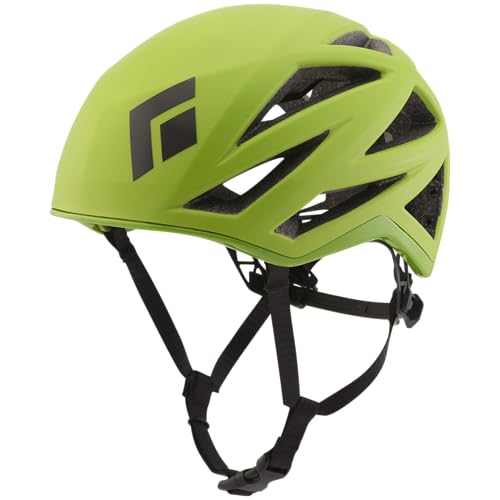
The Black Diamond Vapor is a top-tier choice for climbers who prioritize a low-profile, highly ventilated design. Its co-molded EPS foam and polycarbonate shell construction shaves off weight and bulk without compromising safety. The geometric, open-air design provides exceptional airflow, making it an excellent option for strenuous ice climbs or sunny alpine routes where overheating is a concern.
Comfort and adjustability are key with the Vapor. It features a ratchet adjuster system with molded push buttons, allowing for precise and easy micro-adjustments with one hand, even while wearing gloves. This secure fit ensures the helmet stays in the correct position during all types of movement.
Black Diamond Equipment Vision Helmet

Built for durability, the Black Diamond Vision combines EPP and EPS foams with an ABS shell to create what the brand calls its toughest foam helmet. This hybrid construction is engineered to withstand multiple impacts, which can be a significant advantage in rocky mountaineering terrain or during frequent climbing sessions.
Weighing only 215 grams, the Vision manages to be both exceptionally protective and very lightweight. Its low-profile suspension system minimizes bulk and helps integrate seamlessly with headlamps and goggles. This helmet is a strong candidate for anyone seeking a robust, no-fuss helmet for serious alpine missions.
Petzl Meteor Helmet

The Petzl Meteor is renowned for its lightweight construction and comprehensive protection. Using In-Mold technology, the EPS foam liner is injected inside a thin polycarbonate shell, resulting in a very light yet strong structure. It is designed to protect against impacts from the side, front, and rear, offering full coverage.
Ventilation is a major strength, with large vents that promote constant air circulation to keep you cool during intense activity. The Meteor’s combination of minimal weight, excellent airflow, and reliable protection makes it a favorite among alpinists and ice climbers who count every gram.
BLACK DIAMOND Half Dome Helmet

A classic in the climbing world, the Black Diamond Half Dome is a trusted, all-purpose helmet. Its proven design is suitable for everything from crag climbing to alpine expeditions, making it a versatile and reliable choice. The tough outer shell and impact-absorbing foam liner provide dependable protection in various environments.
This helmet excels in user-friendly adjustability. It features a straightforward low-profile suspension system and an easily adjustable chin strap, allowing you to quickly dial in a secure and comfortable fit. It’s an excellent option for beginners and seasoned climbers who appreciate a simple, effective design.
Petzl Boreo Helmet

The Petzl Boreo is designed with enhanced coverage, sitting lower on the back of the head for better protection against lateral, frontal, and rear impacts. This design offers added security in situations where falls or impacts can come from unpredictable angles, common in mountaineering and ice climbing.
Its hybrid construction uses a thick ABS shell with a dual EPP and EPS foam liner, optimizing durability for long-term use. Adjusting the fit is simple with the lateral webbing and fully adjustable chinstrap. The Boreo is a solid choice for climbers seeking robust protection with extended coverage.
C.A.M.P. Speed COMP Helmet

The C.A.M.P. Speed COMP emphasizes a blend of protection, ventilation, and comfort. Its In-Mold construction fuses an EPS internal structure with a polycarbonate outer shell, creating a lightweight and effective barrier. Side and rear openings are strategically placed to provide excellent ventilation.
Comfort during long days is enhanced by the inner padding made from sweat-proof foam, which helps manage moisture. This attention to detail makes the Speed COMP a comfortable option for sustained climbs and tours where breathability and comfort are as important as protection.
Black Diamond Vapor Climbing Helmet
As a leading model in Black Diamond’s lineup, the Vapor helmet is engineered for high-performance climbing where weight and ventilation are critical. It typically features advanced co-molded construction for a sleek, low-profile fit that doesn’t sacrifice safety. The design prioritizes maximum airflow through an open geometric structure.
This helmet is often chosen by serious alpinists and ice climbers for its premium features, such as a precise ratchet adjustment system. It represents a top-end option for those seeking the best combination of lightweight design, cooling ventilation, and reliable protection on technical terrain.
Edelrid Shield II Helmet
The Edelrid Shield II is a modern helmet known for its robust protection and thoughtful features. It often incorporates a durable shell with impact-absorbing liners designed to meet rigorous safety standards. The fit system is usually fully adjustable for a secure and comfortable feel during long days in the mountains.
Designed for a range of climbing disciplines, it brings reliable performance to ice and alpine climbing. Features often include ample ventilation ports and compatibility with headlamps and goggles, making it a practical and protective choice for mountaineers who need gear that performs in cold, demanding conditions.
Buying Guide: How to Choose the Best Helmet for Ice Climbing and Mountaineering
Picking the right helmet for ice climbing and mountaineering isn’t just about comfort; it’s a critical safety decision. I’ve learned that the wrong helmet can be a major distraction, or worse, fail when you need it most. The market is full of options, but for our specific, cold-weather pursuits, a few key features separate the good from the great. Let’s talk about what actually matters when you’re looking for the best helmet for ice climbing and mountaineering.
First, consider the construction. You’ll mainly find two types: hardshell and hybrid. Hardshell helmets have a tough plastic outer shell with a foam liner inside. They’re durable, handle multiple impacts well, and are often more affordable. Hybrid helmets (or in-mold construction) fuse a thin plastic shell directly to an expanded polystyrene (EPS) foam liner. They’re lighter and often better ventilated, but can be less durable over many seasons of rough treatment. For pure ice climbing where you’re constantly looking up and dealing with falling debris, a hardshell’s toughness is a big plus. For fast-and-light alpine missions where weight and breathability are key, a hybrid might be the better choice.
Next up: ventilation and compatibility. This is huge. A helmet that turns your head into a sweaty sauna is miserable. Look for adjustable vents that you can open on the approach and close at the belay or during a storm. But here’s the catch – those vents need to play nice with your other gear. Your headlamp strap must fit securely around the helmet without blocking vents. Most importantly, the helmet must be designed to work with climbing goggles. A large front brim can prevent you from seeing your feet, while a deep rear profile can stop goggles from sealing to your face. Always test this combo before you buy.
Fit is everything. A helmet that wobbles or pinches is dangerous. Look for a reliable retention system – that dial in the back – that lets you fine-tune the fit. It should feel snug all around without pressure points. Remember, you’ll likely be wearing a beanie or balaclava underneath, so try the helmet on with that mid-layer. Finally, don’t forget about features like integrated clips for a headlamp (a game-changer in the dark), minimal side profile to reduce snagging, and a color that makes you visible. Your helmet is your most important piece of safety gear; choose one that you’ll actually want to wear all day.
FAQ
Can I use my bike helmet or ski helmet for ice climbing?
I wouldn’t recommend it. While they’re all designed for impact protection, climbing helmets are built to different standards. They’re specifically tested for protection from falling rocks and ice from above, not just forward-facing impacts. A climbing helmet also has a different profile to allow you to look straight up without the brim getting in the way, and it’s designed for compatibility with headlamps and often has specific features to secure them. It’s best to use gear designed for the specific hazards of the sport.
How often should I replace my climbing helmet?
Manufacturers typically recommend replacing your helmet every five to ten years, as the materials can degrade over time from exposure to UV light, sweat, and temperature extremes. However, you must replace it immediately after any significant impact, even if there’s no visible damage. The EPS foam liner is designed to crush once to absorb energy; after that, its protection is compromised. If you see any cracks, dents, or if the retention system becomes frayed or broken, it’s time for a new one.
What’s more important: weight or durability?
This depends heavily on your style of climbing. For technical ice climbing where you’re stationary more often and at higher risk of falling ice, durability (often found in hardshell designs) might be the priority. For long alpine routes or mountaineering objectives where you’re moving fast and every gram counts, the weight savings of a lighter hybrid helmet could be worth it. Many modern helmets strike an excellent balance, but you should prioritize the protection needed for your most common type of objective.
Do I need a helmet with a chin strap?
Yes, a secure chin strap is non-negotiable. In a fall or if you’re hit by debris, a helmet without a fastened strap can easily be knocked off your head, offering zero protection. Make sure the strap is easy to adjust with cold, gloved hands and that the buckle sits comfortably under your chin without causing irritation. It should be snug enough that you can’t pull the helmet off your head when it’s fastened.
How should a climbing helmet fit correctly?
It should sit level on your head, covering your forehead without tilting back. The retention system at the back should be tightened so the helmet feels snug but not tight. It shouldn’t shift side-to-side or front-to-back when you move your head aggressively. A good test is to try to push it off from the front and back; your scalp should move with the helmet. Always try it on with any hat or balaclava you plan to wear underneath to ensure a proper fit with your layering system.