Identifying the birds visiting your backyard or spotted on a hike is a rewarding part of connecting with nature. A reliable field guide is an essential tool for any birdwatcher, from curious beginner to seasoned expert. With so many excellent guides available, each with its own strengths, choosing the right one can be as nuanced as the plumage on a warbler. This roundup highlights nine of the best bird field guides for North America, designed to help you find the perfect companion for your adventures.
Our Top Picks for North American Bird Guides
- Smithsonian Handbooks: Birds of North America — Eastern Region
- Peterson Field Guide To Birds Of North America, Second Edition
- National Geographic Field Guide to the Birds of North America, 7th Edition
- National Geographic Kids Bird Guide of North America, Second Edition
- AMNH Birds of North America (DK North American Bird Guides)
- The Sibley Field Guide to Birds of Eastern North America: Second Edition
- The Stokes Field Guide to the Birds of North America
- The Crossley ID Guide: Eastern Birds
- National Geographic Field Guide to the Birds of North America, 7th Edition
Smithsonian Handbooks: Birds of North America — Eastern Region

This guide is an excellent choice for those focused on birding east of the Rockies. Its handbook format is compact and user-friendly, making it simple to carry on any outing. The visual layout is clear, with photographs and key details presented on a single page for quick reference.
Organized by bird family, it helps you compare similar species side-by-side. The entries include high-quality photographs that show different plumages and angles, along with concise notes on habitat, voice, and range. For beginners or casual birders in the Eastern region, this guide offers a straightforward and visually appealing introduction.
Peterson Field Guide To Birds Of North America, Second Edition
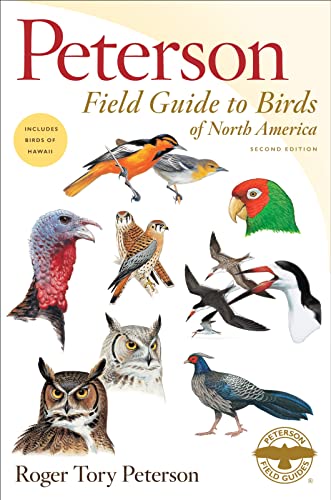
A classic that has introduced generations to birding, the Peterson guide is renowned for its unique identification system. Roger Tory Peterson’s illustrations use arrows to pinpoint the key field marks—the distinctive visual characteristics that separate one species from another. This method trains your eye to know what to look for.
This second edition consolidates eastern and western birds into one comprehensive volume. The paintings are both beautiful and scientifically accurate, showing birds in typical poses. With its focus on practical, in-the-field identification techniques, this guide remains a definitive resource for birders of all skill levels.
National Geographic Field Guide to the Birds of North America, 7th Edition

Frequently updated, this guide is known for its taxonomic accuracy and comprehensive coverage. The 7th edition includes the latest species and reflects current scientific understanding, making it a favorite among serious birders. Its layout is clean, with detailed range maps placed directly opposite the illustrations for each species.
The guide features a mix of commissioned artwork and photographs, providing multiple visual references. It also includes helpful introductory chapters on identification and birding basics. For anyone who wants a single, authoritative, and up-to-date guide for the entire continent, this is a top contender.
National Geographic Kids Bird Guide of North America, Second Edition

Specifically designed for younger readers, this guide makes birding accessible and fun. It focuses on 100 of the most common and visually striking birds across the continent, preventing beginners from feeling overwhelmed. The vibrant photography and engaging facts capture a child’s attention immediately.
The book is organized by habitat, which helps kids understand where to look for specific birds. It includes interactive elements like a “how to watch birds” section and tips for taking notes. This is the perfect first guide to spark a lifelong interest in nature and wildlife observation.
AMNH Birds of North America (DK North American Bird Guides)

In collaboration with the American Museum of Natural History, DK brings its signature visual style to the world of bird guides. This book is a photographic encyclopedia, filled with crisp, detailed images that fill each page. It covers over 930 species, making it exceptionally comprehensive.
The guide uses annotated photographs to highlight key identification features, similar to DK’s popular reference books. It also includes sonograms for bird songs and detailed seasonal maps. If you learn best through photography and clear visual layouts, this guide offers an immersive and informative experience.
The Sibley Field Guide to Birds of Eastern North America: Second Edition

David Sibley’s guides are celebrated for their meticulous and comprehensive illustrations. This portable eastern version captures the essence of his larger work, featuring over 810 species with detailed artwork showing birds in various plumages, flight patterns, and poses. The attention to subtle differences is exceptional.
This field guide is organized for quick comparison, with similar species grouped together. The text is concise but packed with relevant information on behavior, voice, and habitat. For birders who appreciate artistic detail and want a guide that covers nuances, Sibley’s is often considered the gold standard.
The Stokes Field Guide to the Birds of North America

This guide stands out for its extensive use of large, beautiful photographs. Donald and Lillian Stokes present multiple photos for most species, capturing different angles, behaviors, and seasonal variations. This photographic approach can be very helpful for matching a bird you see to a picture in the book.
The text is written in a clear, accessible style and includes useful tips on identification and behavior. The range maps are detailed and color-coded by season. If you prefer learning from photographs over illustrations, the Stokes guide provides a thorough and visually rich reference.
The Crossley ID Guide: Eastern Birds
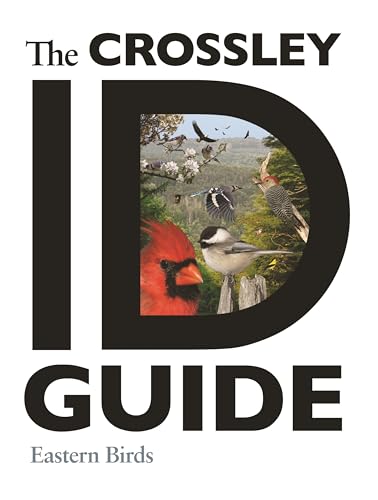
Richard Crossley’s guide uses a revolutionary approach to bird identification. Instead of isolated portraits, it presents lifelike composite scenes. Each plate shows a species in its typical habitat, at various distances and angles, mimicking the real-world challenge of spotting a bird in the field.
This method helps you learn to identify birds based on their overall “giss” (general impression, size, and shape) and context. While unconventional, it is an effective training tool for improving your observational skills. It’s an excellent secondary guide to use alongside a more traditional reference.
National Geographic Field Guide to the Birds of North America, 7th Edition
This listing provides another opportunity to find the highly-regarded National Geographic 7th Edition guide. As noted, its strength lies in being meticulously updated and scientifically current, ensuring you have the latest information on species classifications and ranges.
Having a direct link to search for this specific edition is useful for shoppers who know this is the guide they want. It allows you to compare seller options and ensure you are getting the correct, most recent version of this authoritative continental guide.
How to Choose the Best Bird Field Guides for North America
Picking your first, or your next, bird field guide can feel overwhelming with so many options on the shelf. I remember staring at the rows of books, wondering which one was the “right” one. The truth is, the best guide is the one you’ll actually use and enjoy. After years of birding, I’ve learned it comes down to a few key factors that match the book to your personal style.
First, consider the presentation. There are two main camps: photographic guides and illustrated guides. Photographic guides show you real photos of birds, which can be great for immediate recognition. However, photos can be inconsistent with lighting, angle, and posture. Illustrated guides, on the other hand, use paintings that often group similar species in comparable poses and highlight the most important field marks. Many experienced birders, myself included, lean towards illustrated guides for their clarity and consistency in showing key identifiers.
Next, think about the organization. Is the book arranged by taxonomic order (the scientific family tree) or by color? Taxonomic order is the standard for serious birding as it groups related birds together, helping you learn bird families. Color-based guides can be tempting for beginners, but they can lead to confusion as male, female, and juvenile plumages vary wildly. I always recommend starting with a taxonomically ordered guide; it’s a better long-term investment in your skills.
Portability is huge. A massive, comprehensive tome is fantastic for your coffee table, but it’s not coming with you on a muddy trail. A truly useful field guide is one you can easily carry. Check the book’s dimensions and weight. Many of the best bird field guides for North America now come in compact, flexible-bound editions that can withstand being stuffed in a backpack. Finally, look at the information layout. When you open to a page, is it cluttered or clean? Are the range maps directly next to the bird illustration? Good maps are crucial, and having them adjacent to the picture saves you from flipping pages. The best guide for you feels intuitive and puts the information you need right where you expect it.
Frequently Asked Questions
What’s the main difference between the Sibley and National Geographic guides?
This is the classic debate! Both are top-tier, illustrated guides. David Sibley’s guides are known for their incredibly detailed and precise artwork, often showing multiple angles and plumages on a single page. The notes are concise and packed with expert insight. The National Geographic guide uses several artists, offering a slightly different artistic style, and often includes more photographs of rare species in the back. I find Sibley’s layout a bit more academic and exhaustive, while National Geographic can feel a bit more accessible to some. You can’t go wrong with either; it often comes down to which artwork you prefer.
Are apps replacing physical bird field guides?
Apps like Merlin and eBird are incredible tools, especially for sound identification and location-based checklists. I use them constantly. However, I don’t think they’ve fully replaced physical books. A book doesn’t need batteries or a signal, it’s easier to browse and compare similar species side-by-side, and many people (including me) find we retain information better from a physical page. Think of apps as fantastic complementary tools. The best bird field guides for North America in book form offer a curated, reliable experience that many birders still consider essential.
Should a beginner start with a guide for just their region?
This is a great strategy. Starting with a guide that covers only birds in your eastern or western half of the continent, or even just your state, is far less intimidating. You won’t have to sift through hundreds of species you’ll never see locally. It simplifies the learning process. Once you get comfortable with your local birds, you can then graduate to a full North American guide for trips and to understand broader bird families. Many of the major guides offer excellent regional editions.
How important are the range maps?
Extremely important. A good range map instantly tells you if a bird is even possible in your location and at the current time of year. It shows breeding, wintering, and year-round ranges. A guide with small, unclear, or separate maps is frustrating to use. One of my top criteria is having clear, colorful maps directly on the same page as the bird’s illustration. It’s the fastest way to narrow down your possibilities when you see something unfamiliar.
What if I prefer real photographs over paintings?
That’s a perfectly valid preference! The Stokes Field Guide to the Birds of North America is a standout photographic option. Newer photo guides are much better at using consistent, cropped images that highlight field marks. The main challenge is that a single photo can’t always show all the key features an illustration can composite. But if photos click with your brain better, go for it. The best guide is the one you connect with and will use regularly.