Choosing the right duck call is a critical decision for any waterfowl hunter. It’s the primary tool for communication, capable of turning a slow morning into a limit-filling experience. With countless options on the market, finding a call that matches your skill level and hunting conditions can be daunting. This roundup simplifies your search by highlighting nine of the best duck calls available, each with unique strengths to help you sound more convincing in the marsh.
From legendary classics trusted for decades to innovative designs featuring modern no-stick technology, there’s a call here for every hunter. Whether you’re a beginner looking for an easy-to-blow option or a seasoned pro seeking maximum realism and volume, these selections represent top-tier performance. The right call in your hands builds confidence and increases your chances of success when the birds are working.
Our Top Picks for Duck Calls
- Duck Commander Ole Raspy Duck Call
- Primos Hunting 805 Duck Call
- Buck Gardner Double Nasty & Wood Duck Combo
- Duck Commander Triple Threat Duck Call
- Buck Gardner Double Nasty Duck Call
- Haydel’s DR-85 Mallard Duck Call
- Zink Calls Power Hen 2 Duck Call
- Faulk’s Game Calls Champion Duck Call
- RNT Daisy Cutter Short Barrel Duck Call
Duck Commander Ole Raspy Duck Call

Part of the iconic Classic Series, the Ole Raspy call is built with the original style and sound that made Duck Commander famous. Trusted by hunters for over 30 years, its durable high-impact plastic construction is made to handle the rigors of tough outdoor conditions season after season. This is a call with a proven track record for reliability.
It features the patented Duck Commander double-reed, friction-fit system for consistent performance. This design delivers authentic mallard hen sounds with the low, raspy tones that are highly effective for attracting ducks. Its straightforward operation and classic sound make it a solid choice for hunters who value time-tested performance.
Primos Hunting 805 Duck Call

The Primos 805 is renowned for its user-friendly design, making it an excellent entry point for new hunters. It requires very little air pressure to blow, which helps beginners produce consistent sounds without fatigue. Its single-reed design simplifies the learning curve, allowing new callers to focus on technique.
A major advantage of this call is its ability to perform even when wet, a common occurrence in waterfowl hunting. This reliability in damp conditions ensures you can keep calling effectively throughout your hunt. For a straightforward, no-fuss mallard call that works, the Primos 805 is a perennial favorite.
Buck Gardner Double Nasty & Wood Duck Combo

This Timber Pack combo kit offers great value by providing two essential calls in one package. It includes the popular Double Nasty mallard call and a dedicated Wood Duck call. Having both calls on your lanyard prepares you for a wider variety of hunting scenarios and species.
The Double Nasty mallard call features Buck Gardner’s Spit-Tech toneboard, which helps prevent reed sticking when the call gets wet. The included Wood Duck call is simple to operate and effective throughout the season. This set is a smart choice for hunters looking to build a versatile calling system without a large investment.
Duck Commander Triple Threat Duck Call
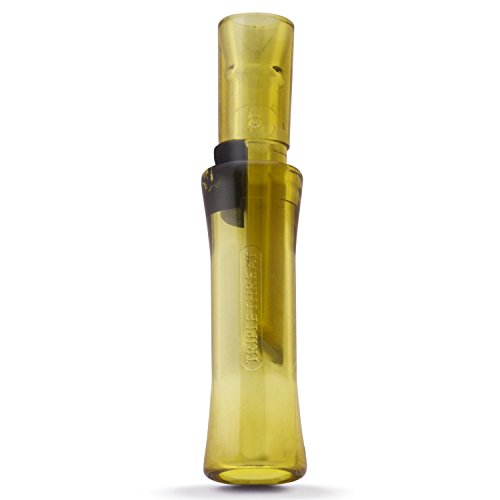
Constructed from durable polycarbonate, the Triple Threat is built to withstand harsh outdoor conditions. This weather-resistant construction ensures consistent performance, making it a reliable tool you can count on in any duck hunting situation. It’s designed for hunters who need gear that lasts.
Its triple-reed design is key to producing lifelike, nasally raspy tones that closely imitate a mallard hen. This realism can be very effective for attracting ducks, especially those that have heard many calls. The friction-fit system makes it accessible for various skill levels, from beginners to seasoned hunters seeking a specific tone.
Buck Gardner Double Nasty Duck Call

This is the standalone version of the popular call from the combo pack. The Double Nasty is a loud, raspy J-frame double reed mallard call designed to cut through wind and reach distant birds. Its volume and distinct tone make it effective for open-water or field hunting situations.
Like its counterpart, it utilizes the Spit-Tech toneboard design to minimize reed sticking when moisture is present. The polycarbonate body is tough, and the gunmetal band adds a finished look. For hunters who want a powerful, reliable double-reed call that performs well in wet conditions, this is a strong contender.
Haydel’s DR-85 Mallard Duck Call

Nicknamed “The Deceiver,” the Haydel’s DR-85 has earned a legendary reputation as a proven “meat call.” It features a fully adjustable floating wedge, allowing you to personally tune the call to match your preferred air pressure and sound profile. This customization is a significant advantage.
Despite its use by professional callers, it is known for being very easy to blow, making it suitable for beginners as well. Each call is hand-tuned, and it maintains performance even when wet. Its blend of customizability, ease of use, and professional-grade results explains its enduring popularity.
Zink Calls Power Hen 2 Duck Call
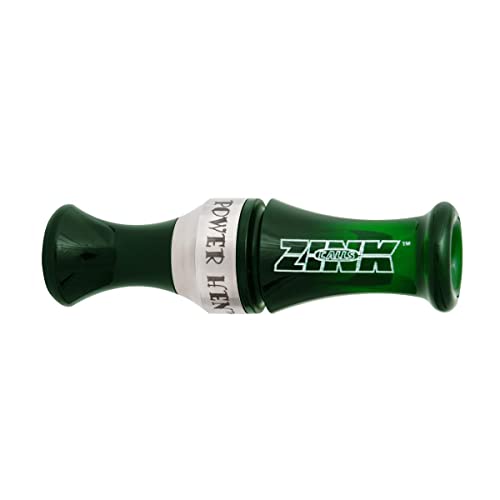
Zink Calls employs precision machining and premium materials to create high-performance waterfowl calls. The Power Hen-2 (PH-2) is a double-reed call designed to deliver the smooth mallard sounds hunters want, but with greater volume and an improved bottom-end feed chuckle. This adds realism to your calling sequence.
Its standout feature is the innovative Z-cut, no-stick tone channel. This design allows for a wide range of tones while virtually eliminating reed lock, a common frustration when a reed sticks to the tone board. For hunters seeking a technologically advanced, reliable call with excellent tonal range, the PH-2 is a top choice.
Faulk’s Game Calls Champion Duck Call

The Faulk’s Champion stands out with its construction, being crafted from walnut and other rare woods. This gives it a classic, aesthetic appeal and can influence the warmth and tone of the call compared to synthetic materials. It’s a call that feels as good as it sounds.
It is known for being excellent for mallards and large ducks, and users report it is easy to blow. The wooden construction offers a traditional calling experience that many hunters appreciate. If you prefer the look, feel, and acoustic properties of a well-made wooden call, the Faulk’s Champion is a timeless option.
RNT Daisy Cutter Short Barrel Duck Call
The RNT Daisy Cutter is a highly regarded call in the waterfowl community, known for its distinctive short barrel design. This design contributes to its unique sound profile, often described as having a crisp, clear, and highly realistic tone that can be very effective on call-shy birds.
While specific features for this model are not listed in the provided data, RNT calls are generally known for their quality craftsmanship and performance-driven design. They are frequently used by serious hunters and competitive callers. Investigating this call is recommended for experienced hunters looking for a premium, performance-oriented tool with a specific sound characteristic.
How to Choose the Best Duck Calls for Waterfowl Hunting
Picking the right duck call can feel overwhelming when you’re staring at a wall of them at the store. I’ve been there, and I’ve learned that it’s not about finding the “best” one overall, but the best one for you and your situation. The first and biggest fork in the road is single reed versus double reed. If you’re newer to calling, start with a double-reed call. They are much more forgiving, easier to get a consistent sound from, and won’t “break” as easily when you’re still working on your air control. Single-reed calls offer more volume and tonal range, but they require more precise breath control and practice to master.
Next, think about the material. Most calls are made from acrylic or polycarbonate (a type of plastic) or wood. Acrylic calls are durable, loud, and produce a sharp, crisp sound that cuts through wind—great for open water or field hunting. Wooden calls, often made from exotic woods like cocobolo, offer a warmer, mellower, and more traditional sound. They can be fantastic for close-in work on timber or marshes. Polycarbonate is a tough, affordable option that’s great for beginners or as a backup call that can handle getting banged around in your layout blind.
Don’t forget about the ergonomics and maintenance. The call should feel comfortable in your hand and against your lips. Can you reach the tone board easily with your fingers? Also, check how easy it is to take apart for cleaning. After a day in the marsh, moisture and debris will get inside. A call that easily unscrews so you can wipe it down will last you many more seasons. Finally, listen to the sound. If you can, try the call yourself or listen to sound clips from reputable hunters. You want a call that sounds realistic to the ducks you’re hunting, not just impressive to other hunters. A good, basic hail call and feed chuckle are more effective than a million bad notes.
FAQ
What is the most versatile type of duck call for a beginner?
For someone just starting out, I always recommend a double-reed call in a polycarbonate or acrylic material. This combination is the most forgiving. The double reed makes it easier to produce consistent quacks and basic sounds without the reed sticking or cutting out, which is common with single reeds when your technique is still developing. The durable material means it can survive drops in the blind and requires less fussy care than some wood calls. It’s the perfect tool to learn the fundamentals before moving to more advanced options.
How often should I practice with my duck call?
Regular, short practice sessions are far better than one long, frustrating marathon. I try to spend 10-15 minutes a day, even in the off-season. Keep your call in your truck or by your desk. The goal isn’t to be loud, but to be consistent and build muscle memory for your air pressure and tongue placement. Focus on mastering a clean, single quack and a basic five-note greeting call before you try to run a complex feed chuckle. Listening to real ducks, whether in videos or at a local pond, is just as important as practicing the mechanics.
Do expensive duck calls work better than cheap ones?
Not necessarily. A higher price often gets you better materials (like solid acrylic or exotic wood), more hand-tuning, and potentially a wider range of sound. However, a skilled caller can make an inexpensive call sound great, while a beginner will struggle with a top-end, finicky single reed. The “best” call is the one you can use effectively. Invest in a well-made, mid-range call from a reputable brand that fits your skill level. Your time and practice are a much more valuable investment than just spending more money.
How do I clean and maintain my duck call?
Proper maintenance is key to keeping your call sounding right. After every hunt, I take mine apart. For most calls, this means unscrewing the barrel from the insert. I wipe down all the components with a dry cloth to remove moisture and any debris. If it’s really dirty, a gentle wash with mild soap and water works, but you must let every part dry completely before reassembling. Never store a call put together while it’s wet, as this can warp reeds and wood. For wooden calls, an occasional light coat of bore oil on the inside can help prevent cracking.
What’s one common mistake new callers make?
The most common mistake is overblowing and overcalling. Using too much air force creates a sharp, unnatural sound. It takes far less air than most people think—think of pushing air from your diaphragm, not blowing from your cheeks. Secondly, ducks don’t call non-stop. In the blind, less is often more. Making a few confident, well-timed calls is infinitely more effective than constant, mediocre noise that can actually spook birds. Learning when to call and when to be quiet is as critical as learning how.