When the temperature drops and the wind picks up, a standard tent simply won’t cut it. For winter camping, ice fishing, or high-altitude adventures, you need a shelter specifically engineered to retain heat and block the elements. An insulated tent is your key to comfort and safety in these harsh conditions, turning a potentially grueling experience into a memorable outing.
This roundup focuses on the best tents and systems designed for cold weather. We’ve selected options ranging from specialized hot tents with stove jacks to innovative insulated liners and rugged four-season expedition shelters. Whether you’re a solo backpacker or have the whole family in tow, there’s a solution here to keep you warm and protected.
Our Top Picks for Cold Weather Insulated Tents
- Crua Combo Temperature Regulating Hot Tent
- Crua Core 6 Person Tent with Inflatable Beams
- Crua Culla Insulated Camping Blankets
- Eureka! Summer Pass 2 Person Backpacking Tent
- THE NORTH FACE Stormbreak 3 Camping Tent
- Zoring Hot Tent with Stove Jack
- Coleman WeatherMaster 6-Person Screened Tent
- Marmot Thor 3-Person 4-Season Tent
Crua Combo Temperature Regulating Hot Tent

This innovative system is more than just a tent; it’s a complete climate-controlled shelter. The Crua Combo pairs a durable, waterproof outer tent with a fully insulated inner tent called the Culla. This inner layer is designed to regulate temperature while also blocking light and noise, creating a remarkably comfortable micro-environment inside.
The outer shell is built with high-quality, breathable polyester and boasts a substantial HH5000mm water-resistant rating. The entire combo is designed for two people, offering a total of 48 square feet in the outer area and a cozy 29.9 square feet within the insulated inner tent. This modular approach provides excellent flexibility for different weather conditions.
Crua Core 6 Person Tent with Inflatable Beams
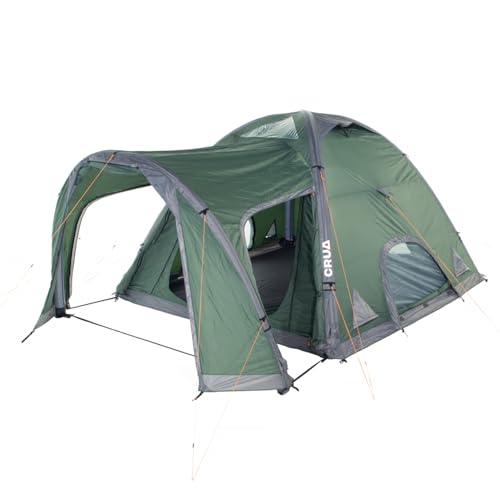
For groups and families needing a spacious cold-weather base camp, the Crua Core is a strong contender. Its key feature is an inflatable air frame beam system, which allows for a surprisingly quick and easy setup even in challenging conditions. The tent offers a covered porch area for gear storage and a roomy interior that can comfortably sleep up to six.
Durability and weather protection are central to its design. It is constructed from a breathable, fire-resistant polyester fabric with an outer layer rated at HH5000mm for water resistance. This combination of a robust, weather-resistant build and the convenience of inflation technology makes it a practical choice for extended outdoor stays in cooler seasons.
Crua Culla Insulated Camping Blankets

This product offers a unique and versatile approach to campsite warmth. The Crua Culla Insulated Blanket uses graphene-infused insulation through CruaBreathe Technology to provide significant warmth without excessive weight. It’s a perfect solution for adding an extra layer of insulation inside any tent, or for use as a standalone quilt.
Its design emphasizes portability and adaptability. Made from durable recycled Ripstop material, it packs down small for backpacking. You can use it flat as a mattress duvet, snap two together to create a sleeping bag, or simply use it as a warm blanket for picnics or sporting events. It’s an excellent multi-purpose piece of gear for cold-weather outings.
Eureka! Summer Pass 2 Person Backpacking Tent

The Eureka! Summer Pass 2 is a lightweight, three-season shelter ideal for backpackers who encounter chilly nights. Its strength lies in its advanced ventilation system, which is crucial for managing condensation and maintaining a comfortable temperature. The Air Exchange System with high and low venting is fully adjustable to suit various weather conditions.
It features a 100% no-see-um mesh canopy that provides excellent airflow and stargazing opportunities while keeping insects out. Though not a dedicated winter tent, its tough construction and superior ventilation management make it a reliable choice for spring, fall, and summer trips where nighttime temperatures can drop significantly.
THE NORTH FACE Stormbreak 3 Camping Tent
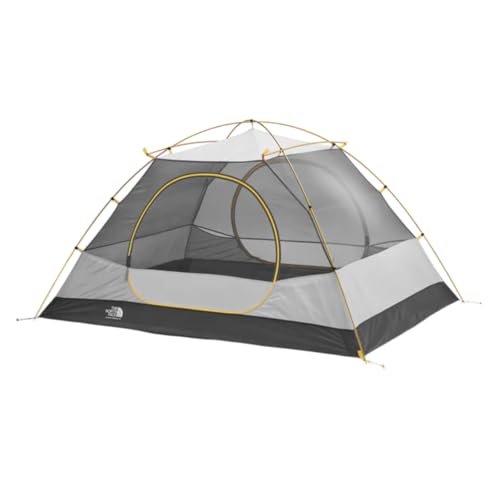
The North Face Stormbreak 3 is a user-friendly, three-person tent built for comfort and practicality in variable conditions. It is designed with a focus on breathability and livability, featuring high-low ventilation openings to promote optimal airflow and reduce interior moisture. This helps regulate the climate inside during cool, damp weather.
Its practical design includes large doors for easy access and twin-zip vestibules that provide protected storage for gear outside the sleeping area. The mesh stuff pockets conveniently hold the doors open, and the water-repellent finish adds a layer of protection against the elements, making it a solid all-around shelter for cooler three-season camping.
Zoring Hot Tent with Stove Jack
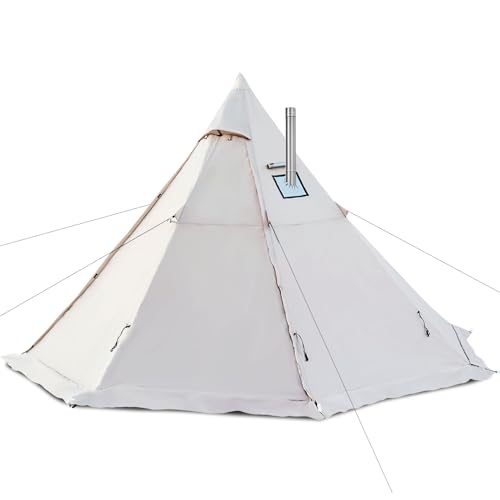
For serious winter camping, the Zoring Hot Tent is a dedicated four-season shelter. Its standout feature is an integrated stove jack, allowing you to safely use a wood-burning stove inside. This capability can transform the tent into a warm, dry haven even in freezing temperatures and is ideal for melting snow or cooking.
Constructed from premium 210T polyester with a PU5000 coating, this tipi-style tent is highly waterproof, wind-resistant, and durable. It offers a generous 8.2-foot peak height and a large footprint, comfortably housing 3-4 people. The included snow skirt helps seal out drafts and drifting snow, solidifying its position as a true winter expedition tent.
Coleman WeatherMaster 6-Person Screened Tent
Coleman’s WeatherMaster with Dark Room Technology addresses cold-weather comfort in a unique way. The specialized fabric of the Dark Room Technology not only blocks 90% of sunlight for better sleeping but also provides improved insulation compared to standard tent materials. This helps keep interior temperatures more stable, retaining warmth at night.
This is a large, family-oriented tent that includes a separate screened room, offering a versatile space protected from insects. Its weather-resistant design and focus on temperature moderation through its fabric technology make it a suitable car-camping option for those seeking more comfort during cooler spring, fall, or even mild winter trips.
Marmot Thor 3-Person 4-Season Tent
The Marmot Thor is a professional-grade, four-season expedition tent built to withstand the most severe mountain conditions. It is engineered with a strong, hubbed pole system and a robust, weatherproof canopy to resist heavy snow loads and powerful winds. Its primary purpose is to provide a secure and reliable shelter in extreme cold.
Ventilation is carefully managed with multiple vents to reduce condensation while maintaining thermal efficiency. The design prioritizes strength and weather protection above all, featuring high-quality materials and construction details like reinforced stress points. This tent is for mountaineers, ice climbers, and winter campers who need guaranteed performance in harsh environments.
Buying Guide: How to Choose the Best Insulated Tent for Cold Weather
When you’re shopping for the best insulated tent for cold weather, it’s easy to get lost in specs and marketing terms. I’ve learned from experience that true winter camping comfort comes down to a few key factors that go beyond just a thick-looking fabric. First, let’s talk about insulation itself. Unlike your sleeping bag, a tent doesn’t have “fill power.” Instead, look for double-wall construction with a significant air gap between the inner tent and the rainfly. This dead air space is your primary insulator. Some models even feature a reflective heat layer on the ceiling to bounce your body heat back at you, which is a game-changer on clear, frigid nights.
Next, consider the season rating. A true four-season or expedition tent is non-negotiable. These are built with a robust pole structure, often geodesic or dome-shaped, to handle heavy snow loads and strong winds without collapsing. The materials are also tougher, with a higher denier count on the floor and fly. I always check the hydrostatic head rating on the rainfly; for serious snow and sleet, you want at least 3000mm. Ventilation is a critical but often overlooked feature. While you want to trap heat, you must manage condensation. Look for adjustable vents high up, ideally with mesh covers to keep snow out while letting moist air escape. A tent that turns into a sauna from your breath is a miserable and potentially dangerous place.
Finally, think about the practical details for living in the cold. A full-coverage, tub-style floor that extends several inches up the walls is essential for keeping out ground moisture and wind. The vestibule size matters hugely for storing bulky, frozen gear like boots and packs outside your sleeping area. I also prefer tents with color-coded poles and clips for easier setup with cold, clumsy fingers. Remember, the best insulated tent for cold weather is one that balances warmth, strength, and livability, making your winter adventure safe and memorable for all the right reasons.
Frequently Asked Questions
How much warmer is an insulated tent compared to a regular one?
It’s not about adding degrees like a heater, but about managing the environment. A proper cold-weather tent drastically reduces wind chill and drafts inside your shelter. By trapping a layer of still air and reducing condensation, it allows your sleeping system (bag and pad) to work at its maximum efficiency. You stay warmer because you’re protected from the elements that steal heat, not because the tent is generating warmth. The difference in perceived comfort and frost-free mornings is massive.
Can I use a heater inside my insulated winter tent?
You can, but you must be extremely cautious. Only use heaters specifically designed for indoor tent use, like small, portable propane heaters with low-oxygen sensors and automatic shut-offs. Never leave a heater unattended, and always ensure there is adequate ventilation to prevent carbon monoxide buildup. The tent fabric, even if flame-retardant, can still be a serious fire hazard. I often find that a good sleeping bag and pad eliminate the need for a heater altogether.
Is a single-wall or double-wall tent better for insulation?
For true insulation and managing moisture, a double-wall tent is almost always superior for winter camping. The air gap between the inner tent body and the rainfly acts as the main insulating barrier. Single-wall tents, often made of waterproof-breathable fabric, are lighter and great for fast alpine ascents, but they struggle with condensation in cold weather. That moisture can freeze on the inside, making for a chilly, damp experience. For base camping or most winter excursions, the double-wall design is the reliable choice.
What features are most important for blocking wind?
A strong, stable pole structure (like a geodesic design with multiple crossing points) is the foundation. After that, look for a rainfly that reaches close to the ground and has minimal gaps. Guylines and robust stakes are not optional; they allow you to securely anchor and tension the fly into a taut, wind-shedding shape. A low profile and aerodynamic shape also help the tent withstand gusts without becoming a kite.
How do I prevent condensation in a sealed-up winter tent?
It’s a constant balance. You must use those roof vents, even in a snowstorm. Crack them just enough to allow moist air from your breath and body to escape. Cooking or melting snow inside generates huge amounts of moisture, so do that in the vestibule if possible. Wiping down the inner walls with a small absorbent towel in the morning can also help. A tent with good airflow design will have vents positioned to create a cross-flow without creating a direct cold draft on you.